Results for 'pānui'
pānui - to read; to publish, advertise; notice, advertisement
Pānui. 1. v.t. Read or speak aloud.
2. Publish, proclaim.
3. Advertise publicly.
4. n. Public notice.
panuitanga, n. Announcement, notice.
Note.—This is said, with some probability, to be a modern word invented by the Maoris in connection with their instruction by the early missionaries.
Williams Dictionary
E pānui ana te tama i te pukapuka.
The boy is reading the book.
Simple sentences: present tense - e... ana
I mahi au i te māra, ā, āe, i pānui pukapuka, ā, i tunu hoki au i te kai mā te whānau.
I worked in the garden, yeah, I read books and I cooked for the family.
Simple sentences: past tense - i
I pānui a Toa i tērā pukapuka.
Toa read that book.
Simple sentences: past tense - i
I te pānui au.
I was reading.
Simple sentences: past tense - i te
Kua pānui koe i te puka wetereo?
Have you read the grammar guide?
Simple sentences: past completed tense - kua
Me pānui te kaiako i te reta.
The teacher should read the letter.
Simple sentences: you should - me
Kei te pānui te tama i te pukapuka.
The boy is reading the book.
Sentences with i - i
Pānui ai au i ia pō, i ia pō.
I always read each and every night.
Habitual action - ai
Tirotiro ai ia i ngā pānui mō ngā matenga i ia rā, i ia rā.
She checks out the death notices religiously every day.
Habitual action - ai
Nāku te pukapuka hītori i pānui i te Pātaka Kōrero.
I read the history book in the library.
Past agent emphatic - nā - agent emphatic
Nā te rangatira taua īmēra i pānui.
It was the boss who read that (aforementioned) email.
Past agent emphatic - nā - agent emphatic
He pānui tēnei māu.
This notice is for you.
Unrealised possession - mā, māku
Mā rāua ngā pukapuka e pānui.
They (two) will read the books.
Future agent emphatic - māku, mā... e..., mā... hei
Māku e pānui tētahi kōrero ki a koe.
Shall I read you a story?
Future agent emphatic - māku, mā... e..., mā... hei
Mā koutou ngā pānui e tono atu ki ngā kaimahi.
You (3/+) will send the notices out to the workers.
Future agent emphatic - māku, mā... e..., mā... hei
Kāore anō tēnei pānui kia pānuitia e au.
I have not yet read this notice.
Passive sentences - tikina...
Kua tonoa kētia atu ngā pānui e mātou.
The notices have already been sent out by us (3/+ exclusive).
Passive sentences - tikina...
Ki tā te pānui, hei te pō nei te kōnohete.
According to the flyer, the concert's tonight.
According to... - E ai ki.../E ai ki tā... /Ki tā
Kei te pānui puka te kuia.
The old lady is reading a book.
Gerund phrases (fence building, bread baking, dishes washing...) - tunu parāoa...
He aha te pukapuka pai hei pānui mā ngā tamariki?
What is a good book for the children to read?
For the purpose of - hei
He aha te pukapuka pai hei pānui mā ngā tamariki hei konei hei āpōpō?
What is a good book for the children to read here tomorrow?
For the purpose of - hei
Hei aha te rīpene whakapiri? Hei whakamau atu i ngā pānui whakaahua ki te pakitara.
What's that adhesive tape for? For attaching the posters to the wall.
For the purpose of - hei
Kāore au i te pānui i te pukapuka.
I am not reading the book.
Negations of the past and present tense (I was not working, I am not working) - Kāore... i te...
Kāore a Rua i te pānui i te pukapuka.
Rua isn't reading the book.
Negations of the past and present tense (I was not working, I am not working) - Kāore... i te...
Kāore ia i pānui i tāna mahi-ā-kāinga.
He didn't read his homework.
Negations of the past tense - Kāore... i...
Kāore te tama e pānui ana i te pukapuka.
The boy is not reading the book.
Negations of e... ana... sentences - kāore... e... ana...
He aha tētehi pukapuka reo Māori kua pānui koe i tēnei wiki?
What Māori language book have you read this week?
What? - He aha?
Ehara mā rāua ngā pukapuka e pānui.
They (two) won’t read the books.
Negating the future agent emphatic - ehara mā..
He pai ki a koe te pānui pukapuka?
Do you like to read books?
I like... - He pai ki a au...
Homai te niupepa kia pānui ai au i ngā kōrero mōna.
Pass me the newspaper so that I can read the stories about her.
In order to - kia... ai
Whakapāngia mai te pānui ki tēnei taha o te matapihi.
Stick the notice on this side of the window.
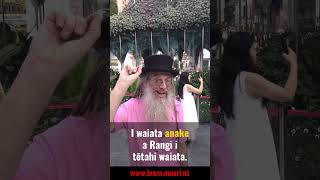
Kua pānui a Rangi I tētahi pukapuka.
Rangi has read a book.
I pānui mai te ākonga i tana tuhinga roa ki a au.
The student read his/her essay to me.
Kua pānui ahau i tēnei pānui.
I have read this notice.
Kei te pānui au i te pukapuka.
I am reading the book.
Me pānui e te minita tetahi o ngā inoi.
One of the prayers must (will be) read out by the minister.
Haere mai kia pānui ai koutou i te tohutohu.
Come here so that you can read the instructions.
Ka pānui ahau I te pukapuka ª Rangi.
I will read the book of Rangi.
He kaha ia ki te pānui pukapuka nē?
She/he's good at reading eh?
Pānui pukapuka.
Read books.
Ka pānui au i tā koutou pukapuka
I will read your book that belongs to you all
Homai te pukapuka kia pānui ai au.
Pass me the book so that I can read.
He uaua te pānui i tēnei tuhinga
This essay is hard to read
A tōku māmā Kei te pānui au i te pukapuka a ō mātou hoa.
I am reading our friends' book.
Kei te pānui ngā tamariki i ā rātou pukapuka.
The children are reading their books.
I pānui au.
I read.
Ka āta kōrero ia i te pānui.
He carefully read the notice.
Kei te pānui ia i tētahi pukapuka.
He is reading a book.
Kei te pānui pukapuka ia.
He is book-reading.
Kei hea ngā pānui mō tēnei ahiahi?
Where are the notices for this afternoon?
Me pānui koe i tēnei pukapuka
You should read this book
Homai te pukapuka kia pānui *ai* au.
Pass me the book so that I can read.
He rawa ngā tamariki ki te tuhituhi, ki te pānui hoki.
The children are good at writing and reading.
I pānui au i tētehi pukapuka.
I read a book.
I pānui pukapuka au.
I read.
Kei te haere ahau ki te whare pukapuka ki te pānui i te pukapuka.
I am going to the library in order to read the book.
Kei te pānui a Rangi *i* te pukapuka
Rangi is reading the book
Ka taea pea e au te pukapuka te pānui.
Maybe I am able to read the book.
Kei te pānui a Rangi
Rangi is reading
Kāore a Mere i te pānui i te pukapuka.
Mere is not reading the book.
Kei te āta pānui ahau.
I am reading carefully.
I pānui a Mere i te pukapuka kia ako ai ia i te reo Māori.
Mere read the book to learn Māori.
Me pānui te māhita
The teacher had better read aloud (active); a strong suggestion, or polite order.
Me pānui ō rātou ingoa
Their names had better be read out (passive); a strong suggestion, or mild order.
Kei te pānui rātou i te pukapuka
They are reading the book.
I pānui rātou i te pukapuka
They read the book.
Nāku i pānui..
I was the one who read
Hei āpōpō pānui au ai i ētahi pukapuka reo Māori.
Tomorrow I will read some Māori books.
Nāku te pukapuka i pānui.
I was the one who read the book.
Pānui me ngā rauemi.
News and resources.
Nāku te pukapuka rā i pānui.
I was the one who read that book.
Māu tēnei pānui.
This notice is for you.
He pānui tēnei mōu.
This notice is about you.
Māku te pukapuka rā e pānui.
I will be the one who will read that book.
Ki tā te pānui, hei te pō nei te kōnohete.
According to the flyer, the concert’s tonight.
Kei te pānui a Tainui te pukapuka ki ngā kōhungahunga.
Tainui is reading the book to the young people.
Maku te pukapuka e pānui.
I will be the one to read the book.
Ko tēnei te tuarua o ā mātou pānui ki a koutou.
This is the second of our newsletters to you.
Kei te pānui au mō te huarere.
I am reading about the weather.
Inanahi, i mahi ahau, ā, ka pānui ahau i te pukapuka.
Yesterday i worked, i, and then, subsequently, ka, i read the book.
I tākaro ngā tamariki, ā, ka moe rātou, ā, ka waiata rātou, ā ka pānui rātou, ā, ka kōrero rātou
I am saying that children played and slept and sang and read and spoke
I tākaro ngā tamariki, ā, katahi ka waiata rātou, ā, kātahi ka pānui rātou, ā, katahi ka moe rātou
Then I am saying what happened, in order one thing after another.
Kei te pānui tētahi tauira i tētahi pukapuka
And if some students are reading since books
Kei te pānui ētahi tauira i ētahi pukapuka.
Two new words