Results for 'Hoko'
hoko - to buy, sell, purchase
Hoko (i). 1. v.t. Exchange, barter, buy, sell. Te kore korirangi hei hoko parawai pakipaki (M. 97). I hokona tona kakahu ki te poaka. The price of the thing bought or sold is preceded by the preposition ki.
2. n. Merchandise. He hoko tenei ka u.
hohoko, hokohoko. 1. v.t. Traffic, trade, exchange, E hoa, me hokohoko o taua panepane, ko tou moku, ko toku mou.
2. v.i. Alternate. Ka mohio au e kore au e riro i te mate nei kua hokohoko hoki ko te wa pai, ko te wa kino, ehara ano ia i te pai, engari he ahua ngawari nei.
Williams Dictionary
Hoko (ii). A prefix used with the numerals from 1 to 9 to signify 20 times the subjoined numeral. In reckoning thus (hokotahi, twenty, hokotoru, sixty), topu (q.v.) was generally understood, especially in reference to an army. Katahi ka haere hokowhitu te tangata, hokowhitu te patu (T. 142). Hokowhitu, a hundred and forty, is used for—(a) Band, company, party, complement of men. Katahi ka peke te hokowhitu ra, hokowhitu, hokowhitu atu, ki tawahi o te awa (T. 41). Ka whakatika nga waka o te hokowitu o Whakatau (T. 41). Ka rewa (te waka) ki te moana, ka utaina hokowhitu ki runga (T. 56). Ka wehea hokowhitu hei tiaki i ta ratou waka, hokowhitu ki te ngahere ki te tarai haumi (W.M. viii, 113). (b) Any large indefinite number. Haere mai te manuhiri, nei, hokowhitu (T. 186).
Williams Dictionary
Hoko (iii).—Possibly connected with preceding word. Kake mai koe na Tirangi ki te hoko Ati Puhi (T. 180). Taku nei titiro nga ngaru e horo o nga matakurae o Honi-paka i waho, ki te hoko Ati Toa (M. 15). Kei hau aku rongo te puke riri taua, Kaiwaka i runga, ki te hoko Ati Kura (M. 99). Hei toko (te waka) ki tawhiti te ripa ki Tauranga, te au ki Katikati, ki te hoko Ati Awa (M. 169).
Williams Dictionary
Hoko (iv), n. Lover. = ipo.
Williams Dictionary
Ko wai i hoko i ngā pukapuka?
Who bought the books?
Asking who - Ko wai...?
Kei te haere ia ki te hokomaha hoko kai ai.
He's going to the supermarket to buy food.
Simple sentences: present tense with a verb - kei te
E tatari ana au ki te rārangi kia hoko ai i ōku hū.
I am waiting in the queue to pay for my shoes.
Simple sentences: present tense - e... ana
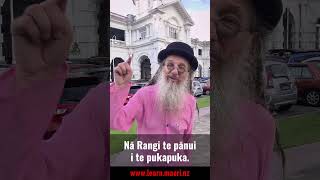
I hoko a Rangi i te waka.
Rangi bought the car.
Simple sentences: past tense - i
I te haere au ki te toa ki te hoko kai.
I was going to the shop to buy food.
Simple sentences: past tense - i te
Ka haere au ki te toa āpōpō ki te hoko kai.
I will go to the shop tomorrow to buy food.
Simple sentences: past tense - i te
Ka hoko au i tētahi taonga mā tāku tahu.
I will buy a gift for my love.
Simple sentences: future tense - ka
Kua haere ia ki te toa ki te hoko hikareti.
She's gone to the store to buy cigarattes.
Simple sentences: past completed tense - kua
Me haere koe ki te toa ki te hoko miraka.
You should go the shop and buy milk.
Simple sentences: you should - me
Me haere māua ki te hoko parāoa.
We two had better go and buy some bread.
Simple sentences: you should - me
I ia Rāhoroi haere ai a Hēmi ki te hoko tīkiti Rotarota.
Every Saturday Hēmi always goes to buy a Lotto ticket.
Habitual action - ai
Kia hia ngā moni ki te hoko i te waka hōu?
How much money do you need to buy the new car?
How many are needed? - Kia hia
Ka pai tēnā, māku hoki ētahi kai e hoko mō te haerenga?
That's good, will I buy some food for the trip?
Is it OK if... ? - Ka pai taku...?
Nāku i hoko te ngeru.
It was me who bought the cat.
Past agent emphatic - nā - agent emphatic
Nāku i hoko ngā hū.
It was me who bought the shoes.
Past agent emphatic - nā - agent emphatic
Nāku kē ētahi kai i hoko, nō reira kua pai tātou.
I already bought some food, so we are alright.
Conjuctions - because - nā te mea
Māku ngā kai e hoko.
I will buy the food.
Future agent emphatic - māku, mā... e..., mā... hei
Māu ngā kai e hoko.
You buy the food.
Future agent emphatic - māku, mā... e..., mā... hei
Mā Mia e hoko kai ki Peke te Pēke, koinā tōna tino.
Mia will buy food at Pak n Save, that's her favourite.
Future agent emphatic - māku, mā... e..., mā... hei
Māna ngā kai e hoko.
She will buy the food.
Future agent emphatic - māku, mā... e..., mā... hei
Māku ngā kai e hoko.
I will buy the food.
Future agent emphatic - māku, mā... e..., mā... hei
Māu ngā kai e hoko.
You will buy the food.
Future agent emphatic - māku, mā... e..., mā... hei
Māna ngā kai e hoko.
She will buy the food.
Future agent emphatic - māku, mā... e..., mā... hei
Māku ngā hū e hoko.
I will buy the shoes.
Future agent emphatic - māku, mā... e..., mā... hei
Mā Tawa e hoko ngā huawhenua.
Tawa will buy the veges.
Future agent emphatic - māku, mā... e..., mā... hei
Mā Hera ngā huawhenua e hoko.
Hera will buy the veges.
Future agent emphatic - māku, mā... e..., mā... hei
I hoko kai au.
I bought food.
Gerund phrases (fence building, bread baking, dishes washing...) - tunu parāoa...
I hoko au i tētaho kurī hei mōkai mā taku tama.
I bought a dog as a pet for my son.
For the purpose of - hei
I haere au ki te toa hoko kai ai.
I am going to the ship in order to buy food.
The reason for an action - ...ai.
I haere au ki ngā toa hoko kai ai.
I went to the shops to buy food.
The reason for an action - ...ai.
Ka haere au ki te toa hoko tītī ai.
I will go to the shop to buy muttonbird.
The reason for an action - ...ai.
He mea hoko kē pea te keke nei. Tērā tonu pea. Ehara ia i te tangata tunu keke, ki taku mōhio.
I think this cake might have been bought. Probably. As far as I know he's not a cake-maker.
Perhaps, quite possibly - Tērā pea, tērā tonu pea
Kia pakeke au, ka hoko whare nui au, mōku.
When I grow up, I'll buy a big house for myself.
Adjectives and a-type statives -
Kia whiwhi te tamaiti tāne ki te moni, ka hoko mai ia i te koha mā te kōtiro.
When they boy got the money, he bought a present for the girl.
Adjectives and a-type statives -
Kāore tōku pāpā i te hoko i tētahi rorohiko.
My father isn't buying the computer.
Negations of the past and present tense (I was not working, I am not working) - Kāore... i te...
Kāore a Rangi i hoko i te waka.
Rangi did not buy the car.
Negations of the past tense - Kāore... i...
Kāore tātou e haere ki te hokomaha ki te hoko i ngā hēki.
We are not going to the supermarket to buy eggs.
Negations of the future (I will not go) - Kāore... e...
Kāore au e haere ki te toa āpōpō ki te hoko kai.
I will not go to the shop tomorrow to buy food.
Negations of the future (I will not go) - Kāore... e...
Kei te haere ia ki te hokomaha ki te hoko i ngā kai.
He's going to the supermarket to buy food.
Using 'ki' to indicate direction towards something - ki
Kāore au i te haere ki te toa ki te hoko kai.
I was not going to the shop to buy food.
Describing how an action is done - I tere tā mātou haere; He pai tana mahi
Kaua rawa atu koe e hoko i tēnā pōtae.
You mustn't buy that hat.
Direction markers with adverbs - tonu mai, kā atu, rawa mai...
Ehara māku ngā kai e hoko.
I won't buy the food.
Negating the future agent emphatic - ehara mā..
Ehara māu ngā kai e hoko.
You won't buy the food.
Negating the future agent emphatic - ehara mā..
Ehara māna ngā kai e hoko.
She won't buy the food.
Negating the future agent emphatic - ehara mā..
Ehara māku ngā kai e hoko.
I won't buy the food.
Negating the future agent emphatic - ehara mā..
Ehara māu ngā kai e hoko.
You won't buy the food.
Negating the future agent emphatic - ehara mā..
Ehara māna ngā kai e hoko.
She won't buy the food.
Negating the future agent emphatic - ehara mā..
Ehara māku ngā hū e hoko.
I won’t buy the shoes.
Negating the future agent emphatic - ehara mā..
Mehemea ka hoko au i tēnei tarau, ka pau aku moni.
If I buy this shirt, I'll have no money.
If (using mehemea) - mehemea, mehe, mēnā
Ehara i a au te ngeru i hoko.
I didn’t buy the cat.
Negating the past agent emphatic - ehara i...
Ehara i a au ngā hū i hoko.
I didn’t buy the shoes.
Negating the past agent emphatic - ehara i...
I a mātou i Rānana ka tūtaki ki a Mere mā i a rātou e hoko ana i ng`1a parāoa wīwī.
While they were in London, they met Mary and her group while they were buying French bread.
While... - i... e... ana, ka...
I haere au ki te tāone kia hoko ai i ngā hū hou.
I went to town in order to buy new shoes.
In order to - kia... ai
Me hoko kode i tēnei, kaua ko tērā.
You should buy this, not that.
Not that - kaua ko.. tēnei, tēnā, tērā
Ko wai kāore i hoko i ngā pukapuka?
Who didn’t buy the books?
Who didn't? - Ko wai kāore...
Kei te haere au ki te toa ki te hoko kai *ai*.
I am going to the shop to buy food.
E haere ana ahau ki te taaone ki te hoko mai i teetahi koha
I am going to town to buy a present
Kei te haere ahau ki te hokomaha ki te hoko kai.
I am going to the supermarket to buy food.
Ka haere tātou ki te hokomaha ki te hoko i ngā hēki.
We are going to the supermarket to buy the eggs.
I haere ahau ki te hokomaha, I hoko kai ai.
I am going to the supermarket in order to buy food.
Mā Nani e hoko kai ki Peke te Pēke, koinā tōna tino.
Nanny will buy food at Pak n Save, that's her favourite.
Me hoko e tātou he koha mā Māmā, me te tākai anō kia ātaahua.
We should buy Mum a present, and wrap it nicely too.
Kei te haere atu ahai ki te hokomaha hei hoko kai.
But we can also add ai at the end.
Kua hoko inu māu
Your ball has gone missing
Ka pīrangi au ki te hoko i tēnei pane koti whero.
I would like to buy this red skirt.
Kei te haere atu ahau ki te hokomaha hoko kai ai.
I am going to the supermarket in order to buy food.
Kei te haere atu ki te hokomaha ki te hoko kai.
I am going to the supermarket *to* by food.
E hia te utu mō te hoko hū?
How much does it cost to buy shoes?
Kei te haere ahau ki to hokomaha hoko ai i te kai.
I am going to the supermarket to buy food.
Kei te haere ahau ki te hokomaha hoko ai i te kai mā ōku mātua.
I am going to the supermarket to buy food for my parents.
Kei te haere atu ahau ki te hokomaha ki te hoko kai.
And I can use ai to say that the reason I am going to the supermarket is to buy food.
Māku e hoko mai he koha māu inā tae mai te moni.
I’ll buy you a present when the money arrives.
Kei te haere atu au ki te hokomaha kia hoko kai ai ia.
I am going to the supermarket in order that she can buy food.
Hoko ai hoki rātau i ngā maniūa mō te māra i Ōpotiki.
They usually buy the manure for the garden at Ōpotiki.
Kia whiwhi rā anō au i te moni, ka hoko au i te motokā.
I won't buy the car until I get the money.
Ka hoko ahau i te hōiho e whāngai ana e te tamaiti.
I will buy the horse that is being fed by the child.
Kei te haere atu au ki te hokomaha hei hoko kai.
I am going to the shops in order to buy food.
Āe, māu tonu, kia titiro au ki te rārangi o ngā kai hei hoko.
Yes, you drive, so that I can look at the list of food to buy.
I haere au ki te hokomaha hei tangata hoko kai.
I went to the supermarket as the person buying food, or in the role or function of a food buyer.
Kei te haere ahau ki te toa hei hoko i tētahi kakau.
I am going to the shop in order to buy some clothes.
Ka hoko hoki te hoki.
The fish will indeed return.
He haere tāua ki te hoko kai.
Let’s (you and I) go and buy some food.
He haere tātou ki te hoko kai.
Let’s (all of us) go and buy some food.
I hoko au i tētahi kurī hei mōkai mā taku tama.
I bought a dog as a pet for my son.
Āwhea a Nikau hoko ai i tana pahikara hou?
When is Nikau buying his new bike?
Āwhea hoko ai a Hēmi i tana pahikara hou?
When is Hēmi buying his new bike?
Nō te Rātapu a Pita i hoko ai i te motokā.
(It was on Sunday that Peter bought the car.)
Kua hoko inu māu?
Have you lost your ball?
Ko hea tātou hoko ai i ētehi taro?
Where shall we buy thereat some loaves?
Nā te hoko kai ahau e haere nei ki te hokomaha.
I am going to the supermarket because of the food buying.
Āwhea a Riripeti hoko kai ai?
When will Riripeti buy food?
Mā te hoko kai ahau e haere atu ai ki te hokomaha.
It is because of the buying of food that I will go to the supermarket.
Ko te Tūrei te rā i hoko ai māua i tō māua whare hōu.
Tuesday is the day on which we shall buy/bought our new house.
E hoko kākahu hou ana ia mō tana tamāhine
She is buying new clothes for her daughter
Nā wai ēnei āporo i hoko mai?
Who bought these apples?
Mā Huia e hoko ngā huawhenua.
Huia will buy the vegetables.
I haere ahau ki te toa ki te hoko kai.
I went to the shop to buy food.
I hoko au i tētehi hāte hou.
I bought a new shirt.
Kei te tuhituhi a Rangi i te reta ki te pene i hoko ai ia.
Mere is baking the cake.
I taraiwa a Rangi ki te hokomaha kia hoko kai ai ia.
Rangi drove to the supermarket to buy food.
I hoko mai ahau i tētahi pukapuka.
I bought a book.
Ehara i a au ngā hū i hoko.
I didn’t buy the shoes.
Ka hoko au i tētahi motokā hou ā te wā e whiwhi ai au i ētahi moni.
I will buy a new car at the time when I get some money.
Kaaore au i te maumahara he aha aa taaua i hoko mai ai
I don’t remember what we bought
Nā te matekai, ka hoko ai au i te kai.
Because of hunger, I bought food.
Kei te tuhituhi a Rangi i tētahi reta ki te pene i hoko ai ia.
Rangi is writing a letter with the pen which he bought.
Āwhea a Hēnare hoko ai i tana pahikara hou?
When is Hēnare buying his new bike?
Kua haere ia ki te toa ki te hoko hikareti
S/he’s gone to the store to buy cigarettes
Āwhea hoko ai a Hēnare i tana pahikara hou?
When is Hēnare buying his new bike?
Kua tae mai te kootiro naa·na i hoko mai ngaa whurutu
The girl who bought the fruit has arrived
Ka hoko au i te motokā kahurangi, i te motokā whero rānei.
I will buy the blue car or the red car.
Ka hoko koe i te motokā kahurangi, i te motokā whero rānei?
Will you buy the blue car or the red car?
Ka hoko rānei koe i te motokā whero?
Will you (or will you not) buy the red car?
Ka hoko koe i te motokā whero, kāore rānei?
Will you buy the red car or not?
Ka hoko koe i te motokā whero, kāore rānei, ina haere koe ki Te Whanganui-a-Tara?
Will you buy the red car or not when you go to Wellington?
I kite au i te tangata i hoko mai i too motokaa
I saw the man who bought your car
I hoko mai ia i te whare i hanga·a e Hata
He bought the house that was built by Hata
I hoko mai ia i te whare naa Hata i hanga
He bought the house that Hata built
Ka hoko au i ngā hū ā tērā wiki
I will buy the shoes next week
Kei te pīrangi au ki te hoko i tēnei mō taku pāpā.
I want to buy this for my dad.
I haere au ki te toa, a, ka hoko au i te kai.
I went to the shop and subsequently i bought food.
"Katoa tō mātou kapa e tino manawanui nei i te āheinga a te hunga reo Māori ki te whakamutu i ā rātou mahi hoko kai i roto i te reo, i te āheinga hoki mā te whānui me te whāroa o ā mātou toronga, ka āwhina kia whakarauora i te reo, ā, kia whakamahia e ngā whakatipuranga kei te pihi ake."
"Our entire team is incredibly proud that not only can te reo Māori speakers now complete their shopping in their own language, but that we can use our scale and reach to help ensure te reo Māori is revitalised and used for generations to come."
Māku ngā tekoteko e whakairo e hoko atu.
I shall carve and sell the tekoteko.
Ka hoko ia i te inu.
She will buy the drink.
Maa·ku e hoko mai he koha maa·u inaa tae mai te moni
I’ll buy you a present when the money arrives
I haere ahau ki te hokomaha, kātahi ka hoko ahau i te kai.
I went to the supermarket, and then I bought the food.
Ka haere ahau ki te hokomaha, kātahi ka hoko ahau i te kai.
I will go to the supermarket, and then I will buy the food.
Ka pai anō tō hoko waea pūkoro hou māku, e Mā?
Could you buy me a new cellphone, Mum…?