Results for 'Tā'
tā - print, draw
Tā (i). 1. v.t. Dash. Na te ngaru i ta ki te one, pae ai (M. 83). He ua ta whakarere (A very heavy rain).
2. Aim a blow at. Katahi ka taia e Tawhiri ki a Tumatauenga (T. 6).
3. Strike, beat, with a stick, etc. Hoatu tatou ki te ta karaka.—Toki ta wahie te toki (M. 292). Ta i te kawa, strike with a branch of kawakawa (i.e., perform the ceremony of kawa). Ka haere te tohunga ki roto ki te whare, e ta ana ki nga taha o te whare.
4. Whip a top. Katahi ka whakahaua e Turi nga tamariki ki te takaro, ki te ta kaitaka (T. 107).
5. Dash water out of a canoe; so bail. Tangia te riu o te waka.—Tangia te wai o to waha (Bail out your mouth, i.e., cease talking).
6. Cut. E haere ana ahau ki te ta toetoe mo toku whare.
7. Tattoo. Takoto ra, e hine, kia taia o ngutu, to kauae, kia pai ai koe (M. 58). I taia to moko ki te aha ? (P.).
8. Sprinkle by means of a branch or bunch of leaves dipped in water.
9. Paint. Ka wehi taua iwi ki ona kanohi, ano i taia ki te takou te whero (T. 16).
10. Carve, fashion. He pounamu, he aurei, i hoatu e te tangata ki te tohunga kia taia, ara kia hangā hei matau.—Katahi ka taia te matau ra, whakapiri rawa ki te paua.
11. Overcome. Ka taia e te moe (W. i, 115).
12. Lay, allay. He ta kopito (M. 44).
13. n. Maul, mallet.
14. Whip for a top.
15. Scoop for bailing a canoe. = tatā.
16. Stroke with a taiaha.
tāinga, n. Place for bailing in a canoe. Ko au nei te whanatu hei te tainga riu (M. 252). Ka ngaro katoa te ihu, tango ake ki te tainga wai (M. ix). Sometimes in the form tāingāwai. Ka taea te taingawai o te ihu, tango atu ki te tangawai o waenga (T. 72).
tānga, n. 1. Circumstance, time, or place of dashing, striking, etc. ‖ 1–12, above. Kei hea te wahi tanga wahie?—He whakawai tanga moko (M. 57). Tānga kakariki, a perch or stand so arranged that parakeets settling on it could be killed by a blow from a stick. Tānga ika, (a) The slaying of something either as an offering for, or subsequently dedicated to, an atua. E ta, me patu e taua te oi hei tanga ika ma taua (W. iii, 39). Kia tae atu au ki te kawe i te hau o tenei tanga ika (T. 22). (b) The custom of presenting to the relatives of a warrior the property of one whom he has slain in battle.
2. The place where a seine is brought to land. Tawewetia te tanga mo te kupenga.
tātā, v.t. 1. Dash down, beat down. He kawatawata tata moana te koangiangi (J. xx, 17). Ua tātā, very heavy rain.
2. Break in pieces by dashing on the ground. Tatakia te rakau na hei wahie ma taua.—Tatakina a tatou wahie kia matariki. Tātā wahie is now applied to cutting firewood with an axe.
3. Strike repeatedly. Kua uru ia ki roto ki nga matua a tera, tata haere ai, takirua, takitoru ki roto i te rapa o tona taiaha (J. xx, 23).
4. Oppose, contradict. E pa, he kupu tata tau kupu.
5. Hew out. Ka tahuri ki te tata kumete mana.
tatā. 1. v.t. Bail water out of a canoe. E kore au e waiho hei tata i te wai o to tatou waka (T. 21).
2. n. Bailer. Ko te ingoa o te tata ko Tipuahoronuku (T. 111).
Williams Dictionary
Tā (ii), v.t. Net. Katahi ano ka kitea te ta o te kupenga (T. 179). Ka rapua kia taia he kupenga, ka haoa (M. v). Tā rakau, a small woven ridge covering the joining of the io of taniko border with those of the body (kaupapa) of a garment.
tānga, n. The operation of netting or weaving. E rua tekau tanga o te kete ka kitea i reira (M. 230).
tātā, n. Small bag net. Tātā ika, a ground net for crayfish.
Williams Dictionary
Tā (iii), n. 1. Stalk, stem, of a plant.
2. Quill of a feather, feather. Kia ai he ta kotuku ki roto o te nohoanga pahi, kia tau ai (Let there be a plume of white heron feathers in the assembly, that all may be well—i.e., let there be a chief present) (P.). Kei te titiro te iwi ki nga tohu o te rangatira, o te toa, ki te ta kotuku, ki te pare karearea (J. xx, 20).
3. Shin, lower joint of the leg.
tātā, n. 1. Stalk, stem. Ka tae ki te tata perehia, ka werohia taua tata perehia ki taua ngaru (W. iii, 35).
2. Long handle of the pewa, for snaring birds. Tātā pere, throwing stick for darts.
3. Shin.
4. Fence, particularly the outer palisade of a fort.
Williams Dictionary
Tā (iv). 1. v.t. Breathe; generally used with manawa. Ka ta te manawa, ka kau ano (Pi.
page 355
135, 3). Kua ta te ihu, be relieved, after hunger, cold, etc. Ka hiakai te tangata, ka kai, a kua ta te ihu, kua ora.
2. Be uttered. Muri iho ka ta te umere ki te koputu manu.
3. n. Wind. E pa ta waho, e awhea mai nei (M. 201). E ta uru waho, e wawara mai nei (M. 118).
whakatā, v.t. Allow time for breathing. Ka whakata i tona manawa (T. 132).
Williams Dictionary
Tā (v), v.i. Slant, be oblique, deviate from the perpendicular, or parallel. He ta kakaho ka kitea, he ta tangata e kore e kitea (P.). Another form gives, He tanga kakaho (P. 27). (Crookedness of reed setting can be seen, etc.)
tātā. 1. v.t. Wag, nod. Kaore e kori tona tinana, ko te mahunga anake e tata ana (W.M. x, 115). E tata ana te whiore o te kuri ki tona rangatira.
2. n: A small variety of eel.
3. Tail of thehapukufish, which was regarded as a delicacy. Ko nga ika i mahue atu, ka kotia mai nga tata, nga whatuaro, nga upoko o nga hapuku (J. xx, 17).
Williams Dictionary
Tā (vi), n. Flock; used of certain birds. E tama ma, e, haere atu ra, popo noa ana te korikori, e tawaia ana i te ta riroriro.—Ka rere ia kia hea i te ta kokako a Kotikoti ? Tā pākūwhā, a term applied to a company of persons visiting connections by marriage. ‖ tānga (i).
Williams Dictionary
Tā (vii), n. A term of address with certain tribes. Occasionally it may be translated friend. E ta ! kawea atu tetahi wai moku (T. 168). In the plural, e tā ma! E ta ma! he aha ta korua korero? (W. iii, 39).
Williams Dictionary
Tā (viii), definitive particle used with pronouns, nouns, and proper names to indicate possession. 1. To form a simple possessive, the … of = te … a. Ka wehi noa ake te matua a Hatupatu … tena ko ta Hatupatu matua kotahi, he maha nga rangatira (T. 101). Ko ta korua mokai he ika haehae kupenga (T. 200). He aha ta te tangata haere pononga? (What are the means of a man who is travelling?) (T. 196). Ko ta namata kai nui tenei he kuri (T. 139). Kia hohoro ta ratou haere (T. 147).
2. To supply the want of the verb have, in which case the object generally has the indefinite article he. He putorino ta Tutanekai, he koauau ta Tiki (T. 130). He tangi ta te tamaiti, he whakama ta te kaumatua (P. 827).
3. Elliptically, either to obviate the repetivtion of the noun, or implying the reference to intention, inclination, saying, etc. Ka hutia ake e Irawaru tana aho, akuanei ka arau ki ta Maui (T. 25). Kihai i hamumu te waha o nga tuakana no te mea kua he ta ratou (T. 200). Ka mea atu Te Hikaka, “Maoa tonu.” Ta Kapua, “Hua atu, kai mata, whiwhia; maoa, riro ke” (P. 104). Ka hei ta raua; apopo au kite iho ana i a raua (T. 200). Hei reira ka kotikoti ai te ika nei, a ka riro pai ta tera, ta tenei na, ta tera ra (i.e., and each will receive his share) (T. 22). Also in reciting genealogies, tama being understood. Ta Kihi ko Rangiaho, ta Rangiaho ko Te Heuheu (M. Ixvii).
4. In the expression ta te mea, the fact being that, because. Ka mea ia ki tona matua whangai kia whakaaro ki ana kupu i mea atu ra ki a ia, ta te mea kua pa ia ki a Hinemoa (T. 131). Ka tupu te whakaaro i a Tawhirimatea kia tahuri mai ia ki te whawhai ki ona tuakana mo te wehewehenga i o ratou matua, ta te mea kaore ia i whakaae kia wehea raua (T. 4).
Note.—With the singular personal pronouns ta combines with the pronominal suffixes, and forms the words tāku, tāu, tāna, which are treated separately. The construction te … a may be used indifferently for ta, as in the example under 1, above, except with personal pronouns. For the difference between tā and tō (x), ‖ a (ii), o (iii), F.L. § 22. The pl. of tā is ā. ‖ ā (iii).
Williams Dictionary
Tā (ix), n. Excrement. He ringa aha au ringa, te ao ai i nga ta o a taua tamariki? (W. i, 84). Ta-turi, earwax. = tae-turi. ‖ tae (ii).
Williams Dictionary
Tā (x), a. Near. Ki taku mohio ka ta koe te mate (W. i, 147). Na, ka ta te hemo te wahine ra. ‖ tata.
Williams Dictionary
Tā (xi), prefix, having apparently a causative force similar to that of whaka.
Williams Dictionary
Kua oti tā māua mahi.
Our (two people) work is done.
Simple sentences: past completed tense - kua
Kāti, he aha tā kōrua mahi i tēnei rā, e moko?
So, what are you two doing today, my grandchild?
What are you doing? - He aha tāu mahi?
He aha tā koutou mahi i te marae i te Rāhoroi?
What were you guys doing at the marae on Saturday?
What are you doing? - He aha tāu mahi?
Nō tētahi rangi o Nōema, ka whakamōhiotia mai kua whakaaetia tā mātou tono.
One day in November, we were informed that our application had been successful.
Belonging to the past - nō
Mō tā rāua tama ērā hū.
Those shoes are for their son.
Unrealised possession - mā, māku
Māku tā tātou hapa e tunu a tēnei pō.
I will be the one to cook our dinner tonight.
Future agent emphatic - māku, mā... e..., mā... hei
I pēwhea tā kōrua hararei?
How was your (you two) holiday?
How is...? - E pēwhea ana, he pēwhea?
Kaua e wareware tā tātou hui ā tēnei Rātapu.
Don't forget our meeting this Sunday.
Negative active commands - Don't! - Kaua e..., kāti...
E ai ki tā rātou, ko Te Pātaka o Rākaihautū tētahi anō ingoa mō Horomaka.
According to them, Te Pātaka o Rākaihautū is another name for Banks Peninsula.
According to... - E ai ki.../E ai ki tā... /Ki tā
E ai ki tā Pita, i nui te inanga i ēnei kōawa i mua.
According to Pita, there used to be heaps of whitebait in these streams.
According to... - E ai ki.../E ai ki tā... /Ki tā
Kei te piki haere anō te utu o ngā whare, e ai ki tā te niupepa.
House prices are on the rise again, according to the newspaper.
According to... - E ai ki.../E ai ki tā... /Ki tā
Ki tā te kuia rā, he mea hanga taua whare ki te mauku.
According to that kuia, that house was built out of mauku (a type of fern).
According to... - E ai ki.../E ai ki tā... /Ki tā
Ki tā te pānui, hei te pō nei te kōnohete.
According to the flyer, the concert's tonight.
According to... - E ai ki.../E ai ki tā... /Ki tā
Ki tā te tākuta, kāore ia e hemo i tōna mate.
According to the doctor, her illness isn't terminal.
According to... - E ai ki.../E ai ki tā... /Ki tā
Ki tā Kahu mā, nā rātou kē taua taonga.
According to Kahu and them, that taonga belongs to them.
According to... - E ai ki.../E ai ki tā... /Ki tā
Ki tā te pukapuka.
According to the book.
According to... - E ai ki.../E ai ki tā... /Ki tā
Kua tuhi pūrongo rāua mō tā rāua haere.
They've written a report about their trip.
Gerund phrases (fence building, bread baking, dishes washing...) - tunu parāoa...
Kāore anō tā māua mahi kia oti.
Our work is not done yet.
Negations of kua (I haven't yet...) - Kāore ano... kia...
Ka mutu tā tātou mahi āpōpō.
Our work will be finished tomorrow.
Statives - mate, ngaro, mau...
Nō tā māua tama tērā whare.
That house belongs to our son.
Established possession - nāku, nōku...
Kāore anō tā rātou kurī kia hoki mai i te pāmu.
Their dog has not yet returned from the farm.
Possessives - 'a' class - ā, tāku...
I moe tā tāua pēpi i te moenga o tā rāua pēpi.
Our baby slept in their baby's bed.
Possessives - 'a' class - ā, tāku...
He pātai tā kōrua?
Do you two have a question?
Possessives - 'a' class - ā, tāku...
He pātai tā koutou?
Do you have a question?
Possessives - 'a' class - ā, tāku...
He wātakirihi tā Tawa?
Does Tawa have any watercress?
Possessives - 'a' class - ā, tāku...
He wātakirihi tā Rangi.
Rangi has watercress?
Possessives - 'a' class - ā, tāku...
He kai tā ngā tuna.
The eels have food.
Possessives - 'a' class - ā, tāku...
He motokā tō Hōne.
Hōne has a car.
Do you have any...? - He... ?
He waea tā Hine.
Hine has a phone.
Do you have any...? - He... ?
He pukapuka tā Hine.
Hine has a book.
Do you have any...? - He... ?
He aha tā Taika?
What does Taika have?
What? - He aha?
He aha tā Honi e kōrero ana?
What is Honi talking about?
What? - He aha?
He aha tā Ataahua e pīrangi ana?
What does Ataahua want?
What? - He aha?
He aha tā tātou?
What do we want?
What? - He aha?
Ko tā rātou kurī tērā e auau ana.
That is their dog barking.
That (over there) - tērā
Hei tā Michale Naera, heamana o Te Mana Hauora, he uaua ki ētahi tūroro Māori te mārama ki ngā rerenga kōrero hauora reo pākeha, ā, ka māmā ake me he Māori te reo.
Te Mana Hauora chair Michael Naera said Māori patients struggled with English medical terms and would find it easier if they were in Māori.
Conjunctions - and - ā
Te kakara hoki o tā tātou kai.
Our food smells great.
*How... - Te... hoki...
I a rātou e waiata ana i tā rātou waiata ka whakarite kai ngā ringawera mā rātou.
While they were singing their song, the cooks prepared food for them.
While... - i... e... ana, ka...
Heoi anō tā tātou, he noho, he whakarongo.
All we have to do it sit and listen.
All we have to do... - heoi anō tā tātou... he...
Ināianei hoki he titiro pōuriuri tā tātou
Now indeed a look dark belongs to us
Noho atu ana tētahi, noho mai ana tētahi, i tētahi taha, o tā rāua ahi.
They sat opposite one another on either side of their fire.
Kāore te tamaiti i whakapono ki tā tōna hoa i kī ai.
The child didn't believe what his friend said.
He aha tā rātou kurī i whai ai i tērā ngeru?
Why did their dog chase that cat?
I auau tā mātou akiaki i a ia kia whakaoti i tana tuhinga roa
We frequently urged him to finish his thesis
Ki tā te Awara, ko Hei te pāpā o Waitaha.
According to Te Arawa, Hei was the father of Waitaha.
e kai ai I te kai a tā mātou ngeru?
(With subtitles)
Tēnā koutou, tēnā koutou i te whānau, nau mai ?? ki tō tā tēnei kaupapa
Greetings to you all, greetings to you all, family — welcome to this gathering / this occasion.
Nā, kāti tā tātou whakawhāki tētahi i tētahi (Romans 14:13)
Let us each stop passing judgement, therefore, on one another
Nō tētahi rā i a Nōema, ka whakamōhiotia mai kua whakaaetia tā mātou tono.
One day in November, we were informed that our application had been successful.
Tā te rangatira kai
The chief’s food
Pērā-tia ana e Toi me tā Kahukura i kī atu ai ki a ia.
Toi did as Kahukura had told him.
Kua oti tā rātou peita.
Their painting is finished.
Kua kai ia i tā tāua kai.
He ate the food that belongs to you and me.
He tino nui tā kōrua tēpu
Your table, belonging to the to of you, is big
Ka kai ahau i tā rāua keke
I will eat the cake that belongs to those two
Ehara koutou i te tāngata, he ota tonu tā.koutou kai.
You aren’t human, all you ever eat is raw food.
He pai tā tātou huii
Our meeting is good
He whero tā mātou tōmato
Our tomator is red (its not your tomaoto)
Ka pānui au i tā koutou pukapuka
I will read your book that belongs to you all
Kua matakitaki tātou i tā rātou kiriata
We have watched their movie
He tama tā Amaru.
Amaru has a son.
Nā reira, me mihi koutou ki a koutou, otirā ki a koe, taku hoa, Tūhoe, taku parata. Tēnā koe e hoa, tō tāina mai hei tautoko, hei tiaki i ahau, otirā i ēnei o ngā tauira, me tā rātou nei wawata, hia hia, inā koe taku parata.
Therefore, greetings to you all, and especially to you, my friend, Tūhoe, my close companion. Greetings to you, my friend, your younger sibling here to support and care for me, and also for these students, with their many aspirations—indeed, there you are, my close companion.
Me whakarongo koutou ki tā tātou tohutohu.
You had better listen to our instructions.
Rite tonu tā Riki tama ki te aihe ki te kauhoe.
Riki's son is just like a dolphin at swimming.
He mea whakamīharo te pikinga a Tā Edmund Hillary i Everest.
Sir Edmund Hillary’s climbing of Everest was a noteworthy achievement.
Ki tā te Māori titiro...
In the Māori viewpoint...
He rorohiko hou tā Aria.
Aria has a new computer.
He aha tā kōrua e pīrangi nā?
What do you two want?
Ko tā rātou he whakainu i ngā pēpi ki te wai hua rākau.
It is their practice to give the babies fruit juice to drink.
Pēhea ai tā te ngeru tangi? Miao ai!
What kind of sound do cats make? They meow!
Me tā tātou whai i ngā tikanga a rātou mā.
as well as in our pursuit of our ancestral traditions.
He hui tā Pita.
Pita has a meeting.
Ko Pere te ingoa o tā rāua ngeru.
Their cat’s name is Pere.
Rite tonu tā Riki tama ki te aihe te tere.
Riki's son is just as fast as a dolphin.
Kei te moe tā rāua pēpi.
Their baby is sleeping.
He aha tā koutou e pīrangi nā?
What do you all want?
He aha tā kōrua e rapu nā?
What are you two looking for?
He pūrākau tā Hēmi e kōrero ana.
Hēmi is talking about an ancient narrative.
He aha tā koutou e rapu nā?
What are you all looking for?
He aha tā rāua e rapu nā?
What are those two looking for?
Kei te rapu tā mātou ngeru i tāna kai.
Our cat is searching for his tea.
Āpōpō, ka ea i te iwi tā rātou whakataunga.
Tomorrow, the tribe will settle their decision
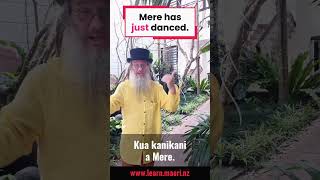
tā Mere pukapuka te pukapuka a Mere
Mere’s book
He aha tā rāua e tunu rā?
What are those two cooking?
Kātahi au, a Ngāti Whātua, ka rapu utu mō Taureka tā.te.mea he kōhuru.
So I, Ngāti Whātua, sought revenge for Taureka because it was murder.
He tino ora tā rāua pāmu.
Their farm is very productive.
He tino kaha rātou ki te whai i tā rātou e hiahia nei
They are very energetic at pursuing their own goals
I hea tā tātou pouaka whakaata?
Where was our television?
Tā rātou kimihanga i te mea ngaro.
Their search for that which is lost.
tā māua mahi
our work
I whakaae te hui ki tā Hōne i whakatakoto ai.
The meeting agreed to what Hōne proposed.
tā Tamahae tama
Tamahae's son
He miraka kau tā rāua mahi.
Milking cows is their job.
Haere koe hei kaituki i tā tātou waka.
Go and be the chanter for our canoe.
Kua kaha tā mātou mahi.
We have worked hard.
E moe ana tā tātou kurī
Our dog was, is or will be sleeping.
Kia oti te tā o ēnei, kātahi te tino kōtiro nei kei muri ai
After they are done, the chiefly girl is tattooed.
He rite tonu tāku kitā ki tā tōku tuakana.
My guitar is just like my older sibling's.
He ātaahua āu tā pikitia
Your paintings are beautiful
Kua pau tā tāua parehe!
Our pizza is all gone!
He aha tā Mohi i korero ai ki a koutou?
What was that which Moses said to you?
Me kai ngā tamariki i tā rātou kai
The children should eat their food.
Hōatu ki a rātou tā rātou e hiahia ai.
Give to them that which they desire.
Kua tutuki i a tātou tā tātou whāinga.
We've achieved our goal.
Ka whakangāwaritia e rātou tā rātou haere kia tae atu ai te wahine nei ki a rātou.
They slowed their pace so that this woman could catch up with them.
Kua mutu tā mātou mahi
Our work has ended
Ka huaina tā rāua tama ko Hēnare
Their son was called Hēnare
Kāore e hoatu e ahau, tā te mea ko te paekura ki te Māhina.
I won’t give it up, because it is the treasure found by Māhina.
Kotahi tā kōrua kurī?
Do you have one dog?
He pai tā rāua tākaro ataata hou!
Their new video game is awesome!
Tā tātou karakia.
Our karakia.
Kua tāwēkoweko tā tātou kete
Our basket has become frayed
Kai ai tā rātou ngeru i ngā kiore.
Their cat always eats mice.
He mea kohikohi ngā mōteatea tawhito e Tā Apirana Ngata
The ancient songs were collected by Sir Apirana Ngata
He karaka tā māua hunaonga.
Our daughter-in-law is a clerk.
Kia kama tā kōrua haere ki te moe, kia kama ai tā kōrua maranga i te awatea.
Go to sleep quickly so that you may get up quickly in the morning.
Ko au tā rāua tamāhine.
I am their daughter.
Tā te rangatira kai he kōrero.
Talk is the food of chiefs.
E tā!
By jingoes!
Hei a Pipiri tīmata ai te tau hōu, e ai ki tā te Māori tikanga
The New Year will begin in June, according to the traditional Māori system
Ka herea e ia tā tāua kurī.
He tied up our dog.
He aha tā te kurī?
What is the dog up to? (What’s the trouble with the dog?)
Kua kaha → tā mātou mahi.
We have worked hard.
Me mutu tā rātou tuhituhi i ā rātou whakautu i te toru karaka
Their writing of their answers must stop at three o’clock (i.e., they must stop writing their answers at three o’clock)
He uri a ia nō Tā Apirana Ngata.
He is a descendant of Apirana Ngata.
tā māua, tō māua ā māua, ō māua
(Exclusive) our
tā tātou, tō tātou ā tātou, ō tātou
(Inclusive) our
Ko tā te wahine (mahi) he karanga ki te manuhiri
It’s the women’s role to call the visitors
Tā rātou tuhituhi i ā rātou whakautu.
Their writing of their answers.
tā mātou, tō mātou ā mātou, ō mātou
(Exclusive) our
E tā, i reira hoki au.
Come on mate, I was there too.
Ko wai tā Hata e patu nā ki te aha?
Who is Hata hitting with what?
Kāore tā mātou ngeru i te tatari ki tāna kai.
Our cat is not waiting for his tea.
Ka mutu → tā tātou mahi āpōpō.
Our work will be finished tomorrow.
Kua oti → tā rātou peita.
Their painting is finished.
Me mutu tā rātou tuhituhi i ā rātou whakautu i te toru karaka.
They must stop writing their answers at three o’clock.
He pēhea tā rātou mahi?
What is their job like?
He tino pai tā rātou mahi.
Their job is very good.
E whakarongo ana rātou ki tā Rewi e whakamārama ana ki a rātou.
They are listening to that which (what) Rewi is explaining to them.
He aha tā rātou e hiahia ana?
What is it that they desire? (What do they want?)
He aha tā tātou pēpi e tangi pērā ai?
Why will our baby cry like that.
Kia pai tā koutou noho
I hope you have a good stay
tā te kuia mokopuna
the old woman's grandchild
I auau tā rātou kurī.
Their dog barked.
Kāorɛ tā rātou kurī i auau.
Their dog did not bark.
Ka mahara au ki tā mātou haere ki reira
I remember our going there
tā Kelly rorohiko
Kelly's computer
tā tātou karaihe
our (3+ inclusive) class
Kāore tā tātou maheni i a koe?
Haven't you got our magazine?
Ko tā rāua nei mahi tākaro he whakatangitangi pūtorino.
Their hobby was flute-playing.
Me pēhea tā tātou whakatika i te whakahuatanga o ngā kupu Māori?
How are we to correct the pronunciation of Māori words?
E auau ana tā rātou kurī.
Their dog was, or is will be barking.
Kāore tā rātou kurī e auau ana.
Not barking.
E ai ki tā rātou, ko Te Pātaka o Rākaihautū tētahi anō ingoa mō Horomaka.
According to them, Te Pātaka o Rākaihautū is another name for Banks Peninsula.
Kei a koe tā tātou maheni?
...to this (you are swapping the tā tātou maheni and Kei a koe)
E ai ki tā Pita, i nui te inanga i ēnei kōawa i mua.
According to Pita, there used to be heaps of whitebait in these streams.
Tā rāua tamaiti.
Their child (two people, one child).
Kei te piki haere anō te utu o ngā whare, e ai ki tā te niupepa.
House prices are on the rise again, according to the newspaper.
Ki tā te kuia rā, he mea hanga taua whare ki te mauku.
According to that kuia, that house was built out of mauku (a type of fern).
Ki tā te pānui, hei te pō nei te kōnohete.
According to the flyer, the concert’s tonight.
I whakaputaina tuatahihia tēnei whakaaro e Tā Āpirana.
This idea was first articulated by Sir Āpirana.
Āpōpō ka haere mātou ki Pōneke ki te tāpae atu i tā mātou petihana ki te Pāremata
Tomorrow we are going to Wellington to submit our petition to Parliament
Kei runga tā rātou kurī I tōku moenga?
What? Their dog is on my bed?
Ki tā te tākuta, kāore ia e hemo i tōna mate.
According to the doctor, her illness isn’t terminal.
Ki tā Kahu mā, nā rātou kē taua taonga.
According to Kahu and them, that taonga belongs to them.
Ki te whakaae tā tātou tono, ka tīmata te mahi āpōpō
If our application is approved, work will start tomorrow
E tūmanako ana mātou kia whakaāe mai te Kawanatanga ki tā mātou pitihana.
We are hoping the Government will agree to our petition.
Kua kai tā rāua tamāhine i āna rīwai.
Their daughter has eaten her potatoes.
He aha tā koutou mahi inanahi nei?
What did you guys (3 or more) get up to yesterday?
Ngā pukapuka ā tā rāua tamaiti.
Their children's books.
He aha tā kōrua mahi i Pōneke?
What did you two get up to in Pōneke?
Tā te rangatira kai.
The chief's food.
He aha tā koutou mahi i te kura i tēnei rā?
What did you guys get up to at school today?
He aha tā koutou mahi i te marae i te Rāhoroi?
What were you guys doing at the marae on Saturday?
Ko tā te tāne mahi he haere ki te pakanga kia ora ai tōna iwi.
The man’s job was to go to war so that his people would be safe.
E tā Nikau, he pai ake tēnei momo paihikara.
According to Nikau, this type of bike is better.
Pai noa iho e tā.
Easy, sweet as, bro.
Nā Te Rangi Hīroa, nā Tā Apirana i tuhituhia ngā pukapuka pai mō te Māori.
Te Rangi Hīroa and Sir Āpirana wrote fine books about the Māori.
He tūpara tā Rōpata,.
Rōpata has a shotgun.
Ko tā Hannifin anō, he tuku whakamoemiti ki Te Taura Whiri i te Reo Māori i tā rātou tautoko kia whai oranga ai tēnei kaupapa
Hannifin says Countdown is grateful to Te Taura Whiri for their tautoko in bringing the project to life.
He rorohiko tā māua.
The two of us (not you) have a computer.
He tamaiti tā tāua.
We have a child.
Kua oti tā māua mahi.
Our (two people, not your) work is done.
Kei te hīkoi tā kōrua tama.
Your (2 people) son is walking.
Kia tika tā koutou whakapai moenga!
You must make your beds properly!
Ka kōrero tā rāua mokopuna.
Their (2 people) grandchild is talking.
Kia tika tā kōrua tuhi!
You (two) must write correctly!
Kua tae mai tā tātou manuhiri.
Our visitor has arrived.
He tāne tā mātou ngeru.
Our cat is a male.
o tā rātou taurekareka
of their slave
I pai tā koutou waita.
Your (3+) singing was good.
He aha tā rātou mahi āpōpō?
What is their task tomorrow?
Ka pai tā kōrua whakahoki mai i taku tama ina mutu te whakawai?
Would you mind dropping my son off here after practice?
He pai tā te koroua mihi.
The elderly man's greeting was excellent.