Results for 'Kai'
i - object of the sentence, from; concerning; in; in the past; on; → | Several uses; not always translatable with a specific English word.
Past tense verb particle: I haere ia ... She went
Past time marker: I tērā wiki ... Last week
Direct object marker: Ka ia i te āporo.
Source marker (from): Kua hoki mai au i te kura.
kai - eat (v); food (n)
Kāī, n. 1. Podocarpus spicatus, a tree. Tenei te tohu e mohiotia ai te kāī matai, ka ahua puwhero, he kai matai. ‖ matai, mai.
2. In some parts, young of Podocarpusexcelsum, white pine. ‖ kahika, kahikatea.
kākāī, n. Young of matai.
Williams Dictionary
Kai (i). 1. v.t. Consume. Katahi ka kainga te pa e te ahi.—He maro nguha te maro, he maro kai taua (T. 97). Ka kai tonu nei hoki te wai i te whenua (T. 6).
2. Eat. Ka kai te tangata, a Uenuku-kopako i te hua mana (P. 97). When the food is mentioned the preposition i is used, but as a rule the verb is used absolutely. Ka karanga te iwi ra, ka mea, “Taihoa e haere, ka kai.” Ka mea atu a Hakawau, “Kua kai ano maua, i kai tata mai ano, i konei na ano e kai mai ana” (T. 177). Kai upoko, curse. Kai torori, kai paipa, smoke. (mod.)
page 86
3. Drink any liquid other than water, for which inu is used. E kai waiu ana te tamaiti. So, too, kai waipiro, drink strong drink.
4. With the prep. ki before the object, bite. Katahi ano te ika ka kai ki tana matau (T. 117).
5. n. Food. Heoti ano te kai pai o nga kai katoa he huahua (P. 97).
kakai, v.t. and v.i. Eat frequently.
kainga, n. Refuse of a meal, as cockle shells, etc.
Williams Dictionary
Kai (ii), n. 1. Quantity, number. Nga mahi a te amonga o te kai nei a te kaniwha, a te pere (T. 155). Takoto ana te kai nei a te kukupa (T. 146).
2. Anything produced in profusion, products. Kua kite ia i te whenua, tona kai, he pounamu, he moa (T. 68).
3. Thing. He kai kora nui te riri (P. 15). Te kai i pura ai te kanohi o Tahuaroa (P. 98). Nga heke tai ra, he kai whakahoha (M. 101).
whakakai. 1. n. Ornament for the ear. Ko te hei, ko nga whakakai, i mahue tonu iho (T. 181).
2. v.t. Use as an ornament for the ear. Ka keria a Kaukaumatua, ka tangohia ake, katahi ka whakakairia ki te taringa o Hinete-kakara.
kakai, v.i. Conspire, plot, take counsel.
Whakarau kakai, consider at length, debate fully, disagree.
Williams Dictionary
Kai (iii), v.i. Fulfil its proper function, have full play. Often requiring in translation the use of the appropriate verb. I te ata ka kokiri, e kai ana te patu (The weapon is smiting). E kai ana te takiri (Of an ominous twitching being felt) (T. 200). E whiti mai, e te ra, e kai ki taku kiri (Play upon my skin) (M. 291). Ka mahi te kanohi kai matarae (The eye which watches the headland) (P. 36). E kore e mau i a koe he wae kai pakiaka (A foot accustomed to run over roots) (P. 5).
kainga, n. Field of operation, scope of work. Oku kainga waewae (The places my feet have trod) (P. 55). Whai tonu atu i te kainga waewae (Continue to follow his footsteps) (M. 97). Te tara ki Te Pihanga ko nga kainga mata o toku whanaketanga (The peak of Te Pihanga, which my eyes gazed upon as I grew up) (M. 103). Mo Taiheke i kainga hoetia e koe (The stream Taiheke, in which your paddle worked) (M. 290). Kainga kanohi, view.
kakai, v.i. Frequentative. Te uira i te rangi e kakai rua ana na runga o nga puke (The lightning that plays recurrently on the hilltops) (M. 337).
kai rakau, body of men skilled in arms. Ko te Patari te matua a te kai rakau, a nga toa (J. xx, 22). Ko nga toa katoa me te kai rakau o era matua me hui mai ki a au (J. xx, 21). E waru rau tonu te kai rakau o te ope, ma te akunga ka toru mano ai (Pi. 149, 11).
Williams Dictionary
Kai (iv), a prefix to transitive verbs to form nouns denoting an agent. Katahi ka peke mai nga kaihapai patu (T. 152).
Note.—This prefix should, like the causative whaka, be regarded as forming one word with the verb to which it is attached.
Williams Dictionary
Kai (v), v.t. Reach, arrive at. Kai ana ki te rae, te one Hakere (M. 7). Omanga a tima mai nou, e Kawana, kai tonu ki te rae o Te Matau ra, ia, e (M. 38).
Williams Dictionary
Kai (vi), n. Riddle, puzzle, toy.
Williams Dictionary
Kai (vii). A term of address. E kai!
Williams Dictionary
Kai (viii) = kei, koi, keiwha, prep. and ad.
Williams Dictionary
Kai koromaki, twitching of the limbs; regarded as an omen. Engari taku taha e kai koromaki ana (S.).
koromamaki, whakakoromaki = koromaki, 2 and 3.
Williams Dictionary
Ko wai kei te tunu i te kai?
Who is cooking the food?
Asking who - Ko wai...?
Ko wai i kai i ngā āporo?
Who ate the apples?
Asking who - Ko wai...?
He aha rātou i kai ai i ērā āporo?
Why did they eat those apples?
Why did? - He aha... i... ai?
Ehara māu te kai nei.
This food isn't for you.
Negations of identity sentences - ehara...
Ehara a Rangi i te tangata mahi kai.
Rangi isn't a hunter-gatherer-grower of food.
Negations of identity sentences - ehara...
Ehara i a mātou te kai i tunu.
We did not cook the food.
Negations of identity sentences - ehara...
Kei te kai rāua.
They're eating.
Simple sentences: present tense with a verb - kei te
Kei te kai parakuihi te whānau.
The family is having breakfast.
Simple sentences: present tense with a verb - kei te
Kei te hiakai au, engari, kore kau he kai!
I am starving, but, there is absolutely no food!
Simple sentences: present tense with a verb - kei te
Kei te tuhituhi au i te rārangi kai.
I'm writing the shopping list.
Simple sentences: present tense with a verb - kei te
Kei te kai ahau i te āporo.
I am eating an apple.
Simple sentences: present tense with a verb - kei te
Kei te kai a Hōne i te āporo.
Hōne is eating the apple.
Simple sentences: present tense with a verb - kei te
Kei te kai rāua i ngā kūmara.
They are eating the kūmara.
Simple sentences: present tense with a verb - kei te
Kei te kai ngā pakeke i ngā kina me ngā pāua. Kei te pūhaehae mātou.
The elderly are eating kina and pāua. We are jealous.
Simple sentences: present tense with a verb - kei te
Kei te kai ahau.
I'm eating.
Simple sentences: present tense with a verb - kei te
Kei te haere ia ki te hokomaha hoko kai ai.
He's going to the supermarket to buy food.
Simple sentences: present tense with a verb - kei te
E kai ana te kurī i te kai.
The dog is eating the food.
Simple sentences: present tense - e... ana
E tunu ana a Mere i te kai.
Mere is cooking the food.
Simple sentences: present tense - e... ana
E kai ana te pēpi i ngā rīwai.
The baby is eating the potatoes.
Simple sentences: present tense - e... ana
E kai ana ngā tamariki i ngā āporo.
The children are eating the apples.
Simple sentences: present tense - e... ana
E kai ana ngā tamariki i te hapa.
The children are eating dinner.
Simple sentences: present tense - e... ana
I tērā tau i hūnuku tōku whānau ki ngā roto o Kai Iwi.
Last year, my family moved to the lakes of Kai Iwi.
Simple sentences: past tense - i
I kai au i taku parakuihi.
I ate breakfast.
Simple sentences: past tense - i
I kai au tahi me...
I ate with...
Simple sentences: past tense - i
I kaha taku kai.
I had lots to eat.
Simple sentences: past tense - i
I kai ngā tamariki i te parāoa.
The children ate the bread.
Simple sentences: past tense - i
I kai koe i te aha i nāpo?
What did you eat last night?
Simple sentences: past tense - i
I haere au ki to awa ki to hīkoi, i toro auto ki tōku hoa, ā, i kai tahi hoki me tōku whānau.
I went to the river to go walking, I visited my friend and I are together with my family.
Simple sentences: past tense - i
I mahi au i te māra, ā, āe, i pānui pukapuka, ā, i tunu hoki au i te kai mā te whānau.
I worked in the garden, yeah, I read books and I cooked for the family.
Simple sentences: past tense - i
I taku taenga atu ki te kāinga, kua maoa kē i a ia ngā kai.
When I got home, he had already cooked dinner.
Simple sentences: past tense - i
I whakatō i ētehi kai māori pērā i te kūmara me te kōkihi.
We planted native food like kūmara and native spinach.
Simple sentences: past tense - i
I te kai te kōtero i te āporo.
The girl was eating the apple.
Simple sentences: past tense - i te
I te haere au ki te toa ki te hoko kai.
I was going to the shop to buy food.
Simple sentences: past tense - i te
Ka haere au ki te toa āpōpō ki te hoko kai.
I will go to the shop tomorrow to buy food.
Simple sentences: past tense - i te
Ka horoi koe i ngā rīhi i muri i te kai.
You will wash the dishes after the meal.
Simple sentences: past tense - i te
Ka tunu a Mere i te kai mō te whānau ā te pō.
Mere will cook dinner for the family tonight.
Simple sentences: past tense - i te
Ka kai tahi tātou i te hākari.
We will eat the feast together.
Simple sentences: future tense - ka
Ka tunu ahau i te kai.
I will cook food.
Simple sentences: future tense - ka
Kua mutu tana mahi whakareri i ngā kai.
He has finished preparing the food.
Simple sentences: past completed tense - kua
Kua oti i taku pāpā te kai te tunu.
My father has finished cooking.
Simple sentences: past completed tense - kua
Kua tiki koe i te kai?
Have you got the food?
Simple sentences: past completed tense - kua
Kua horahia te kai.
This food has been spread out before us.
Simple sentences: past completed tense - kua
Kua tika katoa kai me ngā mīti atu.
All the food, including the meat, should be ready now.
Simple sentences: past completed tense - kua
Kua kai koe i tō parakuihi?
Have you had your breakfast?
Simple sentences: past completed tense - kua
Kua pau katoa te kai i a koutou!
You have eaten up all the food!
Simple sentences: past completed tense - kua
Kua kai au.
I have eaten.
Simple sentences: past completed tense - kua
Kua tīkina e Mere te kai.
Mere has fetched the food.
Simple sentences: past completed tense - kua
Kua reri te kai.
The food is ready.
Simple sentences: past completed tense - kua
Kua kai pāua koe?
Have you eaten pāua?
Simple sentences: past completed tense - kua
Kua kai kamokamo koe?
Have you tried kamokamo?
Simple sentences: past completed tense - kua
Kāore anō au kia kai, ernmgari kei te matekei au.
I have not yet eaten, but I am starving.
Simple sentences: past completed tense - kua
Kua kai au i te pūhā.
I have eaten pūhā.
Simple sentences: past completed tense - kua
Me haere mai ki taku kāinga ki te kai.
(You) should come to my house to dinner.
Simple sentences: you should - me
Me kai ia.
She should eat.
Simple sentences: you should - me
Me kai waiū ngā pēpi ka tika.
It's right that babies have breast milk.
Simple sentences: you should - me
Me kai koe.
You should eat.
Simple sentences: you should - me
Me tunu a pāpā i te kai.
Dad should cook the food.
Simple sentences: you should - me
Me whakarite koe i te kai.
You should prepare the food.
Simple sentences: you should - me
Me tunu kai koe!
You should cook!
Simple sentences: you should - me
Me aha ahau ki ngā toenga kai?
What should I do with the leftovers?
Simple sentences: you should - me
Me kai i te rūma kai, kaua e kai i tō rūma moe.
You should eat in the dining room not in your bedroom.
Simple sentences: you should - me
Me whakapai koe i te kai.
You had better bless the food.
Simple sentences: you should - me
Me mutu tō kai paipa, kei mate koe.
You should stop smoking in case you get sick or die.
Simple sentences: you should - me
Me noho koe ki te tēpu i a koe e kai ana.
You should sit at the table while you are eating.
Simple sentences: you should - me
Me tunu te kai.
The food should be cooked.
Simple sentences: you should - me
Me kī te pātaka i ngā kai.
The pantry should be filled with food.
Simple sentences: you should - me
Me kai hoki koe i ngā waewae kōura.
You should also eat the cray legs.
Simple sentences: you should - me
Kua pau i a ia te paraoa te kai.
He has eaten up the bread.
Sentences with i - i
Ka kai tātou i tētahi ika nui.
We will eat a big fish.
Sentences with i - i
Āe, kua kai au i te tītī.
Yes I have eaten mutton bird.
Sentences with i - i
I a ia e kai ana, ka kite ia i tōna hoa.
While he was eating, he saw his friend.
Sentences with a subclause - e... ana
Kei Rangitīkei tāku pāpā e mahi ana.
My father is working in Rangitīkei.
Kei te kāuta a Tame e tunu kai ana.
Tame is in the cook house cooking dinner.
Kei roto rātou e mahi kai ana.
They are inside preparing food.
Ka nui te tote kei totetotetia te kai.
That's enough salt, or else it will be too salty.
Be careful... lest! - kia... kei...
Tunu kai ai ahai i a pō, i a pō.
I always cook food every night.
Habitual action - ai
Kai ai ngā manu i ngā kākano o tēnei rākau hua.
The birds usually eat the seeds of this fruit tree
Habitual action - ai
Kai ai te ngeru i ngā kiore.
The cat always eats mice.
Habitual action - ai
Kai ai au i te pāreti ia ata, ia ata.
I always eat porridge each and every morning.
Habitual action - ai
Rite tonu koe ki te poaka ki te kai.
You eat just like a pig.
This is just like that - he rite tonu
Tēnā tīkina atu he kai mā kōrua.
Please, fetch some food for you two.
Could you please make me... - Tēnā mahia mai he... māku.
Ka pai tēnā, māku hoki ētahi kai e hoko mō te haerenga?
That's good, will I buy some food for the trip?
Is it OK if... ? - Ka pai taku...?
Taihoa tātou e īnoi kia horahia ngā kai katoa.
Hold off on karakia until all of the food is laid out.
Don't... just yet! - Taihoa... e
Taihoa e kai panakeke kia pania ki te miere maple i te tuatahi.
Don't eat pancakes, spread it with maple syrup first.
Don't... just yet! - Taihoa... e
Taihoa koutou e kai me whāngai te manuhiri i te tuatahi.
Don't eat yet, feed the visitors first.
Don't... just yet! - Taihoa... e
Āhea koe ka kai?
When will you eat?
When? (in the future) - Āwhea? Āhea?
Āhea ngā kau kai ai?
When will the cows eat?
When? (in the future) - Āwhea? Āhea?
Kāore au e rata ki tēnā kai - he kawa ki taku korokoro.
I don't like that food - I find it unpleasant.
To like - rata
Kāore au e rata ki te kai a te ngeru, he haunga.
I don't like cat food, it stinks.
To like - rata
Ehara māku tēnei kai.
This food is not for me.
Negating māku possessives - ehara... mā...; ehara... mā
Ehara mā ngā manuhiri tēnei kai.
This food is not for the guests.
Negating māku possessives - ehara... mā...; ehara... mā
Ehara mā tātou tēnei kai.
This food is not for us.
Negating māku possessives - ehara... mā...; ehara... mā
Ehara mā rātou tēnei kai.
This food is not for them.
Negating māku possessives - ehara... mā...; ehara... mā
Nāku i tunu te kai.
I cooked the food.
Past agent emphatic - nā - agent emphatic
Nā mātou i kai ngā kai katoa.
It was us (excluding you) who ate all the food.
Past agent emphatic - nā - agent emphatic
Nāku i tiki te kai.
It was me who fetched the food.
Past agent emphatic - nā - agent emphatic
Nā wai tō kai i tunu inapō
Who was the one who cooked your food last night?
Past agent emphatic - nā - agent emphatic
Nā wai te kai i tunu?
Who cooked for food?
Past agent emphatic - nā - agent emphatic
Nā wai tō kai i whakarite i tēnei rā?
Who was the one who prepared food today?
Past agent emphatic - nā - agent emphatic
Nāku te kai i tunu.
I was the one who cooked the food.
Past agent emphatic - nā - agent emphatic
Nāna te kai i tunu.
He cooked the food.
Past agent emphatic - nā - agent emphatic
Nā tōku hoa te kai i tunu.
My friend was the one who cooked the food.
Past agent emphatic - nā - agent emphatic
Ehara i tōku hoa te kai i tunu.
It wasn't my friend who cooked the food.
Past agent emphatic - nā - agent emphatic
Nā tana rōpā i whakanoi he kai māna.
His slave hung some food up for him.
Past agent emphatic - nā - agent emphatic
Nā Mia ngā kai i tunu.
It was Mia who cooked the food.
Past agent emphatic - nā - agent emphatic
Nā mātou te kai i tunu.
We cooked the food.
Past agent emphatic - nā - agent emphatic
Nāku kē ētahi kai i hoko, nō reira kua pai tātou.
I already bought some food, so we are alright.
Conjuctions - because - nā te mea
Māku tēnei kai.
This food is for me.
Unrealised possession - mā, māku
Mā ngā manuhiri tēnei kai.
This food is for the guests.
Unrealised possession - mā, māku
Mā rātou tēnei kai.
This food is for them.
Unrealised possession - mā, māku
Mā Amaru e whakapai te kai.
Amaru will bless the food.
Future agent emphatic - māku, mā... e..., mā... hei
Māku ngā kai e hoko.
I will buy the food.
Future agent emphatic - māku, mā... e..., mā... hei
Mā Pāora e tuhituhi te rārangi kai.
Pāora will write the shopping list.
Future agent emphatic - māku, mā... e..., mā... hei
Māu ngā kai e hoko.
You buy the food.
Future agent emphatic - māku, mā... e..., mā... hei
Mā Rina e hoko kai ki Peke te Pēke, koinā tōna tino.
Rina will buy food at Pak n Save, that's her favourite.
Future agent emphatic - māku, mā... e..., mā... hei
Māu te kai e hari atu ki a rātou.
You can take the food to them.
Future agent emphatic - māku, mā... e..., mā... hei
Māna ngā kai e hoko.
She will buy the food.
Future agent emphatic - māku, mā... e..., mā... hei
Māna e mau mai ngā kai.
She will bring the food.
Future agent emphatic - māku, mā... e..., mā... hei
Māku ngā kai e hoko.
I will buy the food.
Future agent emphatic - māku, mā... e..., mā... hei
Māu ngā kai e hoko.
You will buy the food.
Future agent emphatic - māku, mā... e..., mā... hei
Māna ngā kai e hoko.
She will buy the food.
Future agent emphatic - māku, mā... e..., mā... hei
Mā Pita te kai e tunu.
Pita will cook the food.
Future agent emphatic - māku, mā... e..., mā... hei
Mā Mere ngā kai e kawe.
Mere will bring the food.
Future agent emphatic - māku, mā... e..., mā... hei
Māku e mahi ngā kai.
I'll get the kai ready.
Future agent emphatic - māku, mā... e..., mā... hei
Manaakitia ngā manuhiri ki te kai, ki te kōrero.
Look after the guests with food and good conversation.
Commands using the passive - Tāpirihia, Tīkina...
Whakahokia ngā rīhi ki te kāpata i muri i te kai.
Return the dishes to the cupboard after the meal.
Commands using the passive - Tāpirihia, Tīkina...
Whakatikahia te tēpu mō te kai.
Set the table for the meal.
Commands using the passive - Tāpirihia, Tīkina...
Waihotia ngā kai ki runga i te tēpu mō te rā whānau.
Leave the food on the table for the birthday.
Commands using the passive - Tāpirihia, Tīkina...
E kai!
Eat up!
Command with e! - e!
E kai!
Eat!
Command with e! - e!
E apu kai ana ānō nei kāore e ara te rā āpōpō.
He was stuffing food into his mouth like there was no tomorrow.
It was as if - ānō nei
Hoatu kōrua ki te whare kai, kāore au e roa.
You two go ahead to the dining room, I won't be long.
You go on ahead - hoatu koe
Hoatu koutou ki te whare kai, kāore au i te haere.
You guys go on ahead to the dining room, I'm not going.
You go on ahead - hoatu koe
Kaua e kai!
Don't eat!
Negative active commands - Don't! - Kaua e..., kāti...
Kaua e kai i te tohorā!
Don't eat whale!
Negative active commands - Don't! - Kaua e..., kāti...
Kaua e kai pia ngaungau ki te kura.
Don't chew gum at school.
Negative active commands - Don't! - Kaua e..., kāti...
Kia āta kai. Kaua e hao.
Eat slowly. Don't be greedy.
Negative active commands - Don't! - Kaua e..., kāti...
Kaua e tū ki te kai.
Don't stand and eat.
Negative active commands - Don't! - Kaua e..., kāti...
Kaua e tunua te kai.
The food shouldn't be cooked.
Negations of 'me' - We shouldn't... - Kaua... (passive) e...
Kaua e kīa te pātaka i ngā kai.
The pantry shouldn't be filled with food.
Negations of 'me' - We shouldn't... - Kaua... (passive) e...
Kua tata te kai te reri.
The food is nearly ready.
Almost/just about - kua/i tata...
Kua tata pau te kai.
The food is nearly all gone.
Almost/just about - kua/i tata...
Kei te tunua te kai ki te ahi.
The food is being cooked by fire.
Passive sentences - tikina...
I kainga katoatia te kai.
The food was all eaten up.
Passive sentences - tikina...
I utaina e au ngā kai ki roto i te torore.
The food was loaded into the trolley by me.
Passive sentences - tikina...
I hoko kai au.
I bought food.
Gerund phrases (fence building, bread baking, dishes washing...) - tunu parāoa...
E pau haere ana te kai.
The food is running out.
It is becoming... - E... haere ana
Kia hoki mai rātou i te tāone, ka kai ai tātou.
When they get back from town, then we'll eat.
*And then... - ...ka/kātahi... ai...
I taea e Aria te kai te tunu.
Aria was able to cook food.
I am able... - Ka taea e...
Ka taea e koe te kai te tunu?
Are you able to cook dinner?
I am able... - Ka taea e...
Ka taea koe te kai i ngā āporo?
Are you able to eat the apples?
I am able... - Ka taea e...
He aha te tino kai hei kai mā ngā tamariki?
What is best food for the children to eat?
For the purpose of - hei
Hei kai kē te mīti nā, kāore hei mōunu.
That meat is for food, not for bait.
For the purpose of - hei
Haere atu ki te wharekai kai ai.
Go to the wharekai to eat.
The reason for an action - ...ai.
I haere au ki te toa hoko kai ai.
I am going to the ship in order to buy food.
The reason for an action - ...ai.
I haere au ki ngā toa hoko kai ai.
I went to the shops to buy food.
The reason for an action - ...ai.
E noho ki runga i tōu tūru ka kai ai.
Sit on your chair in order to eat.
The reason for an action - ...ai.
I te āhua whakamā au. Kāore au i hari kai atu, i te mea kāore au i tino mōhio ka roa te hui. Ka mutu, ko āku tamariki ngā mea tino kaha ki te kai.
I was a bit embarrassed. I didn't take a plate, because I didn't know it was going to be a long hui. And worse still, it was my kids who polished off most of the food.
And also, moreover - ...ka mutu
Kāore anō a Honi mā kia kai.
Honi and the others have not yet eaten.
Negations of kua (I haven't yet...) - Kāore ano... kia...
Kāore anō. Kāore anō au kia kai.
Not yet. I have not eaten yet.
Negations of kua (I haven't yet...) - Kāore ano... kia...
Kāore anō au kia kai.
I have not eaten yet.
Negations of kua (I haven't yet...) - Kāore ano... kia...
Kāore anō a Mere kia tiki i te kai.
Mere has not fetched the food yet.
Negations of kua (I haven't yet...) - Kāore ano... kia...
Kāore anō te kai kia reri.
The food is not ready yet.
Negations of kua (I haven't yet...) - Kāore ano... kia...
Kāore anō au ki kia kai i te kānga wai.
I haven't tried rotten corn yet.
Negations of kua (I haven't yet...) - Kāore ano... kia...
Kāo, kāore anō au kia kai i te tītī.
No, I haven't yet eaten mutton bird.
Negations of kua (I haven't yet...) - Kāore ano... kia...
Kāore anō au kia kai i te pūhā.
I have not yet eaten pūhā.
Negations of kua (I haven't yet...) - Kāore ano... kia...
I a au e hapū ana, i manako au ki ētahi kai tino rerekē nei.
When I was pregnant, I had some weird cravings.
When I was young - I a e tamariki ana
Kāore e āhei te inu pia, te kai paipa rānei, i konei.
Drinking or smoking is not allowed here.
Allowed to do something - āhei
Ahakoa te anuanu o te āhua o tēnā kai, he reka tonu.
Although that food looks disgusting, it actually tastes nice.
Discourse markers - although - ahakoa
Kāore ngā pakeke i te kai i te kānga pirau.
The elderly are not eating the rotten corn.
Negations of the past and present tense (I was not working, I am not working) - Kāore... i te...
Kāore au i te kai i ngā ata.
I don't eat in the mornings.
Negations of the past and present tense (I was not working, I am not working) - Kāore... i te...
Kāore a Hōne i te kai i te āporo.
Hōne is not eating the apple.
Negations of the past and present tense (I was not working, I am not working) - Kāore... i te...
Kāore au i te pīrangi ki tētehi kai pērā i tēnei ata.
I do not want any food like that this morning.
Negations of the past and present tense (I was not working, I am not working) - Kāore... i te...
Kāore au i te kai i te miraka tepe.
I don't eat yoghurt.
Negations of the past and present tense (I was not working, I am not working) - Kāore... i te...
Kāore ia i te kai mīti.
He doesn't eat meat.
Negations of the past and present tense (I was not working, I am not working) - Kāore... i te...
Kāore au i te mōhio he aha he kai māku.
I don't know what to eat.
Negations of the past and present tense (I was not working, I am not working) - Kāore... i te...
I te rāmere i kai ai au me Hēmi.
On Friday I ate with Hēmi.
Past - specifying a particular time - i te
I te pō i kai hapa au, ā, i mahi au.
At night I had dinner and worked.
Past - specifying a particular time - i te
Kāore ngā tamariki i kai i te parāoa.
The children did not eat the bread.
Negations of the past tense - Kāore... i...
Kāore ia i tunu i te kai.
He didn't cook the food.
Negations of the past tense - Kāore... i...
Kua mutu te kai.
The food has finished.
Statives - mate, ngaro, mau...
Kua pau te kai, kei te hoki te tokorua ki ō rāua kāinga.
The food has been consumed, the pair are returning to their homes.
Statives - mate, ngaro, mau...
Kua mutu taku kai.
My meal is finished.
Statives - mate, ngaro, mau...
Kua pau te kai.
The food has been consumed.
Statives - mate, ngaro, mau...
Kāore ngā kai i pau i a mātou.
The food was not consumed by us.
Negating statives - kāore i... i ahau...
Ka mea atu te rōpā rā, 'He kai.'
The slave said, 'Food!'.
Ka used to indicate the past - ka
Ka mutu te kai, ka kī ia...
When the meal was over, he said...
Ka used to indicate the past - ka
Ka puta katoa ki waho ngā tāngata o te pā ki te tahu kai.
All the people of the pā came outside to cook food.
Ka used to indicate the past - ka
Ka patua taua kai rā e ia ki te manga o te kawakawa.
He struck that food with the branch of the kawakawa.
Ka used to indicate the past - ka
Kāore au e haere ki te toa āpōpō ki te hoko kai.
I will not go to the shop tomorrow to buy food.
Negations of the future (I will not go) - Kāore... e...
Kāore koe e horoi i ngā rīhi i muri i te kai.
You will not wash the dishes after the meal.
Negations of the future (I will not go) - Kāore... e...
Kāore a Mere e tunu i te kai mō te whānau ā te pō.
Mere will not cook dinner for the family tonight.
Negations of the future (I will not go) - Kāore... e...
Kei te haere ia ki te hokomaha ki te hoko i ngā kai.
He's going to the supermarket to buy food.
Using 'ki' to indicate direction towards something - ki
Kāore te kurī e kai ana i te kai.
The dog is not eating the food.
Negations of e... ana... sentences - kāore... e... ana...
Kāore a Mere e tunu ana i te kai.
Mere is not cooking the food.
Negations of e... ana... sentences - kāore... e... ana...
He kai Māori te kai pai ki a Kauri.
Māori food is what Kauri likes.
Otirā ko ngā kai a te manuwhiri rā, he mea kai whakangaio.
But the visitors just pretended to eat their food.
Conjunctions - however - otirā
He kai ā kōrua?
Do you two have any food?
Possessives - 'a' class - ā, tāku...
He kai ā kōrua.
You two have food.
Possessives - 'a' class - ā, tāku...
He kai tā ngā tuna.
The eels have food.
Possessives - 'a' class - ā, tāku...
Ka whakamahana au i te kai.
I will warm the food.
Pronouns - singular - au, ahau
He aha tō pīrangi hei kai?
What do you want to eat?
What? - He aha?
He aha tō tino kai?
What is your favourite food?
What? - He aha?
He aha te kai pai ki a koe?
What is your favorite food?
What? - He aha?
He aha tēnei momo kai?
What type of food is this?
What? - He aha?
He aha te kai kāore e pai ki a koe?
What food do you dislike?
What? - He aha?
Kāore. He haunga rawa atu tēnā kai.
No. That is the smelliest food.
That (near you) - tēnā, te... nā
I kai parakuihi koe i tēnei ata?
Did you eat breakfast this morning.
This week, this month, this year - i tēnei wiki, i tēnei marama...
He paki te rā, he pai te kai, he pai te kōrero. He rawe tērā mutunga wiki i tērā tau.
It was a sunny day, good food, good conversation. That was an excellent weekend last year.
Last week, last month, last year - tērā
Kāore ahau i te kai i te āporo.
I am not eating an apple.
Describing how an action is done - I tere tā mātou haere; He pai tana mahi
Kāore au i te haere ki te toa ki te hoko kai.
I was not going to the shop to buy food.
Describing how an action is done - I tere tā mātou haere; He pai tana mahi
He tino pai te hui, ā, he tino pai anō hoki te kai.
The meeting was very good, and the food was also very good.
Conjunctions - and - ā
Āe, haere mai ki te kai.
Yes, come to eat.
Towards - mai
Tokohia kē mai nei ngā tāngata e tae mai ana mō te kai!
What a lot of people are arriving for the food!
Towards - mai
Ka mutu te hui, ka haere atu ngā manuhiri ki te whare kai.
When the meeting ended, the visitors went to the eating house.
Away - atu
Ka kai tātou ā te whitu karaka.
We'll eat at seven o'clock.
Telling time - kara
Hei waho ngā kai i te pāmu.
The food will be outside the farm.
Future locative - hei
He kai tino reka aua kai.
That food is sweet as.
That aforementioned thing - taua, aua
Kaua e kau i taku kai.
Don't eat my food.
Negative passive commands (Don't be...) - Kaua... e...
Kaua e whakahokia ngā rīhi ki te kāpata i muri i te kai.
Don't return the dishes to the cupboard after the meal.
Negative passive commands (Don't be...) - Kaua... e...
Kaua e whakatikahia te tēpu mō te kai.
Don't set the table for the meal.
Negative passive commands (Don't be...) - Kaua... e...
Kaua e waihotia ngā kai ki runga i te tēpu mō te rā whānau.
Don't leave the food on the table for the birthday.
Negative passive commands (Don't be...) - Kaua... e...
Kāore ngā kai hei waho i te pāmu.
The food will not be outside the farm.
*Negating locatives - kāore... i runga...
Ehara māku ngā kai e hoko.
I won't buy the food.
Negating the future agent emphatic - ehara mā..
Ehara māu ngā kai e hoko.
You won't buy the food.
Negating the future agent emphatic - ehara mā..
Ehara māna ngā kai e hoko.
She won't buy the food.
Negating the future agent emphatic - ehara mā..
Ehara māna e mau mai ngā kai.
She won't bring the food.
Negating the future agent emphatic - ehara mā..
Ehara māna e mau mai ngā kai.
She won't bring the food.
Negating the future agent emphatic - ehara mā..
Ehara māku ngā kai e hoko.
I won't buy the food.
Negating the future agent emphatic - ehara mā..
Ehara māu ngā kai e hoko.
You won't buy the food.
Negating the future agent emphatic - ehara mā..
Ehara māna ngā kai e hoko.
She won't buy the food.
Negating the future agent emphatic - ehara mā..
Ehara mā Pita te kai e tunu.
Pita won’t cook the food.
Negating the future agent emphatic - ehara mā..
Ehara mā Mere ngā kai e kawe.
Mere won’t bring the food.
Negating the future agent emphatic - ehara mā..
Mēnā ka haramai koe, ka tunu kai au mā tāua.
If you come over, I will cook food for us.
If (using mehemea) - mehemea, mehe, mēnā
Te pai hoki o tēnei kai!
How good this food is!
*How... - Te... hoki...
Te kakara hoki o tā tātou kai.
Our food smells great.
*How... - Te... hoki...
Te reka hoki o tēnei kai!
How sweet this food is!
*How... - Te... hoki...
Te reka hoki o te kai!
How sweet it is!
*How... - Te... hoki...
Ko ngā mahi pai ki a ia, ko te mahi māra, me te ruku kai moana hoki.
She likes gardening and diving.
I like... - He pai ki a au...
He pai ki a ia ngā kai moana.
He likes seafood.
I like... - He pai ki a au...
He rimurimu te kai pai ki a koe?
Is seaweed the food that you like?
I like... - He pai ki a au...
Kāo, kāore te rimurimu i te kai pai ki a au.
No, seaweed is not the food that I like.
I like... - He pai ki a au...
Tēnā, he aha te kai pai ki a koe?
Okay then, what food do you like?
I like... - He pai ki a au...
He ika me te maramara rīwai te kai pai ki a ia.
He likes fish and chips.
I like... - He pai ki a au...
Kāore i taea e Pita te kai te tunu.
Pita is unable to cook food.
To be unable - Kāore... taea...
Kāore koe e taea te kai i ngā āporo?
Are you unable to eat the apples?
To be unable - Kāore... taea...
Ehara i a mātou ngā kai katoa i kai.
We didn’t eat all the food.
Negating the past agent emphatic - ehara i...
Ehara i a au te kai i tiki.
I didn’t fetch the food.
Negating the past agent emphatic - ehara i...
Ehara i ahau te kai i tunu.
It was not me who cooked the food.
Negating the past agent emphatic - ehara i...
Ehara i a koe te kai i tunu.
You were not the one who cooked the food.
Negating the past agent emphatic - ehara i...
Ehara i a ia te kai i tunu.
She was not the one who cooked the food.
Negating the past agent emphatic - ehara i...
Ehara i a koe te kai i tunu inapō.
You didn't cook our food last night.
Negating the past agent emphatic - ehara i...
Kua pau ngā kai i a mātou.
The food was consumed by us.
Statives with 'i' - i a, i te, i ngā
Kua hora ngā kai i a Nikau.
The food has been spread out by Nikau.
Statives with 'i' - i a, i te, i ngā
Kua pau te kai i te whanau.
The food has been consumed by the family.
Statives with 'i' - i a, i te, i ngā
Kua pau i ngā tamariki te kai.
The food has been consumed by the children.
Statives with 'i' - i a, i te, i ngā
Kua wera i a ia te kai.
The food was burnt him him.
Statives with 'i' - i a, i te, i ngā
Kua wera te kai i a ia.
The food was burnt him him.
Statives with 'i' - i a, i te, i ngā
I a rātou e waiata ana i tā rātou waiata ka whakarite kai ngā ringawera mā rātou.
While they were singing their song, the cooks prepared food for them.
While... - i... e... ana, ka...
Kātahi anō rātou ka tīmata ki te kai.
They have just started to eat.
Has just... - kātahi anō...
Ka kai, ka tiko, kātahi ka rere.
He ate, shat and left.
And then... - kātahi ka...
Ka hoki mai ia, ka kai tātou.
When he gets back, we will eat.
When... - ka... ka; kia... ka
Nā te aha koe i kai ai i te āporo?
For what reason did you eat the apple?
For what reason? - nā te aha ai?
Nā te aha koe i kore ai e kai i te āporo?
Why didn’t you eat the apple?
Why not? - nā te aha i kore ai?
Kei kai koe!
Don't eat!
Kei... - Don't...
Kei te kai, kei te inu rānei koe?
Are you eating or drinking?
Or... - ...rānei
Kei te kai rānei koe?
Are you going to eat or not?
Or... - ...rānei
Ka tae mai ana rātou, ka kai tātou.
When they arrive, we will eat.
* -
Ka kai tātou, ka tae mai ana rātou.
We will all eat when they arrive.
* -
Ka pau ana āu hua whenua, ka kai koe i tō purini.
When all your vegetables have been eaten, you will be able to eat your pudding.
* -
He hiahia nō Hāmi ki te kai i te fish 'n chips.
Because Hāmi wants to eat fish and chips.
He aha tātou e kore ai e kai i puaa āpōpō?
Why won't we be eating pork tomorrow?
Why won't... - He aha... e kore ai e...
Ehara ngā kai moana i te pai ki a ia.
He does not like seafood.
I don't like... - Ehara... i te pai...
Ko wai kāore i te tunu i te kai?
Who isn’t cooking the food?
Who didn't? - Ko wai kāore...
Ko wai kāore i kai i ngā āporo?
Who didn’t eat the apples?
Who didn't? - Ko wai kāore...
Kāore au e kai ana
I am not eating
I pēhea te tunu kai i ngā wā o mua atu i te hiko?
How did people cook their food before there was electricity?
Kua rongo rātou i te kai.
They (3/+) have tasted/smelled the food.
Nā te aha ēnei kāpeti i kai?
What has eaten these cabbages?
Koērā ngā kai e kai ai ngā manuhiri.
Those are the foods that the guests will eat.
Kua kai ahau.
I have eaten.
Kei te haere au ki te toa ki te hoko kai *ai*.
I am going to the shop to buy food.
Taihoa e kai!
Don't eat yet!
I te kai au.
I was eating.
Kua kai au.
I have eaten.
Kei te kai ngā pakeke i te kānga pirau.
The elderly are eating the rotten corn.
He maro kai taua.
A kilt for destroying war parties.
Ka uia mai e Tama, ‘No hea tēnei kai?’ Ka karanga atu a Taukata, ‘No Hawaiki!
Where is this food from?
Kua kai au i ētahi kai.
I have eaten some food.
Kei te haere ahau ki te hokomaha ki te hoko kai.
I am going to the supermarket to buy food.
Kua kai parakuihi koe?
Have you had breakfast?
Apōpō ka pai te kai.
Tomorrow the food will be good.
Kei te kai a Rangi I te keke.
And we have kua, ka, I te i
I tēnei rā ka pai te kai.
Today the food is good.
Ka tunu ia i te kai.
He will cook food.
Ka kai tātou ā te poupoutanga o te rā.
We'll eat at midday.
Kāore ia e kia i te kai.
He will not cook food.
Me kai te keke
You should eat the cake
He pai noa iho ā rātou kai.
Their food was good enough (quite all right).
Me kai e Rangi te keke
Almost a passive
He taniwha tēnei nāna i kai taku tama.
It was certainly a taniwha that ate my son.
He pai tēnei kai.
This food is good.
He tino nui te āporo e kai nā koe
The apple (that) is being eaten by you is very big
Ehara māu te kai nei, mā ngā kaumātua kē.
This food is not for you, it is for the elders.
Nā tātou ēnei kai.
These foods are ours (all of us).
E kai ana ahau i te āporo.
I am eating the apple.
Ka tonoa e ia a Pita rāua ko Hoani kia mea, “Tikina te hapa mā tātou kia kai ai, kia inu ai.
He gave instructions to Pita and Hoani saying, “Fetch supper for us so that we may eat and drink.
Tē kai ahau.
I didn't eat/I am not eating.
Poto tonu ngā kai!
The food is all gone!
Ka kai tātou ā te whitu karaka
We’ll eat at seven o’clock
Ka kai tēra kuri I tenei kai.
That dog over there will eat this food, near me.
Ka kai koe tō tūtae!
You will eat your... tūtae.
Tērā a Tūrongo kei te tatari kia hauhaketia tana kūmara, ā, kia mene mai i a ia ngā kai pērā i a Whatihua, ka karanga ai a ia kia haria mai a Rua-pū-tahanga.
Meanwhile Tūrongo was waiting for his sweet potatoes to be harvested, so that he would have food stored up like Whatihua, at which point he would send for Rua-pū-tahanga.
Kia mate rā.anō i a au tērā nanakia, ka mahi ai he kai.
When I have killed the monster then the food can be cooked.
Māu tērā kai.
That food will be yours / is for you.
Kua pau te parāoa te kai.
The bread has all been consumed through eating.
Mā Tīwana e whakapai te kai.
Tiwana will bless the food.
I haere ahau ki te hokomaha, I hoko kai ai.
I am going to the supermarket in order to buy food.
Kua pau te parāoa i te kurī te kai.
The bread has all been consumed by the dog through eating.
Tino reka te kai a te ringawera!
The chef's meal was delicious!
Mā Rongomai e tuhituhi te rārangi kai.
Rōngomai will write the shopping list.
Kia āta kai, kei mate tō puku.
Eat slowly; you might get a sore stomach.
Kua pau te parāoa te kai e te kurī.
The bread has all been consumed through being eaten by the dog.
Kua kai pūhā koe?
Have you tried pūhā?
Mā kōrua tēnei kai.
This food will be yours (you two).
Mā Nani e hoko kai ki Peke te Pēke, koinā tōna tino.
Nanny will buy food at Pak n Save, that's her favourite.
Mā tātou ēnei kai.
These foods will be ours (all of us).
Kei te kai ngā tamariki i ngā rare.
The children are eating the lollies.
e kai ai I te kai a tā mātou ngeru?
(With subtitles)
Kāore he kai.
There is no food.
Whakapaingia ngā kai!
Bless the food!
Kāore āku kai.
I have no food.
He kai hīmoemoeērā
That food is quite sour
Kua kai rēwana koe?
Have you eaten rēwana?
Ka kai nei aua tupua i ngā kai i hoatu ai e mātou.
Those strangers ate the food we gave [them].
Kāti te kai!
Stop eating!
Mā Niko te kai e tunu?
Will Niko cook the food?
Kua kai te wahine.
The woman has eaten.
I pau katoa ngā rare i ngā tamariki te kai.
The children ate all the lollies.
Nāku te kai i wera ai.
I was the reason the food burnt.
I kai te wahine.
The woman ate.
I pau katoa ngā rare te kai e ngā tamariki.
The children ate all the lollies.
He aha tāu hei kai paramanawa?
What have you got for morning tea?
E kai ana te wahine.
The woman is eating.
Ka kai te wahine.
The woman will eat, eats, or ate, according to context.
Me kai te wahine.
The woman had better eat.
Nō reira i mataku a Tāne, kāhore i kai, tū tonu.
Therefore Tāne was afraid and would not eat, he just left it standing there.
Āhea koe ka kai?
When will you eat?
Kei te haere atu ahai ki te hokomaha hei hoko kai.
But we can also add ai at the end.
Kua kai au
I have finished
He kai pai te kūmara.
Kumara is good food.
Kei te kai te kurī i te kai a te ngeru
The dog is eating the cat's food.
E kore e rite ki tana ake kai, tino kai, tino mākona.
It will not be like his own food (food obtained by himself) good eating, and satisfying.
Ka uia mai e Tama, ‘Nō hea tēnei kai?’ Ka karanga atu a Taukata, ‘Nō Hawaiki!
Where is this food from?
Tahu-na he kai kia ora ai te haere.
Cook some food so that we will have strength for the journey.
Kia haere tāua ki Kai Reka, kei reira taku hoa, a Aroha, e mahi ana.
Let's go to Kai Reka, my friend, Aroha, works there.
Kua kai koe?
Have you eaten?
Tɛ kai ª te kurī
The food of the dog
Kua kai hāngi koe?
Have you tried hāngi?
Kua kai tītī koe?
Have you ever tried mutton bird?
Kua kai kōura koe?
Have you eaten crayfish?
Kei te tunua te kai i te ahi.
The food is being cooked on the fire.
Kua kai hikareti ia?
Have she ever smoked?
Kua kai ahau i te toroī? E kore rawa!
Have I eaten toroī! Never!
E kai ana ahau
I am eating
Kua kai ia i tā tāua kai.
He ate the food that belongs to you and me.
I ngā rā katoa, he pēnā tonu ngā mahi a Māia, he kai i ngā kīnaki.
Every day Māia did this, he ate the relishes.
Ka kai ahau
I will eat
Kei te haere atu ahau ki te hokomaha hoko kai ai.
I am going to the supermarket in order to buy food.
Ka kai ahau i tā rāua keke
I will eat the cake that belongs to those two
Ehara koutou i te tāngata, he ota tonu tā.koutou kai.
You aren’t human, all you ever eat is raw food.
Kei te haere atu ki te hokomaha ki te hoko kai.
I am going to the supermarket *to* by food.
Kua kitea e Mere te wharekai e kai ai a Hēmi.
Mere has found the restaurant where Hēmi eats.
Ā, he kai parakuihi pea, he hēki, he pēkana, he tōtiti, he tōhi hoki.
Um, maybe breakfast food, eggs, bacon, sausages, toast.
Haere atu ki te tēpu kai ai.
Go to the table to eat.
He pēhea te kai?
How is the food?
Kia tae mai ia, ka kai tātou.
When/once he arrives, we'll eat.
i pēhea te kai?
how was the food?
Kei te haere ahau ki to hokomaha hoko ai i te kai.
I am going to the supermarket to buy food.
Kia tere te kai.
Eat quickly.
Kei te haere ahau ki te hokomaha hoko ai i te kai mā ōku mātua.
I am going to the supermarket to buy food for my parents.
Kia mahara ki ēnei tikanga ana haere ki te moana ki te mahi kai, hī ika rānei.
Remember these customs when you go to the sea to find food, or to fish.
He mātanga a Raimona ki te mahi kai.
Raimona is a master at preparing food.
Kei te tunu a Mere i te keke e kai ai a Rangi.
But we could also say
Ka mate koe i te kai hikareti.
You will become dead/sick by smoking.
He kai reka.
Some delicious food.
Inā tae mai koe, ka kai ai tātou.
When you get here, we’ll have a meal.
Tino reka te kai.
The food is delicious.
Kei te haere atu ahau ki te hokomaha ki te hoko kai.
And I can use ai to say that the reason I am going to the supermarket is to buy food.
Me kai kē i te tuatahi.
You must eat first.
Kei te haere atu au ki te hokomaha kia hoko kai ai ia.
I am going to the supermarket in order that she can buy food.
He reka te kai.
The food is delicious.
I kai rātou.
They ate.
Ehara i a māua te kai i tunu. Nā tō rāua irāmutu i tunu.
It wasn't us two who cooked the food. It was their nephew.
Kīhai rātou i kai.
They did not eat.
Nā tōna mate i kore ai a ia e kai.
It was his illness which caused him to abstain from food.
Kāhore rātou i kai.
They did not eat.
He iti kai mā tangata kotahi e kai, kia rangona ai te reka
If there is only a little food, let only one eat it in order that its sweetness may be appreciated
He tino nui te āporo e kai nā koe.
The apple you are eating is very big.
Noho tonu, kai tonu, moe tonu ai au i a rāua. (Pōtatau 1991:26)
I lived, ate and slept with them.
He tino reka tēnei kai!
This food is very nice!
Ehara māna ngā kai nei.
This food is not for him.
Ehara mā Hata e karakia ngā kai.
It is not for Hata to say grace.
E kai.
Eat up.
Kei te haere ahau ki te hokomaha kia hokona ai te kai.
Again, this uses as a passive.
Kia hoki mai rā anō a Mere, ka kai tātou.
We won't eat until Mere comes back.
I kai au i te kai kia whakakīa ai tōku puku.
I ate the food so that my tummy will be filled.
Nā Hata ngā kai i whakareri
It was Hata who prepared the food
I kai au i te kai kia kī ai tōku puku.
I ate the food so that my tummy will be full. This uses kī, to be full, which is a stative.
Ka tae mai a Rangi, ka kai tātou.
When Rangi arrives, we'll eat.
I kai au i te kai kia pau ai.
I ate the food so that it would be consumed. Maybe I ate the leftovers so they wouldn't get thrown out and be wasted.
He aha ngā kai a te iwi o Inia?
What do Indian people eat?
He reka te kai?
Was the food delicious?
He tino mōhio ia ki te mahi kai i te moana, arā ki te ruku mātaitai me te hī ika.
He is very knowledgeable about gathering seafood, that is diving for shellfish and fishing.
Kai ai te ngeru i ngā kiore.
The cat always eats mice. (Kupu)
Kei te kai raaua
They are eating
Kei te kai raaua i ngaa kuumara
They are eating the kumaras
Ka mutu te kai, ka hui te iwi rā, ki roto i te whare.
When the meal was over the people assembled in the house.
Kei te kai te tāne i te keke a ngā tamariki a te wahine.
The man is eating the woman's children's cake.
Kei te haere atu au ki te hokomaha hei hoko kai.
I am going to the shops in order to buy food.
Kua pau noa ake ngā mōunu i ngā wheke te kai.
The bait was being eaten by the octopuses.
Kei te rapu tā mātou ngeru i tāna kai.
Our cat is searching for his tea.
Ka mea atu ia kia kai rātou.
He told them to eat
He tangata kai paipa koe, eehara raanei?
Are you a smoker, or not?
Kua pau ngaa paraoa te kai e ngaa kiore
The bread has been eaten up by the rats
Kei te titiro taua ngeru ki tāna kai.
That cat is looking at his meal.
Whakapaingia ēnei kai.
Bless this food.
Kei te haere au ki te kīhini hei tunu i te kai.
I am going to the kitchen to cook the food.
Āe, māu tonu, kia titiro au ki te rārangi o ngā kai hei hoko.
Yes, you drive, so that I can look at the list of food to buy.
Kāore ahau e pai ana ki te kai hikareti.
I do not like smoking cigarettes.
He mātanga hoki a Raimona ki te mahi kai, he kaha ki te kai!
Raimona is also an expert at cooking, he loves to eat!
Ka haere mai rātou ki te kāinga hei kai i te hākari.
They will come to the house to eat at the feast.
Kei te kai hoki ia i te āporo.
She is indeed eating an apple.
I haere au ki te hokomaha hei tangata hoko kai.
I went to the supermarket as the person buying food, or in the role or function of a food buyer.
Nāu tēnā kai.
That is your food.
He haere tāua ki te hoko kai.
Let’s (you and I) go and buy some food.
Kei te kai au i tētahi āporo.
I am eating an apple.
Kei te kai āporo au.
I am apple-eating /
I mauria mai e au āna kai engari e whiu kē ana ia.
I brought his food but he was already satisfied.
I kai hapa au.
I ate dinner.
He haere tātou ki te hoko kai.
Let’s (all of us) go and buy some food.
Kua pau ngaa kai i ngaa kurii
The dogs have eaten up all the food
Kua pau ngaa kai i te aha?
What ate up the food?
Naa te aha i pau ai ngaa kai?
What ate up the food?
Naa te aha i whaka·pau ngaa kai?
What ate up the food?
Hokona he kai kia kai ai rātou katoa.
Buy some food so that they may all eat.
Hokona he kai kia kainga ai e rātou katoa.
Buy some food so that it will be eaten by them all.
I pēhea tāu kai?
What was your food like?
Hokona he kai kia pau ai i a rātou katoa.
Buy some food so that it will all be consumed by them.
E hiahia ana ahau ki te kai.
Exercise 18b
Kia pai te tunu i ngā kai!
Prepare the food well!
Ko Hata anake kua kai.
Only Hata has eaten.
Mā te aha i te mahi kai.
What's better than providing food.
Nō te ahiahi nei a Hine i tunu ai i te kai.
(It was this afternoon that Hine cooked the food.)
Nō te ahiahi nei i tunua ai te kai.
(It was this afternoon that the food was cooked.)
Ka kai a Rangi i te kōura.
Rangi ate the crayfish.
Kei te kai rātou.
They are eating.
Kei te kai koe.
You are eating.
Kei te kai koutou.
You (all) are eating.
Kia āta kai, kei rāoa koe.
Eat slowly or you’ll choke.
E kai ana ngā tamariki
The children were eating
Tikina te hapa mā tātou kia kai ai, kia inu ai.
Fetch supper for us so that we may eat and drink.
Nā te hoko kai ahau e haere nei ki te hokomaha.
I am going to the supermarket because of the food buying.
Tino reka te kai.
The food is delicious.
Toe ake ko ngā kai mā Ngā-iwi.
The food apportioned to Ngā-iwi remained.
Āwhea a Riripeti hoko kai ai?
When will Riripeti buy food?
Mauria mai ērā rīwai kia kai ai tātou katoa.
Bring those potatoes so that we may all eat.
I pau katoa ngā rare te kai e ngā tamariki
The children ate all the lollies, the lollies were all used up through being eaten by the children
Hei kai mā ngā manuhiri ēnei kūmara
These kūmara will be, or will serve as food for the guests.
Kua hoatu he kai ki te manuhiri.
Some food has been given to the visitor.
Me kai ngā tamariki i tā rātou kai
The children should eat their food.
E kai ana a Mere.
Mere is eating.
Naa ngaa kau, naa ngaa aha i kai ngaa kuumara?
the(pl) kumara The cows and what ate the kumaras?
Nōnahea koe i kai ai?
When did you eat?
Nō te rima karaka au i kai ai.
I ate at five o’clock.
E kai pia ana ngā taurekareka rā
those scoundrels are drinking beer
Mā te hoko kai ahau e haere atu ai ki te hokomaha.
It is because of the buying of food that I will go to the supermarket.
Kua kai ngā tamariki i ngā rare anake.
The children have only eaten the lollies.
Kua kai ngā tamariki i ngā rare katoa.
The children have eaten all the lollies.
E kai ana rātou (Kei te kai rātou).
They are eating.
Haere atu ki te tēpu kai *ai*.
Go to the table to eat.
Kua kai ngā tamariki anake i ngā rare katoa.
Only the children have eaten all the lollies.
Kua kai ngā tamariki katoa i ngā rare anake.
All of the children have only eaten the lollies.
Kua pau ngā tōtiti te kai e ngā kuri
The sausages have been eaten by the dogs
Kai ai tā rātou ngeru i ngā kiore.
Their cat always eats mice.
He pai tāku kai.
My food is good.
Me tuku mātou kia kai i ā mātou paipa, kia kite mai ai koutou kei hea mātou.
We had better be allowed to smoke so that you may see where we are.
He kai tēnei mā te whānau o Rereti
This food is for Rereti’s family
Nā Pita ngā kai i whakareri
It was Peter who prepared the food
Ka haere ia ki te kai
This could mean either ‘He went to eat’ or ‘He went to the food’, (but ngaa woue more expected in the latter case).
Nā kōrua tēnei kai.
This food is yours (you two).
E kai ana ngā tamariki i te aha?
What are the children eating?
He iti kai mā tangata kotahi e kai, kia rangona ai te reka.
If there is only a little food, let just one person eat it so that its sweetness may be appreciated.
E kai ana rāua i ngā keke.
They are eating the cakes.
Ki a au, he reka atu te kai moana i te kai mīti.
I reckon, seafood is better than meat.
Ehara nā Hata ngā kai i whakareri.
It was not Hata who prepared the food.
Ko Kai Tahu te iwi.
Kai Tahu is the tribe.
Kāore e taea e au te kai te tunu.
I can't cook the food.
Hei kai mā tātou āpopo.
For us to eat tomorrow.
Ko hea te tāone reka te kai?
Which town has delicious food?
Me kai rātou.
They had better eat.
Kei te kai *anō* nga tamariki i te keke katoa.
The children have eaten all the cake again.
Ehara mā Pita ngā kai e whakareri
It is not for Peter to prepare the food (but someone else)
Ko hea te tāone kawa rawa te kai?
Which town has the best food?
Tā te rangatira kai he kōrero.
Talk is the food of chiefs.
Ehara nā Pita ngā kai i whakareri
It is not Peter who prepared the food (but someone else)
Kei te kai heihei tātou?
Are we (3+ inclusive) having chicken?
Māku tēnei kai.
This food is for me.
I te kai te kōtiro.
The girl was eating.
I te kai te kōtiro i te āporo.
The girl was eating the apple.
Kei te kai ahau *i* te riwai.
I am eating the potato
Nā wai mā ngā kai nei?
Who owns this food?
Ehara mā Pita ngā kai e whakareri.
It is not for Peter to prepare the food, but someone else.
Nā te aha ngā kānga i kai?
What has eaten the corn?
Āta kawea te pereti kei taka te kai ki te papa.
Slowly/carefully carry the plate or the kai might fall on the ground.
Kaua taatou e kai i teenaa aaporo
Don’t let’s eat that apple!
Nā te kiore ngā kānga i kai.
(It was the rat (that) ate the corn (Rats ate the corn).
Nā Hukamā i kai te āporo.
Hukamā ate the apple.
Kāore anō ahau kia kai.
I have not eaten yet.
Ka pai te kai.
The food is good.
Kei waho ngā manuhiri i te whare kai.
The visitors are outside the dining hall.
Nō hea tēnei kai?
Where is the food from?
Kaua e kai!
Don’t eat!
Nō hea tō kai?
Where is your food from?
Nō hea he kai!
There is absolutely no food!
Kei te tunu kai a Mere.
Mere is cooking food.
Nā Pita ngā kai i tunu
It was Pita who cooked the food
He toa ngaki kai, ma te huhu teenaa.
But a gardener is food for the worms.
Nā ngā tamariki te keke i kai i korā.
It was the children who ate the cake over there.
I haere ahau ki te toa ki te hoko kai.
I went to the shop to buy food.
He tino reka rawa atu tēnei kai!
This food is absolutely delicious!
Kei te kōrero ahau ki te wahine e tunu ana i te kai.
I am talking to the woman who is cooking the food.
Kore tonu ia e kai hikareti i ngā pō.
He never smoked in the evenings.
Ko tēnei te whare i tunu kai ai a Mere.
This is the house where Mere cooked food.
Ka kai te kuri.
The dog will eat.
Kāore tā mātou ngeru i te tatari ki tāna kai.
Our cat is not waiting for his tea.
He paki te rā, he pai te kai, he pai te kōrero.
It was a sunny day, good food, good conversation.
Kātahi te kai reka!
What delicious food!
Kei te kai ahau i te keke.
I am eating the cake.
Ko wai te tangata i kai i te keke?
Who was the person who are the cake?
Kei te tunu a Mary i te keke e kai *ai* a Rangi.
## #209: Mere is angry at Rangi who was arrested by the police
Anā tō kai e hoa, me tūtaki au ki tō whaea ā tōna wā.
That's what you get mate, I should meet your mum sometime.
E apu kai ana ānō nei kāore e ara te rā āpōpō.
He was stuffing food into his mouth like there was no tomorrow.
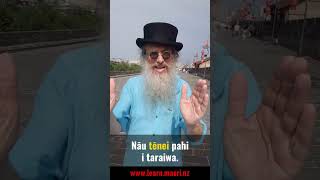
I taraiwa a Rangi ki te hokomaha kia hoko kai ai ia.
Rangi drove to the supermarket to buy food.
E kore te kurī whai momo e ngōke ki tōna ruaki kai ai.
A healthy dog does not crawl into its own vomit to eat.
Āhea koe kai ai?
When will you eat?
He tangata kai paipa koe, ehara rānei?
Are you a smoker, or not?
Mauria maiērā rīwai kia kai ai tātou katoa
Bring those potatoes in order that we may all eat
Tōku reo, tāku kai.
My language, my food.
Kei te kai a Hera i ngā kūmara.
Hera is eating the kūmera.
Kei te hiahia ahau kia kai koe
I want you to eat (I wish that you should eat)
Kei te kai rāua i ngā kūmera.
They (2) are eating the kūmera.
Ko te kai te mea nui.
The food is the important thing (Eating is the main thing).
Āta tapahia ō mīti, kei purere ngā kai ki te papa.
Cut your meat carefully, or the food might all fly off onto the floor.
Ka haere māua ki te hōtēra, kai ai
we will go to the hotel to eat (there at)
Nā te matekai, ka hoko ai au i te kai.
Because of hunger, I bought food.
Hokona he kai kia kai ai rātou katoa
buy some food so as they may all eat (in order that they might all eat thereby)
Ka rūrū rātau, ā, ka haria te manuhiri ki te kai (Kāretu 1974:10)
They shake hands and the visitors are taken to have a meal
Āta kai, kei rāoa koe.
Eat carefully or slowly, so that you don't choke.
Pau katoa i a ia te kai.
He finished up all the food.
Haria he kai mā tātou!
Bring some food for us!
Kua reri te kai!
The food is ready!
Ki te kore koe e kai, ka matekai koe.
If you don't eat, you will be hungry.
He tōtara wāhi rua, he kai nā te ahi.
A tÅtara split in two is food for the fire.
Kua kai kina koe?
Have you eaten kina?
Nāku i tiki te kai.
It was me who fetched the food.
Te mahi a te kai.
Lots of food.
He pai te kai nei.
This food is good.
Ko Wiremu ki tana kāinga kai ai.
Wiremu was at home eating.
Homai te koko e kai ai te tamaiti i tana hupa.
Give me the spoon with which the child eats her soup.
Kai pai tō mahi.
Have a good time at your work.
Ki te kai koe, me horoi ō rīhi.
If you eat, you should wash your dishes.
Kei te kai ahau
We could translate this as
Māu te kai e whakarite.
You bless the meal.
Kāore au e kai ana.
I was not, am not or will not be eating
He tītī tētahi kai tino reka ki te korokoro Māori.
Mutton-bird is a very pleasant food to the Māori palate.
Kua kai kōrua ?
Have you two eaten?
Kāhore anō māua kia kai.
We have not eaten yet.
Ka whāia te wahie mō takurua, ka mahia te kai mō tau.
Firewood for the winter is gathered, food for the year is prepared.
He kaha atu a Tū i a Pou ki te kai.
Tū eats more than Pou.
I kai a Wiremu i te hēki.
Wiremu ate the egg.
Kua pau te kai a ngā hoa, katikati tonu ana a Tama-te-kapua.
His friends have finished their food, but Tama-te-kapua nibbles on.
Kua toru kē ngā rā kei roto i te wai mātao rā, ā, kua tika mō te kai.
After the olives have been in cold water for three days, they are right for eating.
Nā Wiremu i kai te hēki.
William ate the egg.
Nā Rangi te keke rā i kai.
Rangi was the one who ate the cake.
Ehara nā Wiremu i kai te hēki.
William didn’t eat the egg.
Tēnā koe i te kai.
Thanks for the food.
Kua kai koe i te pāua?
Have you eaten pāua?
Kia āta kai.
Eat nicely.
Kei te haere ia ki te marae ki te tunu i ngā kai mō te hui.
He is going to the marae to cook food for the meeting.
Kāorɛ au I kai.
I did not eat.
Mā Rangi te keke rā e kai.
Rangi will be the one who will eat the cake.
Kei te rere te rūrū ki te rākau ki te kai i ngā ngārara.
The rūrū is flying to the tree to eat the insects.
Kāorɛ au I te kai.
Either I am not eating or I was not eating
Kua kai koe i te tītī?
Have you eaten mutton bird?
Ka kai au.
I will eat.
Kia ora māmā mō te kai pai nei.
Thanks mum for this good food.
I tunu te tane i te kai, ā, kei te kai te whānau.
The man cooked the food and the family ate.
He aha koe *e* kai ai?
Why will you eat.
Kua kai tā rāua tamāhine i āna rīwai.
Their daughter has eaten her potatoes.
Kei te kai te kurī i te mīti kau. Kei te koa ia.
The dog is eating beef. He is happy.
Kāorɛ au *e* kai.
In the future, i *will* not eat.
Ko te parehe, ko te parāoa anō hoki aku tino kai.
Pizza and bread are my favourite foods.
Kei te hiakai koe, pēpi?
Do you want to have kai, baby?
Kāore au a pai ki te oma ā muri i te kai.
I don't like running after eating.
I a au e hapū ana, i manako au ki ētahi kai tino rerekē nei.
When I was pregnant/During my pregnancy/pregnancies, I had some weird cravings.
Anei. E kai.
Here you are. Eat up.
He pai tēnei kai, nē?
This food is great, eh?
Kāorɛ a Mere e kai i te mīti.
Mere will not eat meat.
Kua kai rātou
They have eaten
Kia kaha te kai.
Eat up.
He tino mōhio ia ki te mahi kai i te moana.
He is very knowledgeable about gathering food from the sea.
Taihoa rā e mahi, kia maoa mai he kai.
Let the work wait until some food has been cooked.
Tā te rangatira kai.
The chief's food.
Kei a Rangi ā tātou kai.
But if Jude will have our food in his possession we could say
E kai ana rātou
They are eating
Kua kai kānga wai ia.
He's tried fermented corn.
Hei a Jude ā tātou kai.
Now this is different from saying
Kāhore rātou e kai ana
They are not eating
Kei te kai rātou ki konei.
They (3+) are eating here.
Te kai a ā rāua kurī.
Their dogs' food.
Kei te pīrangi kai te kōtiro nei.
The girl wants to eat.
Kei te kai rātou
They are eating
Heoi anō tāna he kai pia.
All he does is drink beer.
Nā tērā kurī ā māua kai i tāhae.
That dog stole our food.
He kai anō māu?
Do you want more?
Kei te hiakai ahau, nō reira, ka kai au.
I am hungry, therefore I will eat.
Taihoa tātou ka kai.
Soon we will eat.
Ka kai rātou
They will eat
Ko Paki te tamaiti e kai ana i te aihikirimi
Paki is the child eating the ice cream.
Mā ngā iwi katoa e kai, kia mate ai ngā iwi katoa, kei ngā iwi o Tuere te mana, te atua.
at the(pl) bones of Tuere the power the supernatural They would all eat the fish, and all of them would die, slain by the supernatural power of the bones of Tuere.
Kei te tunu a Mere i te kai.
Mere is cooking the food.
Kāore e taea te taraiwa tika me te kai hamupaka anō.
You can't drive properly whilst at the same time eating a hamburger.
Nā te kurī ngā mīti i kai.
The dog ate the meat.
Kei te kai te pēpi.
The baby is eating.
Mā te kurī ngā mīti e kai.
The dog will eat the meat.
He kai a Rangi tēnei.
This is Rangi's food. (LIterally: the food of Rangi.
I haere au ki te toa, a, ka hoko au i te kai.
I went to the shop and subsequently i bought food.
Kāore koe i kai i tō parakuihi?
Didn't you have your breakfast?
"Katoa tō mātou kapa e tino manawanui nei i te āheinga a te hunga reo Māori ki te whakamutu i ā rātou mahi hoko kai i roto i te reo, i te āheinga hoki mā te whānui me te whāroa o ā mātou toronga, ka āwhina kia whakarauora i te reo, ā, kia whakamahia e ngā whakatipuranga kei te pihi ake."
"Our entire team is incredibly proud that not only can te reo Māori speakers now complete their shopping in their own language, but that we can use our scale and reach to help ensure te reo Māori is revitalised and used for generations to come."
He ngenge pea nōu, ka kore e hia kai?
Maybe you are tired, will you not eat?
I tākaro ngā tamariki, ā, ka haere rātou ki te whare, ā, ka kai rātou.
The children played, subsequently, they went to the house and then they ate.
Kua toru kē ngā rā kei roto i te wai mātao rā, ā, kua tika mō te kai (Pōtatau 1991:156)
After they (olives) have been in cold water for three days, they are right for eating
I runga ngā momo kai katoa i te tēpu.
All kinds of food were on the table.
E whai i muri i a Rehua, kia kai ai koe i te kai.
Follow after Rehua so that you may eat.
E pā, me tīmata te whakamōmona i ngā poaka ināianei, kia whai kai ai mō te hākari.
for the feast Friend, fattening the pigs should begin now, so that there will be enough food for the feast.
He kai anake pea te mea e pahure i tērā.
Perhaps the only thing he is accomplished at is eating.
He whakaako tana mahi i ngā tamariki o te kura o Te Kaha ki te tao kai.
Her job was to teach cooking to the children of the Te Kaha school.
Kāore au e rata ki tēnā kai – he kawa ki taku korokoro.
I don’t like that food – I find it unpleasant.
Kia tae mai koe, ka kai (ai) taatou
When you get here, well have a meal
I kai ia i te āporo
She ate the apple
Kua kai kānga wai koe?
Have you tried 'rottten corn'?
Ka kai te wahine
The woman will eat, ate, eats (according to context)
Koinei taku tino kai.
This is my favourite food.
Inaa tae mai koe, ka kai ai taatou
When you get here we’ll have a meal
I haere ahau ki te hokomaha, kātahi ka hoko ahau i te kai.
I went to the supermarket, and then I bought the food.
He pēkana te kai pai ki a au.
Bacon is what I like.
Hei toou tae·nga mai, ka kai ai taatou
When you get here, we’ll have a meal
Ka haere ahau ki te hokomaha, kātahi ka hoko ahau i te kai.
I will go to the supermarket, and then I will buy the food.
Āe, i haramai ki konei ki.te kai i ā.tātau tamariki.
Yes, it must have come here to eat our children.
He keke te kai pai ki tōku hoa.
Cake is what my friend likes.
I mahi kai mātou i mua i te hui.
We prepared food before the meeting.
Ki te kai ngā tamariki i te keke, ka harikoa rātou.
If the children are eating the cake, they are happy.
Hei aha ngā toenga kai?
What the leftovers for?
E kore rawa a Tia e kai i te kūtai.
Tia will never eat mussels.
Ka mahi te iwi i te kai, ka kawe maa Poroumaataa i te hinu, i te ika, me eeraa atu kai katoa
When the tribe procured food, they brought for Poroumata game, fish, and all other kinds of food