would break in pieces in his hands’ (TWh, 22)
Tae tonu atu ia, ka moe.
As soon as he arrived he slept. — 139
Koia te waiata i waiata ai ia.
That is the song which he sang.
I hiamoe ia.
He or she was sleepy.
I whakawhiti atu a ia me te mea nei ki te poohi i tana reta
He crossed over as if to post a letter
I pātōtō ia i runga i te tēpu.
She knocked on the table.
Ka hiamoe ia.
He or she will be sleepy.
I tino harikoa ia.
He or she was very happy.
Ka haere ia i te huarahi me te kaha ki te whiowhio haere
He walked down the road whistling loudly
Ahakoa kāore ia i konei, me tīmata te hui.
We should start the meeting even though he’s not here.
I pātōtō tonu ia i runga i te tēpu.
She kept knocking on the table.
He tangata hūmarie ia, nē?
He's a nice bloke, eh?
Kei te horoi ia tana kurī.
She is washing her dog.
I mokemoke ia.
He or she was lonely.
Ka tino harikoa ia.
He or she will be very happy.
E totitoti haere ana ia ānō nei kua whara.
He was limping along as if he was injured.
I whakatangi ia i tana puutoorino kia kite·a ai ia
He played his flute so that he would be found
Ka rongo tonu ia i ngā turituri.
He heard a prolonged noise.
I waiata ia i taua waiata.
He sang that song.
Mai i te mutunga o tana mahi, tae noa mai ki tana matenga, i Pōneke ia e noho ana
He lived in Wellington from the time of his retirement until his death
Kei te kauhoe ia.
She's swimming.
Ka mokemoke ia.
He or she will be lonely.
I tino riri ia.
He or she was very angry.
I tere tana haere kia kore ai ia e tae toomuri
She walked quickly so that she wouldn’t be late
Ahakoa tae atu ia ki hea, i tino manaakitia.
Wherever he went, he was very well looked after.
Kua ora i a ia i te rongoā
She is well from (by or through) the medicine
I māuiui ia.
He or she was sick.
Ka tino riri ia.
He or she will be very angry.
I haere ia ki te wharepaku.
She/he went to the toilet.
I tino māngere ia.
He or she was very lazy.
Ka kōrero māua ko Mere ki a ia.
Mere and I spoke to him.
Ka mea atu ia ki a Mea kia meatia ngā mea katoa ki mea wāhi
She told so-and-so to put all the things in such-and-such a place
I peka atu ia ki a rātou mō te wā poto noa iho
She visited them only for a short time
Kei te horoi ia i te motoka.
He is washing the car.
Kua hoki mai a ia.
She has returned to us.
Ko Ponga te mea i mihi puku ki a ia.
Ponga admired her silently.
I māharahara ia.
He or she was anxious.
Ka tino māngere ia.
He or she will be very lazy.
Ka tau ia ki te tuarongo moe ai
She betook herself to the inner end of the house to sleep
Ko te hiahia o Kupe, kia tae rawa atu ia ki Aotearoa.
It was Kupe’s wish to get right to New Zealand.
He aha ia i moe ai i te hui?
What was the reason for him sleeping in the meeting, ir:
Ka kōrero a Matamata i ngā kōrero i rongo ia.
Matamata told the stories he had heard.
Kātahi ka haere ngā tāngata o Waikato ki ia iwi, ki ia iwi o tātou, o te Māori.
Then the Waikato people went to each tribe of us Māori people.
Ka māharahara ia.
He or she will be anxious.
I tino pukuriri ia.
He or she was very grumpy.
Ka haere ia ki te kiitini tao ai i ngaa kai
She went to the kitchen to cook the food
Ko Haora iā tomo ana ki ia tēnā whare ki tēnā whare.
As for Saul he entered each house. (For ‘each,’ see 19.22.)
I harihari ia i tō rāua tūtatakitanga.
He was glad at their meeting.
I pukumahi ia.
He or she was busy.
Ka tino pukuriri ia.
He or she will be very grumpy.
Ka tunu ia i te kai.
He will cook food.
Ka whakatūpou ia, ko tōna upoko ki raro, ko ana waewae ki runga ki te pana i tōna pāpā i a Rangi.
He bent down and placed his head on the ground, and threw his legs up to the sky onto the body of his father, Rangi, so he could push.
Kāore ia e karanga ana.
He or she was not, is not or will not be calling.
Ka haere noa iho ia.
He just wandered along (around).
I tupu tōna pukuriri i roto i a ia.
His anger grew within him.
Ka tuku ia i te kurī.
He releases the dog.
Ka pukumahi ia.
He or she will be busy.
I tino pōuri ia.
He or she was very sad.
Kāore ia e kia i te kai.
He will not cook food.
I karanga ia.
He or she called.
Ahakoa aruaru te tāne i a ia, kīhai a ia i pai atu ki ērā.
Although men wooed her, she didn’t like any of them.
Ko te toki e tuaina nei e ia te rākau he toki pounamu.
The axe with which he is cutting down the tree is a greenstone axe.
Ka waea mai ia i te weherua pō.
She rung me at midnight.
I patua e ia ki te ngākaukore.
He killed it heartlessly.
I āwangawanga ia.
He or she was worried.
Ka tino pōuri ia.
He or she will be very sad.
Kua titiro mai te iwi rā ki a ia.
The tribe had been looking at her.
Ka āwangawanga ia.
He or she will be worried.
I tino wera ia.
He or she was very hot.
Kōrero ai ia.
She always talks.
Ahakoa te kaha o ngā nehi ki te tiaki i a ia, kāore ia i ora.
Although the nurses worked hard to look after him, he didn’t live.
Kua piki tana utu ki te whā tekau mano tāra ia tau, ia tau.
His salary has gone up to forty thousand dollars a year.
Kei te horoi ia i tana kuri.
She/he is washing her/his dog.
E kiriweti wahine ana ia.
He hates that woman.
.. kia kawea anō e Ponga ki te tangata i tukua mai ai taua patu rā ki a ia e te matua o Puhihuia
.. so that it could be carried back by Ponga to the man who that weapon was given to by
He āhua mate ia.
He is somewhat ill (He is a bit sick).
Ko ia te tipuna o Ngāti Porou.
He is the ancestor of Ngāti Porou.
Ka tino wera ia.
He or she will be very hot.
E kore ia e karanga.
He or she will not call.
Ka tonoa e ia a Pita rāua ko Hoani kia mea, “Tikina te hapa mā tātou kia kai ai, kia inu ai.
He gave instructions to Pita and Hoani saying, “Fetch supper for us so that we may eat and drink.
I auau tā mātou akiaki i a ia kia whakaoti i tana tuhinga roa
We frequently urged him to finish his thesis
Kei te tuhi au i taku reta kia a ia.
I am writing my letter to him.
Ka whakatā ia.
He or she will be relaxed.
I tino makariri ia.
He or she was very cold.
Kāore (anō) ia kia karanga.
He or she has not (yet) called.
I kōrero ai ia.
She always used to talk.
E haere ana ia.
He or she was, is or will be going.
E tuhituhi reta ana ia.
She is letter-writing.
Ka ara a ia.
He got up.
Ka karanga ia ki ngā manuhiri.
She will call to the guests.
I harikoa ia.
He or she was happy.
Ka tino makariri ia.
He or she will be very cold.
Mehemea i tae mai ia, ka kite au
If he had come, I would have seen [him]
Tērā a Tūrongo kei te tatari kia hauhaketia tana kūmara, ā, kia mene mai i a ia ngā kai pērā i a Whatihua, ka karanga ai a ia kia haria mai a Rua-pū-tahanga.
Meanwhile Tūrongo was waiting for his sweet potatoes to be harvested, so that he would have food stored up like Whatihua, at which point he would send for Rua-pū-tahanga.
Ka harikoa ia.
He or she will be happy.
Ia Rātapu, ia Rātapu haere ai rātou ki te whare karakia.
Every Sunday they go to church.
Ka mea a Hinemoa, ‘ki te mea ka tonoa atu he karere ki a Tūtaane-kai e kore pea ia e pai mai ki ahau.
If I send a messenger to Tūtaane-kai, perhaps he will not like me.
I haere tonu ia.
He still went.
I riri ia.
He or she was angry.
I whānau ia i te wāhi.
He was born at the place.
= Ehara i te mea he tohunga ia ki tēnei mahi.
This idiomatic form looks the same as the previous one, but ‘mā’ or ‘ngā’ is not included.
Kei te hohipera ia inaianei.
She's at the hospital now.
Kei te āwhina ia i āna tamariki.
She is helping her children.
Ka riri ia.
He or she will be angry.
Ia pō mātakitaki ai a Tracey i a Shortland Street.
Each night Tracey watches Shortland Street.
E kōrero ai ia.
She is always talking.
Ka kōrero ia ki tētahi atu āpiha.
He talked to another officer.
He mōhio atu ia i a Rewi.
She is more knowledgeable than Rewi.
Ka whara ia.
He is hurt.
Mā reira pea a ia ka tono ai i tana kōtiro ki te kawe wai māu.
Perhaps she will order her daughter to fetch water for you.
I māngere ia.
He or she was lazy.
Ka māngere ia.
He or she will be lazy.
Kawea ana ia ki roto ki te whare o te tohunga.
He was carried into the house of the priest.
= Ka whakahau ia kia kaua rātou e haere atu i Hiruharama.
The woman hid the letters in order that the children might not know the truth.
I pukuriri ia.
He or she was grumpy.
Ina tahuri mai ia, kii·ngia atu kia tatari
If he calls in, tell him to wait
Ko ia tētahi o tō tātou rōpū.
She is one of our group.
Kei te pai ia.
She's okay.
Kua mutu i a ia te peita whare.
She has finished painting the house.
Kei konei ia tae noa ki te Mane,.
She's here till Monday.
I moe ia i runga i te papa raakau naa wai ka mamae tona tuaraa
He slept on the bare boards and so he got a sore back
Waha ana e ia ki tō rāua whare, ka horoia ōna patunga.
She carried him to their home and bathed his wounds.
I te hāngaatanga o Te Karaiti ki a ia, ka titiro ake (Pōtatau 1991:164)
When Christ came up to where he (Zacchæus) was, He looked up
I rapu haere ia i ana kī
He went around looking for his keys
I haere ia.
She went.
I pōuri ia.
He or she was sad.
Kei te whakamā ia.
He is embarrassed.
I noho ia i runga i te maunga i te poo, naa reira i hemo ai i te makariri
He spent the night on the mountain, and so he died of cold/exposure
Kei te whakarongo ia.
He is listening.
Kāora ia i haere.
She did not go.
pai·nga moo te motu naa reira ia ka whakaari·a hei mema paaremata
Because he was such a good man, and had done so much for the people, they nominated
Ko ia te matua o ngā tamariki e mātakitaki mai ana.
He is the father of the children who are watching.
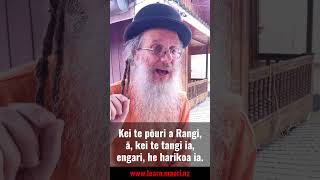
kei te pōuri a Rangi, ā, kei te tangi ia, engari, he harikoa ia.
At the moment Rangi is sad and the ia crying now, but, actually he is really a happy person.
He aha ia e ako ai?
Why will she learn?
Ko te huarahi tuatahi i whakamātau ai ia hei putanga mōna ..
The first pathway he tried as an escape for himself ..
He kaiwhakaako ia, he pēnei anō me ahau.
He is a teacher, just the same as me.
= Kāhore rawa ia i mōhio he whanaunga au nōu.
To deny/reject
Kei te tope ia i te rākau.
He is felling the tree.
E pōhēhē a Hoani ke toromi ia, engari ka kauhoe mai he kauhauora.
John mistakenly thought he was going to drown, but a lifeguard swam up.
I wera ia.
He or she was hot.
Nō hea ia?
Where is she from?
Mā Tiare ia e tiki.
Tiare will go and pick him up.
I kite ahau i a ia.
I saw her/him.
Ā haere ana mai rātou ki a ia i ngā wāhi katoa.
People from all around kept coming to him.
Ki a ia, kāore e tika kia whakatūria he whare moni ki Whakatipua.
In his opinion, a casino should not be established in Queenstown.
Ka wera ia.
He or she will be hot.
Kei te ngenge ia.
At the moment she is tired
Ka kōrero mai a Hotunui ki te kino o tōna iwi e noho nei ia.
Hotunui spoke about how bad the people were that he was living among.
Kei te hiakai ia.
He or she is hungry.
I makariri ia.
He or she was cold.
He ngenge ia.
She is a tired person / She is often tired by nature.
I whakamātau ia i te huarahi tuatahi hei putanga mōna.
He tested the first pathway as an escape for himself.
I whakamā anō, nō reira ia i wiri ai.
She was ashamed, and therefore she shivered.
Kei te matekai ia.
He or she is starving.
Ka makariri ia.
He or she will be cold.
He tangata ngenge ia.
She is a tired person.
He aha ia e umere nei?
What is happening now to cause her to shout?
Ia rā, ia rā, ka haere au ki te kura.
Every day I go to school.
Ke hoki ia ki Hawaiki, ka mauria e ia ētahi pounamu.
When he returned to Hawaiki, he took some pieces of greenstone with him.
Kei te hiainu ia.
He or she is thirsty.
E kore pea ia e pai mai ki ahau.
Perhaps he won’t like me.
Kei te māia ia.
He is brave (in this moment).
Ko te teina ia he wahine āhua pai, nō reira i riro ai te tāne i a ia.
The younger sister was a beautiful woman, and so she took the man as a husband.
He māia ia.
He is brave (as part of his character
Kāhore ia i konei.
He is not (was not) here.
Kei te hiamoe ia.
He or she is sleepy.
I te haere ia.
He was going.
Tae rā anō ai ia ki ngā whare herehere.
He used to go even into the prisons.
He tuakana ia.
He is an older brother of a boy
Kei te tiki ia i tētahi rākau hei tokotoko māku.
He is getting me a branch as a walking stick for me.
I te kōrero mai ia ānō nei he tamariki mātou.
He was talking to us as if we were kids.
Whakawhiwhi-a ai ngā tamariki Māori ki tēnei karahipi ia tau, ia tau.
The Maori children are awarded this scholarship every year.
Koia kei a ia mō te akoako!
She/he is great at learning!
Kāore te pōro i mau i a ia.
He didn't catch the ball.
Kāore ia i haere.
He did not go.
I kōrero au ki a ia.
I spoke to her.
Kei te māharahara ia.
He or she is anxious.
Kāore ia i te haere.
He/she was not going.
Kei te pukumahi ia.
He or she is busy.
He hunaonga ia nā Mia.
She's Mia's daughter-in-law.
Kua kōrero au ki a ia.
I have spoken to her.
He tamaiti atawhai ia nā Kauri.
He's Kauri's adopted child.
Kei te waiata ia i te waiata.
She is singing the song.
Kua whiwhi ia i tētahi karahipi
He has got a scholarship
Kei te mōhio au ki a ia.
I know him.
Mei noho atu ia i te pā, e roa te kawenga.
If he had remained in the pā, we would have had a long job.
E mahi ana ia, hei whiwhi moni ai mō tana whānau.
She is working in order to earn money for her family.
I a ia e haere atu ana, ka kitea mai e ōna tuākana.
As he was going, he was seen by his older brothers.
He tāokete ia nō tāku wahine.
He is a brother-in-law of my wife.
He nui ngā raruraru kei runga i a ia.
He has a lot of problems.
Inahea koe i kōrero ai ki a ia?
When did you talk to her?
Kua haere atu ia.
He has gone away.
I tuhi ia i te reta, hei whakamōhio ai i a mātou.
He wrote the letter to inform us.
Kei te kimi ia he whare mōna
He is looking for a house for himself
Kei te mātakitaki ia i ērā tāngata.
She's watching those people.
Ka hokona e ia te kurī rā mō te rua rau tāra.
He sold that dog for two hundred dollars.
Kua haere kē atu ia.
He has already gone away.
Ko te kaimahi ia.
He or she is the worker.
He tangata koa ia.
He's a happy chappy.
Kei te ora ia.
At the moment, he or she is well.
Ahakoa tae atu ia ki hea, i tino manaakitia
Wherever he went (no matter where he went), he was very well looked after
Kei te māngere ia.
He or she is lazy.
Kāore i ngaro i a ia āna hītimi.
She didn't lose her marbles.
Kua haere kē atu ra ia.
He has already gone away there.
Ko te rangatira ia.
He or she is the chiefly person.
Ka waiara ia.
She will sing.
Noho ana ia, tunu manu ana māna
he sat down and roasted birds for himself
Ehara ia i a Manu
Levels 1 and 2
Waiata ai ia.
She regularly sings.
Hoatu ēnā taputapu ki a ia.
Give those tools to him.
Pērā-tia ana e Toi me tā Kahukura i kī atu ai ki a ia.
Toi did as Kahukura had told him.
Ko ia tōku teina.
She is my younger sister.
Kei te pōuri ia.
He or she is sad.
I reira, ka kitea e ia he pounamu i Arahura.
There, he saw greenstone at Arahura.
Kore rawa ia e hoki mai ki a tātou.
He will never come back to us.
E takoto ana ia i te whenua.
He is lying on the ground.
Kāore he tangata i tua atu i a ia.
There's no one apart from him.
I reira, ka kitea e ia tētahi pounamu i Arahura.
There, he saw a piece of greenstone at Arahura.
Ka mea iho ia, ‘Nui atu te pai!
Very good!
Ko ia!
He is!
Kei te makariri ia.
He or she is cold.
Kei te kōrero ia.
She is talking.
Kua haere ia.
He's gone.
He mōmona ia i mua.
She was fat previously.
I te kōrero ia.
She was talking.
Ka hoki ia ki Hawaiki, ka mauria e ia ētahi pounamu.
When he returned to Hawaiki, he took some pieces of greenstone with him.
I whakaorangia ia e te kāpene.
He was saved by the captain.
Ko tāku mahi ia rā, he haere ki te tupuna whare.
Every day I went to the ancestral house.
No Paikea ia.
(He is descended from Paikea.)
Engari he tūpuhi ia ināianei.
But, she's skinny now.
I kōrero ia.
She spoke.
Ka kī atu ia ki a rātou.
He spoke to them.
I hiahia ia ki te mea.
He wants the thing.
Kua kai hikareti ia?
Have she ever smoked?
Kei te patu ia i tana kurī.
She is beating her dog.
E rapu ana ia i tētahi rangimārietanga.
He is looking for peace of mind.
I whakahoki mai rātou ki a ia.
They replied to him.
māua i a ia.
We were frightened by him.
Kei te patua e ia tana kurī.
Her dog is beaten by her.
Kua kai ia i tā tāua kai.
He ate the food that belongs to you and me.
Ka whakaora te tākuta i a ia.
The doctor will heal him.
He kaha ia ki te pānui pukapuka nē?
She/he's good at reading eh?
Ka haere ia ki te kura e ako ai tana tamāhine.
She will go to the school where her daughter studies.
E kōrero ana ahau ki a ia.
I am talking to him.
I oma ia i tērā wiki
He/She ran last week
I te māuiui ia i tērā wiki, engari i nāianei kua ora mai anō
He was sick last week, but now he’s got better again.
Kia ora ia.
May he be well.
Ā te ata ahau e kōrero ai ki a ia.
I will talk to him in the morning.
Ā i ia rā e whakaako ana ia i roto i te temepara.
And every day he was teaching in the temple. (Luke 21:37)
Ka hiahia ia kia noho ōna hoa.
He wished that his friends would stay.
I titiro ia ki a tāua.
She looked at us.
E whakakite ana ia i ana kete ki ngā manuhiri
She is showing her/his kits to the guests
He tino ātaahua ia.
She is very beautiful.
ia rāua rātou
It seems to be often the distinction in the 1st person, between ‘inclusive’ and ‘exclusive
Kia ora ia, ka haere atu ahau.
When/once he is well, I will go.
Ā whakaako ana ia i te temepara i ia rā, i ia rā.
And he taught daily in the temple. (Luke 19:47)
Kei te oma ia?
Is he/she running?
He tūpuhi rawa atu ia.
She's too thin.
I oma ia?
Did he/she run?
Me i konei koe kua kite koe i a ia.
If you had been here, you would have seen him.
Ia rā, ka peka atu a Tony ki te kāuta o ngā kaumātua.
Every day Tony visited the kitchen of the elders.
I patua ia e tērā wahine kūware
She was hit by that ignorant woman
E oma ana ia?
Is he/she running?
Ko ia taku autāne.
He is my bro in law.
Kei te waiata ia.
At the moment, she is singing.
He kaha ia ki te mahi
She is strong at working. (i.e. She’s a hard worker.)
Kia tae mai ia, ka kai tātou.
When/once he arrives, we'll eat.
I haere ōna mātua i ia tau, i ia tau ki Hiruharama ..
His parents went to Jerusalem every year .. (Luke 2:41)
I oma ia i tērā wiki?
Did he/she run last week?
Kua tūtaki koe ki a ia?
Have you met her?
Auē, te āhua nei e pīrangi ana ia ki te moe.
Gosh, he looks like he needs to sleep.
I wareware ia ki te raka i te kūaha.
He forgot to lock the door.
He tino mōhio ia ki te mahi māra
She’s very knowledgeable when it comes to gardening/growing veges.
Kua hōmai ia i te pukapuka ki ahau.
He has given the book to me.
E aru kōrua i a ia ki tōna whare.
You will follow him to his house.
Kua oma ia?
Has he/she run yet?
Engari, kei te mahi tonu. Koia kei a ia ki te mahi!
But he is still working, what a champ!
Hāunga ia te tumuaki, ka tino hari katoa.
Except for the principal, everyone was happy.
Kei roto ia i te motokaa raa
She is in that car
Kua whiwhi ia i tētahi karahipi.
He has received a scholarship.
Kua hōatu ahau i te pukapuka ki a ia.
I have given the book to him.
Tērā kōrua e aru i a ia ki tōna whare.
You will follow him to his house.
E karanga ana ia i a rātou.
He is calling (summoning) them.
Ka oma ia āpōpō?
Will he/she run tomorrow?
Kei te kōrero ia mā mātou.
She is speaking for us.
Ka tū ia, ā, ka kōrero.
He stood and spoke.
He kaha/kino ia ki te pīhau.
She’s a great one for quietly blowing off (and not saying anything/owning up to it).
Kāore ia i paku aro mai ki te kōrero a te kaiako.
She didn’t pay the slightest attention to what the teacher was saying.
Kua whiwhi moni ia.
He has received some money.
Ā, i a ia i tomo ai anō ki Kaparernauma i ētahi rā mai, ka rangona kei te whare ia (Mark 2:1)
When he returned to Capernaum some time later, word went round that he was in the house
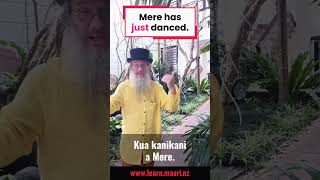
Kia hāmama tētahi ki a Mere, ka tangi ia.
Whenever someone yells at Mere, she cries.
Ko ia.
He is.
Kua whakawhiwhia ia ki tētahi karahipi.
He has been awarded a scholarship.
I mokemoke ia i te ngaro o tō māua hoa.
He's lonely as a result of the absence of our (2 inclusive) friend.
Kei te haere atu au ki te hokomaha kia hoko kai ai ia.
I am going to the supermarket in order that she can buy food.
Kīhai ia i karanga.
He or she did not call.
Kia māuiui ia, ka noho ia ki te kāinga.
Whenever he is sick, he stays at home.
Ina tahuri mai ia, kīngia atu kia tatari.
If he calls in, tell him to wait.
Ka kite ia i a Hēmi i te kaipuke.
He saw James on/in/at the sailing vessel.
Rite tonu ia ki tōna kuia ki te karanga.
She's just like her grandmother at doing the karanga.
Kāore ia i karanga.
He or she did not call.
Kua mahue ia.
She was left behind.
Kia kite ia i tana kurī, ka kata ia.
Whenever she sees her dog, she smiles.
E whakakite ana ia i ana kete ki ngā manuhiri.
She is showing her baskets to the guests.
Ka karangahia atu e mātau te Ārapi rā, kia haere mai me kore e taea e ia te whakaatu mai (Pōtatau 1991:177)
We called out to that Arab to come over in case he could show us
Rapua a Ihowa kei kitea ana ia. Karangatia atu kei tata ana mai ia (Isaiah 55:6)
Seek the Lord while He may be found. Call upon Him while He is near
I tuhi ia i tētahi reta ki tōna hoa.
She wrote a letter to her sweetheart.
Me kōrero koe ki a ia kia mōhio ai ia.
*You* should talk to him so that *he* knows.
Nā tōna mate i kore ai a ia e kai.
It was his illness which caused him to abstain from food.
Rumaki rīwai ai a Hata mā ia kōanga, ia kōanga.
Every spring Hata and the others planted potatoes.
mōna rā te oriori rā, ko wai ia, ko wai ōna tīpuna.
In the past, it was usually these songs which showed the child for whom the song was composed who he was and who were his ancestors.
Kua mahue ia i te tereina.
She was left behind by the train.
Kāhore ia i karanga.
He did not call.
I mate ia.
He was ill.
I mahue ia i te pahi.
He was left behind by the bus.
Kāhore rawa ia i mōhio he whanaunga au nōu.
He never knew that I was a relative of yours.
Kātahi anō a Rupe ka whakakūkupa i a ia.
Then, for the first time, Rupe turned himself into a pigeon.
E horoi kākahu ana ia.
She is washing clothes.
I kōrero kaha ia kia rangona ai tōna reo.
He spoke loudly so that his voice could be heard.
Kia kite rā anō au i a ia, ka whakapono au.
I won't believe it until I see him/her.
Kāore anō ia kia haere
He/She has not gone yet
Ārā ia!
There he/she/it is!
Rite tonu ia ki tōna kuia te riri.
She is just as bad-tempered as her grandmother.
Kāore ia i te oma?
Is he/she not running?
Ka mea atu ki a ia, ‘He aha koe e tangi nā?
Why are you weeping?
Kāore ia i te moe?
Is he/she not sleeping?
Ka pai ia ki tāna pia.
He likes his beer.
Kāore ia e tākaro ana?
Is he/she not playing?
Kei te titiro ia ki a au.
He's looking at me.
He tino mōhio ia ki te mahi kai i te moana, arā ki te ruku mātaitai me te hī ika.
He is very knowledgeable about gathering seafood, that is diving for shellfish and fishing.
I kōrero tonu au ki tōku hoa wahine kia mahue ia i te pahi.
I kept on talking to my girlfriend so that she would be left behind by the bus.
Kāore ia i oma i tērā wiki?
Did he/she not run last week?
Āna, i haere ia inapō, nē rā?
Yeah, he went yesterday, eh?
Kei Kawatiri ia.
She is in Westport.
Ākuanei ka tūtaki i a ia. Heoi anō, ahau tēnā, Aaron Henare. Ko taku tētahi ingoa poto, ko Matua Azza. Mehemea e hiahia ana koe ki te tuku te ingoa poto, Matua Azza, e pai ana ki ahau.
We’ll meet him shortly. Anyway, that is me, Aaron Henare. One of my short names is Matua Azza. If you would like to use my short name, that is fine with me.
Ina tae te tangata rā ki tāwāhi, ka mate ia.
When that man reaches the other side he will die.
Kāore ia e oma āpōpō?
Will he/she not be running tomorrow?
I hoatu te tākuta i ētahi rongoā ki te kōtiro māuiui kia ora ai ia.
The doctor gave the sick girl medicine so that she will be well. This is is intended outcome marked by kia ai with a stative: ora.
Heoi ākina ana e rātou a Tēpene ki te kōhatu me ia e karanga ana ki te Ariki.
However Steven was assaulted by them with stones (at the same time) as he was calling to the Lord.
I whakamā ia i tana kaha pōrangi
He was ashamed that he had been so stupid
Kīhai a ia i āta mōhio ki te ara ki te puna wai.
He didn't really know the path to the spring.
Kāore anō ia kia oma?
Has he/she not run yet?
He tūmau ia.
She is steadfast.
He pakeke ia.
He's an adult.
Kua poro·ngia te raakau e ia ki te toki
He has felled the tree with the axe
Ia rā, ia rā, oho ai au ki te horoi i ngā kākahu.
Every day, I always get up to wash the clothes. (Māori Dictionary)
E kore a ia e hoki mai i a Ponga.
She will never return to us from Ponga.
Ko wai ia e pātōtō ana i taku tatau?
Who is it knocking on my door?
He tangata poto ia.
He is a short person.
Ke mea mai ia, ka pai tana kaiako ki te waiata.
He says that his teacher is good at singing.
Kāore ia i te tangi
He is not crying.
Ka mea atu ia kia kai rātou.
He told them to eat
Ka kite ia i te tīwīwaka.
He sees the fantail.
Kāore anō ia kia whara?
Has he/she not hurt himself/herself yet?
He tangata tāroaroa, he tūai, he kaha ia!
He is a tall person, skinny and strong!
I a ia āku pukapuka?
Did he have my books?
i ia rā i ia rā
on each day
He ihu oneone ia.
She is a hard worker (lit: she has a soiled nose).
Kua hoki ia.
He has returned.
Ka kōrero te Kīngi ki ia hōia ki ia hōia.
The King talked to each soldier.
Kei te mau ia i panekoti.
She is wearing a dress.
Ka noho ia ki konei hei tiaki i ngā tamariki.
She will stay here to look after the children.
I oma ia i tērā wiki.
He or she ran last week.
Kei te mau ia i tētahi mau taringa.
She is wearing an earring.
Kua whakahoki ia i te pukapuka.
He has returned the book.
Rite tonu ia ki te hōiho ki te oma.
He runs just like a horse.
Kāore ia i oma i tērā wiki.
He or she did not run last week.
Me haere tāua ki ia whare ki ia whare.
Each other
I whakaae ahau kia āwhina tāua i a ia.
I agreed that we should help him.
Nō te Mane ia i tae mai ai, kaua i te Tūrei
It was on Monday that she arrived, not on Tuesday
Ki te whakaaetia e ngā kaumātua, ka tū ia ki te kōrero
If it is agreed to by the elders, he will stand to speak
He taringa turi ia.
He's got deaf ears.
Kei te kai-tohetaka ia.
She is dandelion-eating.
Ka nui o rātou reo e tono ana kia patua ia.
Their voices were great (loud) demanding that he (should) be killed.
Ka aroha mai ngā manu ki a ia.
The birds take pity on him.
He reka ake te kānga piro ki a ia i te pūhā
He likes rotten corn better than pūhā,
Kei te mau ia i tētahi pōtae kākāriki, i tētahi poraka kōwhai, i tētahi tarau poto me ētahi hū kikorangi hoki.
She is wearing a green hat, yellow jersey, red shorts and blue shoes.
He poto ia.
He is short.
Ko ia tāu irāmutu.
He is your nephew.
Ka hoki mai ia ki te kura hei ako i ngā tauira.
She will return to the school to teach the students.
I.te.mea anō e noho ana ia i reira, ka tupu ake tētahi raruraru.
Because he was staying there, trouble brewed.
Ā, i tōna mōhiotanga no te rangatiratanga ia o Hērota ka tonoa ia ki a Hērota i Hiruhārama hoki ia i aua rā.
And, when he (Pilate) was informed that he (Jesus) belonged to Herod’s province he (Jesus) was sent to Herod as he (Herod) was in Jerusalem in those days.
E kimi ana ia ki te aha?
What's he searching for?
He nui ia.
She is big.
Ehara tāu irāmutu i a ia.
He is not your nephew.
Kei te kai hoki ia i te āporo.
She is indeed eating an apple.
Rite tonu ia ki a au.
He is just like me.
Katahi ia ka haere ki te whare o tōna hoa.
Then he went to his friend’s house.
Kei te tangi koretake ia.
He is crying for no reason at all.
He pakupaku ia.
He is small.
Mehemea kore ia e rīngi mai, me tuhi ahau.
If she doesn’t phone, I’ll have to write to her.
I te karanga riri ia ki ngā taitama.
He was calling angrily to the youths.
Ka whakaaro a Tia ākuanei te tae wawe ai ko Ngātoroirangi ki reira i mua i a ia. (Pōtatau 1991:246)
Tia soon thought that Ngātoroirangi would arrive there before him.
He mōhio ia ki te tārai waka
He is knowledgeable about canoe making
He tere ia.
She is fast.
He ātaahua hoki ia.
She is the most beautiful.
E waiata tika ana ia i ngā kupu.
She is correctly singing the words.
He whakahīhī ia ki tōna mōhio ki te reo Māori
She is proud of her knowledge of Māori
Ko ia taku hoa.
He's my friend.
He pōturi ia.
He is slow.
Ko ia te kōtiro tuarua.
She is the second girl.
Kei te piki ake ia i te rākau.
She is climbing up the tree.
He pai ia ki tana mahi
He likes his work
Ka haere ia ki hea?
To where is he going?
He reka ia.
She is sweet.
Kei te kohi ia i ngā pipi.
He is collecting shellfish.
Kua heke iho ia i tana tūranga.
He has stepped down from his position.
He pai nō tāku noho i patu mai ai ia.
Someone wants to attack because of my excellent situation.
I mauria mai e au āna kai engari e whiu kē ana ia.
I brought his food but he was already satisfied.
He kawa ia.
He is sour.
He ākonga hou ia.
She/he is a new strudent.
He rangatira ia, he ware ahau.
He is a chief, I am a commoner.
Kei te kohi pipi ia.
He is shellfish-collecting.
Rite tonu ia ki te kaiako te riri.
She is angry, just like the teacher.
Kāhore ia i haere ki te kura.
She did not go to school.
Kei te raranga ia i tētahi kete.
She is weaving a basket.
He mōmona ia.
He is fat.
E tiro ana ahau ki a ia.
I am looking at him.
Ka tuhi pikitia au hei koha ki a ia.
I will draw a picture as a present for her.
Kei te raranga kete ia.
She is basket-weaving.
Ka āta kōrero ia i te pānui.
He carefully read the notice.
Ka hoki anō a ia, me te āta haere anō.
He returned, moving deliberately again.
He tūai ia.
She is skinny.
I āhua pai ia.
He or she was somewhat good.
I runga i te paruone ka mahi·a e ia he raina mai i te keeti ki te whare ki
line hither from the gate to the house instr
He koi ia.
He is sharp.
Ka āhua pai ia.
He or she will be somewhat good.
Nā te mate o tōna whaea i hoki ai ia ki tōna kāinga.
It was because his mother was sick that he returned home.
He kaha ia, he nui hoki.
She is strong, and also big.
I āhua āta haere ia.
He drove a bit slowly.
Ka haere mai ngā hōia, ā, ka mauria atu ia.
Exercise 11b
Kei a ia pea?
Maybe he's got it.
He taratara ia.
She is spiky.
I āhua ora ia.
He or she was somewhat well.
Hei kaiako ia.
She will be a teacher.
Kei te tuitui ia i ngā kākahu.
She is sewing clothes.
He kaiako ia, he tauira hoki.
He is a teacher, and a student also.
I mahi pai ia.
He worked well.
I te tū ia.
He was standing.
He mahana ia.
He is warm.
Tū ana anō a ia i roto i te wai.
She was still standing in the water.
Ka āhua ora ia.
He or she will be somewhat well.
Kei te tuitui kākahu ia.
She is clothes-sewing.
Kāore i roa ka mauru tōna riri, ka hoki ia ki rō whare ki te whakapāha ki ōna hoa.
Before long his anger subsided, and he went back inside to apologise to his mates.
I haere ia ki runga ki te maunga.
He went up onto the mountain.
Haere ai rātou ia raumati ki te wāhi i noho ai ō.rātou tūpuna.
They went every summer to the place where their ancestors lived.
He mātao ia.
She is cold.
I āhua hiakai ia.
He or she was somewhat hungry.
Kei te pānui ia i tētahi pukapuka.
He is reading a book.
He hāwareware ia.
He is sticky.
Te rima ngā kura, rua wiki te roa o ia kura.
There are five schools - each school is two weeks long.
Kei te pānui pukapuka ia.
He is book-reading.
Kei te mahi tonu ia.
He is still working.
Riyte tonu ia ki tōna kuia.
She is juts like her nan.
He māeneene ia.
She is smooth.
I tapahi a Ani ia a ia.
Ani cut herself (or Ani cut him/her).
I āhua matekai ia.
He or she was somewhat starving.
Kaatahi ano a Rupe ka whakakūkupa i a ia.
Then, for the first time, Rupe turned himself into a pigeon.
Karangatia ia kia hoki mai ai ia ki te kāinga.
Call him so that he will come back home.
Ehara ia i te kura māhita
He/she is not the school teacher (identity)
I rongo au ki tōna reo kua tino pāpōuri ia i te take rā
I heard in his voice that he was very much saddened by the matter
I tītiro ia ki ngā kākahu ātaahua i roto i te matapihi o te toa.
She looked at the beautiful dresses in the shop window.
He tītaha ia.
He is crooked.
I tautohe ia i hē ō mātou hoariri.
He contended that our opposition was wrong.
Ka āhua matekai ia.
He or she will be somewhat starving.
Ehara ia i te pai
He/she is not good (quality)
Kāore ia i te tū.
He was not standing.
He tōtika ia.
She is straight.
I āhua hiainu ia.
He or she was somewhat thirsty.
E kore ia e āhei te kī atu ki a koe.
He will not be able to tell you.
Kaua e pātai ki a ia!
Don’t ask him/her!
I te kainga o ngā pāua, ka pāterotero ia i te katoa o te pō.
On eating the pāua, he farted all night.
He tika ia.
He is correct.
He hē ia.
She is incorrect.
I āhua ngenge ia.
He or she was somewhat tired.
I haere ia ki te motokaa me tana toko
He walked to the car with the aid of a stick
Haere tonu ia.
He immediately went.
Ka haere ahau ki te āwhina i a ia.
I shall go to help him.
He koretake ia.
He is useless.
Ka āhua ngenge ia.
He or she will be somewhat tired.
Nā te rorohiko ia i mahi ai.
It was because of the computer that he worked.
Ka haere ahau kia kite i a ia.
I shall go to see him.
E mate ana → ia → i te aroha.
She is dying of love.
Kāore anō kia kitea e ia tana tamāhine.
He has not yet found his daughter.
He takatāpui ia.
She is gay.
I āhua hiamoe ia.
He or she was somewhat sleepy.
Ka noho ia ki te whakatā i te manawa.
He sat down to regain his breath.
He rangatira ia.
He is a chief.
Ka āhua hiamoe ia.
He or she will be somewhat sleepy.
Ka pai ia ki te oma
He is good at running
Tangi tonu ia.
She immediately cried.
Me pātai atu ki a Hēmi nā te mea kei a ia te mana.
You should ask Hēmi, because it’s his say-so.
Ina kite koe i a ia, me mihi.
When you see her say hullo for me.
Kei te horoi ia i ōna kākahu
She is washing her clothes
He upoko māro ia.
He's stubborn.
I āhua mokemoke ia.
He or she was somewhat lonely.
Ka hōhā → ia → i a rātou.
She’s fed up with them.
Kua tae mai ia?
Has the dog died?
He wahine matatau ia.
She is a knowledgeable woman.
Kei te kimi whare ia mōna.
He is looking for a house for himself.
Ka āhua mokemoke ia.
He or she will be somewhat lonely.
Kua oti i a Hata te kuti te hipi, ahakoa kaaore a wai i aawhina i a ia?
Hata has finished shearing the sheep although who didn’t help him?
Mōhio ana koe it ia?
Do you know her?
I āhua māuiui ia.
He or she was somewhat sick.
Waiata ai ia i ngā ata.
She usually sings in the mornings.
He aha koe i haere ai ki a ia?
Why did you go to her?
Nāu i hoatu te tikiti ki a ia.
You gave her the ticket.
Ka patua ia e te tamaiti rahi.
Passive translation: He was hit by the big boy.
Ka āhua māuiui ia.
He or she will be somewhat sick.
Nō te mea ko ia tōku hoa.
Because she is my friend.
I kōrerotia pukutia e ia ki a Pou te matenga o Tiki.
Tiki’s death was revealed secretly by him to Pou.
Kātahi ia ka poroaki iho ki te iwi.
Then he bade farewell to the tribe.
Ka herea e ia ā tāua kurī.
He tied up our dogs.
I āhua māharahara ia.
He or she was somewhat anxious.
Rite tonu ia ki te tia ki te oma.
He is just like a deer at running.
He āta haere ia.
He went carefully.
Ka āhua māharahara ia.
He or she will be somewhat anxious.
Kei te taumaha ia.
She is very sick.
Kīhai a ia i hoki mai, ko ana hoa ia i hoki atu i te kupu o te tangata i karanga atu rā.
She did not return; her friends, however, returned at the word of the man who called out.
Ka whakatika a ia.
He stood up.
I āhua pukumahi ia.
He or she was somewhat busy.
He tangata maho ia.
He is a very laid back person.
Ka kawa ia ki te waiata
He is awful at singing
I taua wā, ka tū mai ngā rangatira ki te kōrero ki a ia.
At that time the chiefs stood forth to speak to him.
I te pō kua tārore te tāne i a ia i roto i tōna rūma.
At night the man locked her in her room.
Ko ia te wahine i ako ai au.
She is the woman whom I taught.
Kua roa i ē hiahia ana kia kite i a ia.
He had long wished to see him.
Ka āhua pukumahi ia.
He or she will be somewhat busy.
He tamaiti pai ia i te kura
She is a child who is good at school
Ko ia te wahine i akona ai au.
She is the woman by whom I was taught.
He tama toa ia.
He's a brave boy.
I āhua āwangawanga ia.
He or she was somewhat worried.
Tino pai ia ki te taakaro
She is very good at sport
Ko wai ia?
Who is he?
He kōtiro mōhio ia.
She's an intelligent girl.
E kore ahau e wareware ki a ia.
I will never forget her.
Ka āhua āwangawanga ia.
He or she will be somewhat worried.
Kua pau i a ia ana huawhenua?
Has she eaten all of her veges?
Ka hari ia ki te haere mai
He will be happy to come
I titiro ia ki tēnei pōtae.
She looked at this hat.
Me ona kie ia rā ia rā
You should run every day
E kore rawa pea e kitea anō he tangata e rite ana i a ia te mōhio
We shall perhaps never again see a person as knowledgeable as him, a person who is like him in knowledge
Mō ngā wiki e rua i noho ai ia ki Hāmoa.
He stayed in Samoa for two weeks.
I āhua whakatā ia.
He or she was somewhat relaxed.
I titiro ia ki te pōtae nei.
She looked at this hat.
E mahi ana ia i Pōneke.
She works in Wellington.
E rua ngā wiki i noho ai ia ki Hāmoa.
He stayed in Samoa for two weeks.
Ā muri i ia whaikōrero ka tū ngā tāngata ki te tautoko i te kaikōrero ki tētahi waiata.
After each speech the people will stand to support the speaker with a song.
Ka āhua whakatā ia.
He or she will be somewhat relaxed.
Tino pai ia ki tana whaea
She is very good to her grandmother
Me kōrero tātou i reo Māori ia rā ia rā
We should speak in Māori every day
I āhua harikoa ia.
He or she was somewhat happy.
I whāngai tamariki ai ia.
She fosters children.
Ka āhua harikoa ia.
He or she will be somewhat happy.
Ka taea e ia te motokā te taraiwa.
He is able to drive the car.
He ātaahua ia.
She is beautiful.
I āhua riri ia.
He or she was somewhat angry.
E āhei ana ia ki te taraiwa i te motokā.
He is allowed to drive the car.
I takoto a ia kia moe.
He lay down so that he could sleep.
I mate ia i te iwi o Rangi-houhiri, i a rātou i whakaeke ai i Maketū.
He was killed by the people of Rangi-houhiri when they attacked Maketū.
He tangata weriweri ia.
He is an ugly person.
Ka haere ia āpōpō.
He is going tomorrow.
Ka āhua riri ia.
He or she will be somewhat angry.
Ka taea e ia te motokā te taraiwa, engari kāore ia e āhei ana ki te taraiwa i tēnei wā.
He is able to drive the car but is not allowed to drive it now.
Kei te rata ahau ki a ia.
I like him.
Kua kohia e ia ētahi waiata tawhito.
Some ancient songs have been collected by him.
Kāhore anō ia kia karanga.
He has not yet called.
I a ia taku pene
She had my pen
He kaiako ia i te tērā wā.
She was a teacher then.
Ka pai ia.
He or she will be good.
I āhua māngere ia.
He or she was somewhat lazy.
I koorero ia i teetahi pukapuka aahua kino
He read a rather bad book
E āhei ana ia ki te taraiwa i te motokā, engari kāore e taea e ia te taraiwa i tēnei wā.
He is allowed to drive the car but he is not able to drive it now.
Ka tino rata ia ki te keke.
He really likes cake.
E haere ana ia ki te toa
He/she is going to the shop
I ora ia.
He or she was well.
Kua hoki mai ia.
She has returned (here).
Kei te hīkoi ia ānō nei he ngeru.
He is walking like a cat.
Kua ngaro taku waea, nā reira kei te rapu ahau i a ia.
My phone is lost, so I’m looking for it.
Inanahi ka haere atu ia mai Rotorua ki Pōneke.
Yesterday he went from Rotorua to Wellington.
Ko ia kei te moe.
She is sleeping.
Ka ora ia.
He or she will be well.
I āhua pukuriri ia.
He or she was somewhat grumpy.
E kaha tohutohu mai ana ia ānō nei ko au tana mōkai.
He was ordering me around as if I was his servant.
Ka āhua pukuriri ia.
He or she will be somewhat grumpy.
Kua noho mai ia ki Tāmaki Makaurau mō ngā tau e rima.
She has been living in Auckland for five years.
Ānō nei he tamaiti ia.
He is like a child.
Hei konei ia āpōpō.
He will be here tomorrow.
He toka tū moana ia!
She's a rock!
I āhua pōuri ia.
He or she was somewhat sad.
I tangi ia, ānō nei he tamaiti ia.
He was crying as if he was a child.
Ko konei ia āpōpō.
He will be here tomorrow.
I matekai ia.
He or she was starving.
Ka āhua pōuri ia.
He or she will be somewhat sad.
Pēnei ia he kurī, engari he ngeru.
He thought it was a dog, but it was a cat.
Kei te tangi ia, ānō nei he tamaiti ia.
He is crying as if he is a child.
He karangarua ia ki ahau.
He's a cousin to me.
I mea atu rā hoki ahau ki a koe kua whakapuaretia e ia te kēti ki a tātou.
I told you he would open the gate for us.
I āhua wera ia.
He or she was somewhat hot.
Ka tangi ia, ānō nei he tamaiti ia.
He will cry as if he is a child.
Mā te mōhio hoki o te tangata ki.te kōrero Pākehā e whiwhi moni ai ia ..
It is also through knowing how to speak English that he gets money ..
I hiainu ia.
He or she was thirsty.
He reka ia ki te waiata.
She's sweet at singing.
I āhua makariri ia.
He or she was somewhat cold.
I tae mai ia mā raro.
He arrived on foot.
He rite tonu ia ki te pēpi ki te tangi.
He is just like a baby when it comes to crying.
Ko āna tamariki tonu ki te āwhina haere i a ia (Kāretu 1974:106)
Her own children used to help her
He koretake ia ki te kauhoe!
He's hopeless at swimming.
I haere ia mā, muri i te kaikōrero.
He walked past, behind the speaker.
I whakamā ia i tana kaha pōrangi.
He was ashamed that he had been so stupid.
I ngenge ia.
He or she was tired.
Ka āhua makariri ia.
He or she will be somewhat cold.
Ko ia te tama a Debbie.
He is Debbie's son.
Mau mōwhiti ai ia.
He always wears glasses.
He wahine kē atu ia.
She is an extraordinary woman.
E tangi pēnei ana ia i te tamaiti.
He is crying like a child.
E aha ana ia i te kuri?
What is he doing to the dog?
He kaimahi ia.
He is a worker.
Mau pāhau ai ia? Kāo!
Does he have a beard? No!
I haere ia ki te kura.
She went to school.
Ka haere ia mā raro.
She walked.
Kei te tangi ia, me te mea nei kua wehe rāua ko tana hoa tāne.
She is crying as if she has broken up with her boyfriend.
E whāngai ana ia i te kuri.
He is feeding the dog.
He pukumahi ia.
He is a hard worker.
Ka haere ia ki te kai
This could mean either ‘He went to eat’ or ‘He went to the food’, (but ngaa kai would be more expected in the latter case).
Haere ai a Hōni ki te marae ia rā, ia rā.
Honi always goes to the marae every single day.
Kei te whakapau moni ia, me te mea nei kua toa ia i te Lotto.
He is spending money as if he has won Lotto.
Āe, kua kōrero ia i tēnei pukapuka.
Yes, he has read this book.
He tangata mahaki ia.
He's a mild mannered person.
I raro ia i te teepu
He was under the table
Ānō nei ko ia te rangatira.
As if he were the chief.
Ehara ia i te tuahine o Paki.
She is not Paki’s sister.
Kei te mea hoki ia ki toona kore i paatai ki ngaa tamariki raa ko teewhea a Ruataupare
He was asking himself why he had not questioned those children as to which was Ruataupare
Ia rā, ia rā, ka hīkoi ia ki te moana.
Everyday she walks to the sea.
I te mahi ia i te tēpu hou.
He was making the new table.
Kei te moe ia.
She is sleeping.
Kātahi ka kauhoe ia i te moana!
And then she swims in the sea
Ehara i te mea he tohunga ia ki tēnei mahi.
It is not as if he were an expert at this work.
Kauhoe ai ia i te moana.
She habitually or regularly swims in the sea, or
E tohu ana ia i mua o ngā matua rā, me te mea tonu ka whatiwhati te taiaha i roto i ngā ringa.
He was gesticulating before the battalions as if the taiaha would break in pieces in his hands.
He hunaonga ia nā Kare.
She’s a daughter-in-law of Kare’s. / She’s Kare’s daughter-in-law.
Kei konei ia hei kaimahi mā te hapū
She is here to work for the tribe
Kāore ia e oma ana
He/She is not running
Ka haere ia ki te tiki wai moo ana tamariki
She went to fetch water for her children
I whakawhiti atu a ia me te mea nei ki te pōhi i tana reta.
He crossed over as if to post a letter.
He tamaiti atawhai ia nā Rangi.
He is an adopted child of Rangi. He's Rangi's adopted child.
I te titiro ia ki te aha?
What was she looking at?
I tuhituhi ia ki a rātou
he/she wrote to them
Mau mōhiti ai ia.
He wears glasses.
Kei te whakamanāmana a Rewi, ānō nei ko ia te rangatira.
Rewi is getting above himself, pushing himself forward, as if he were the chief.
I te titiro ia ki te (ngā) āporo.
She was looking at the apples.
I kohi moni ia mā ngā rawakore
She collected money for the poor
Kei te kura ia.
She is at school.
ia rā, ia nā, ia nei
Emphatic combinations, sometimes written iara, iana, ianei.
Kāore ia i oma i tērā wiki
He/She did not run last week
Kei te pupuhi ia ki te aha?
What is he shooting at? (At what is he shooting?)
Kei te harikoa ia.
She is happy.
Kei te pupuhi ia ki te rāpeti.
He is shooting at the rabbit.
Ka oma ia āpōpō
He will run tomorrow
Kei te marae o Te Herenga Waka ia.
She is at Te Herenga Waka marae.
Kua mōhio ahau i hē ia.
I know he is wrong.
Kei te harikoa pea ia.
She is, Perhaps, happy.
Kāore ia e oma āpōpō
He will not run tomorrow
Ko te tungāne o Ngaire ia.
He is Ngaire's brother.
E karanga ana ia ki a rātou.
He is calling to them.
E kōrero ana ia ki a Eddie.
He is talking to Eddie.
Mōhio rawa ake ahau kua hē a ia.
I just realised she was wrong.
Nō te Mane ia i tae mai ai, kaua i te Tūrei.
It was on Monday that she arrived, not Tuesday.
I whiwhi ia i te karahipi.
He received the scholarship.
E hoko kākahu hou ana ia mō tana tamāhine
She is buying new clothes for her daughter
Kāore ia i te oma
He/She is not running
Kua haere kē ia.
He has just gone.
Ko te tikanga tēnei o tana hakiraratanga i a ia.
This is the way he insulted her.
He kōtiro pai ia.
She's a good girl.
E tuhituhi ana ia i ngā reta.
She is writing the letters.
He aha ai ia i kore ai e haere ki te mahi?
Why didn’t he go to work?
Hei konei ia āpōpō
He’ll be here tomorrow
Kāore ia i te moe
He/She is not sleeping
E whangai ana ia i tana kauwhe.
He is feeding his calf.
Tērā pea ka harikoa anō ia.
Maybe she'll be happy again.
Kei tāwāhi ia e mahi ana.
He is working overseas.
ae, ai, ao, au, ea, ei, eo, eu, ia, ie, io, iu, oa, oe, oi, ou, ua, ue, ui
Most of these vowel-pairs are spoken as two syllables, each vowel being pronounced as a single syllable, thus: i-a, i-e, u-i and so on.
Ka herea e ia tā tāua kurī.
He tied up our dog.
Pātai ki a ia!
Ask him/her!
Kāore anō ia kia oma
He hasn’t run yet
Kātahi ia ka hoki atu ki te kāinga.
Then he returned home.
Ka haere wawe ia, ki te tāone.
He will set off soon, for (to) town.
Kei te mitimiti ia i tana kanohi.
He is licking his face.
I tiro anō ia ki a ia.
He looked again at her (He looked at her again).
I te whakaaro kē ia.
She was thinking differently.
He kaumātua ia.
He is an elder.
I reira ia e kōrero ana ki ngā tamariki.
She was there talking to the kids.
Nō hea ia e mōhio ai ki tēnā!
There's no way he knows that!
Ka whakahokia mai e ia te kōtiro ki tōna ana hei wahine māna
He took the girl back to his cave as his wife, to be a wife for him
Ka utaina ngā utanga o ia waka, ā, o ia waka, ā, ka ruupeke ki runga me ngā tāngata.
The cargo was loaded on each canoe and then everything was assembled on board including the people.
Kei te wharepaku ia.
At the moment, she's located in the toilet.
Kei te horoi a Mere i a ia anō.
Mere is washing herself.
I te noho kau ia i (roto i) te waiariki.
He was sitting naked in the hot-spring.
Kei te ako au i ia rā, i ia rā.
I'm learning each and every day.
I haere mai ia i waho tonu o Taupō.
She came here from just outside Taupō.
Kāore anō ia kia whara
He/She hasn’t hurt himself/herself yet
Aue, kei hea ia?
Oh! Where is she?
I haere ia ki te whakarongo ki te rōpu waiata.
He went to listen to the choir.
He uri a ia nō Tā Apirana Ngata.
He is a descendant of Apirana Ngata.
Kei te piki ia i te maunga.
He is climbing the mountain.
Kua porongia te rākau e ia ki te toki.
He has felled the tree with the axe.
Ka tū a ia, ka karanga mai i waho i te whare.
He stood and called outside the house, or from outside the house.
He taiohi, he purotu hoki ia.
He was young and handsome.
I whakahoki mai rātou ki ā ia.
They replied to him.
Kāore ia i te haere
He/She is not going
Koia kei a ia, he momo tērā nō tō koutou whānau.
He's onto it. That's an attribute from your family.
He kaiako ia.
She is a teacher.
Kei te piki ia ki te maunga.
He is climbing to the mountain.
Ka tohu atu ia ki te reke o tana taiaha.
He pointed with the butt of his taiaha.
I haere atu ia ki taua rohe kimi tāne ai.
She went to that area to find a husband there.
Kua kore ia e haere mai.
He isn't going after all.
Mahi-a ai tēnei mahi ia tau ia tau.
This work was done every year.
E hiahia ana ia ki te kani.
He wanted the saw.
Hīkoi ai ahau ki te mahi ia rā.
I walk to work every day.
Ka haere atu anō ia.
He went (forth) again.
E mōhio ana ia kei hea ngā tamariki?
Do you know where the children are?
Ko te āhua nei, tērā e hokihoki anō ana ia ki Taranaki.
It appears that he used to go back to Taranaki fequently.
Ko Nikau ia.
He is Nikau.
I inu pia a Rangi, kātahi ka haurangi ia, kātahi ka ruaki ia.
Rangi drank beer, then he got drunk, then he threw up.
Kua hōatu ahau i te pukapuka ki ā ia.
I have given the book to him.
Kei tana rūma ia.
He's in his room.
He tangata mōhio ia.
She is a knowledgeable person.
I mataku au kei hoki ia ki te kaainga
I feared that he might return home
I inu pia a Rangi, ka haurangi ai ia, ka ruaki ai ia.
Rangi drank beer, and then/as a result he got drunk, and then/as a result he threw up.
Kei te tae mai ia mā runga i te pahi.
She is arriving by bus.
Kore tonu ia e kai hikareti i ngā pō.
He never smoked in the evenings.
I a ia e haere ana i te ngahere, ka taka·hia noa·tia e ia teetahi ngaarara
tread·pass. sudden·pass. by IIIsg a(sp) lizard ‘While he was walking in the bush, he suddenly stepped on a lizard
Ahakoa kua mahue a Rangi i te pahi i kora, ka taea e ia te hīkoi ki konei.
Although Rangi has been left behind by the bus over there, he is able to work to here.
I tino kohete rawa atu ia i a mātou!
He absolutely tore us to shreds!
I mihi a Rangi ki a ia.
Rangi greeted him.
I patua e ia kāhore he māripi.
He killed it without a knife.
I kite a Ataahua i a ia.
Ataahua saw him.
Ka piirangi ia kia moohio ki te kootiro raa
He wanted to know that girl
Kei te tuhituhi a Rangi i te reta ki te pene i hoko ai ia.
Mere is baking the cake.
I mua ia i te toa.
He was in front of the shop.
Ko Rina ia.
She's Rina.
I a ia tōu pōtae e mau ana.
She had your hat on.
E ono tekau tau tōna pakeke, ka ū ia ki ngā tikanga Māori i a ia i te māra.
She is 60 years old. She is resolute in Māori customs in the garden.
Ko ia te wahine a Koa?
Is she the wife of Koa?
Ka mea atu ia kia raatou kaua e hoki ki te kaainga
He told them that they should not return home
Ka tuhi ia i ngā kupu.
He wrote the words.
I inoi a Hone kia whakaora·ngia ia i tana maauiui
John prayed that he might be cured of his illness
Ka tuhi ia ki tana hoa.
He wrote to his friend.
Ko te tikanga nui ka karakia ia i mua i āna mahi i te māra.
The main one is that she does karakia before working in the garden.
E karanga ana ia.
She is calling.
Kātahi ka haere ngā tāngata o Waikato ki ia iwi, ki ia iwi o tātau, o te Māori
Then the Waikato people went to each tribe of us Māori people
Ko ia tōku tino hoa.
He is my best friend.
Kei te āhua pai ia.
He or she is somewhat good.
E hūrori haere ana ia ānō nei kua haurangi.
He was staggering along as if he was drunk.
Maranga mai ai au ia rā, ia rā i te whitu karaka
I get up every day at seven o’clock
Ia rā, ia rā
Every day
Kei te āhua ora ia.
He or she is somewhat well.
Ehara ia i konei.
He is not here.
Ka kite tāua + kei te mahi tonu ia.
We see + he is still working.
I whāia ia i tāna hōiho ki te awa.
He chased his horse to the river.
He heahea ia.
He's silly.
Kei te āhua hiakai ia.
He or she is somewhat hungry.
E kaha ana tāna tohutohu i a mātou ānō nei ko ia te kuīni o te kīhini.
She was telling us all what to do like she was the queen of the kitchen.
Ko te toki e tuaina nei e ia te rākau, he toki pounamu.
The axe with which he is cutting down the tree is a greenstone axe.
Nā, ka pō, ka haere ia ki te punake o te ihu takoto ai.
So, when it was night, he went to the canoe's bow and lay down there.
Ko ia te tangata + i a ia taku pēke.
He is the man + he had my purse.
I patua ia.
He was hit.
He tangata ngoikore ia?
Is he a weak person?
Kei te āhua matekai ia.
He or she is somewhat starving.
Ka tono·a e ia ngaa heepara ki te whiu mai i ngaa hipi ki te wuuruhete
The shepherds were ordered by him to chase the sheep to the woolshed
Kei te aha ia?
What is she doing?
I taraiwa a Rangi ki te hokomaha kia hoko kai ai ia.
Rangi drove to the supermarket to buy food.
E tuaina ana e ia te rākau ki te toki.
He is cutting down the tree with the axe.
Ka mōhio rātou kua kite ia i tētahi ānahera.
They knew that he had seen an angel.
E moe ana ia.
She is sleeping.
Kei te āhua hiainu ia.
He or she is somewhat thirsty.
Karanga·tia a ia ki te koorero
Call to him to speak
I pānui a Mere i te pukapuka kia ako ai ia i te reo Māori.
Mere read the book to learn Māori.
Ka kī mai ia kei Tauranga tōna tuakana.
He said that his brother is at Tauranga.
Ka tae ai ki te wā hei nehu i a ia (Kāretu 1974:23)
The time comes to bury him
Kei te āhua ngenge ia.
He or she is somewhat tired.
Kei te hokomaha ia.
She’s at the supermarket.
Kei te kōrero te māmā ki ngā tamariki i aroha *ai* ia.
The mother is talking to the children whom she loves.
Kei te mau hū au pērā i a ia.
I am wearing shoes like her.
Kei te āhua hiamoe ia.
He or she is somewhat sleepy.
Kei waho ia.
She’s outside.
Karanga·tia atu a ia kia noho ki raro
Call to him to sit down
Kei te kōrero te māmā ki ngā tamariki e aroha *ana* ia.
The mother is talking to the children whom she loves.
Kei te āhua mokemoke ia.
He or she is somewhat lonely.
Kei Raumati ia.
She's in Rauamti.
From Te Wānanga o Raukawa, Huia te Reo 2: He pēpi ia.
He is a baby.
Haere mai ai rātou ki Rotorua, ia Tūrei ia Tūrei
They usually come to Rotorua, each Tuesday
Kei te āhua māuiui ia.
He or she is somewhat sick.
I koorero mai ia e haere ana ia ki hea to where
He said where he was going
Ehara ia i te pēpi.
He is not a baby.
Kei tāwāhi ia.
She is overseas.
He tama tino tāroaroa ia.
He's a really tall boy.
Kei te āhua māharahara ia.
He or she is somewhat anxious.
I koorero mai a ia i taana i moohio ai
Syntax 47 know part.
Kua rima tau ia i nāianei.
She has now reached five years.
Kei te pātai ia ki a Aria, 'He aha tēnei?'
He is asking Aria, 'What is this?'.
I tuketuke haere atu ia i waenganui i ngā kaumātua e rua.
He elbowed his way between the two elders.
Kei te āhua pukumahi ia.
He or she is somewhat busy.
Kaha rawa ia ki te haututū me ērā atu mahi a te tamariki tāne.
He’s too much into playing up and the other things that boys will get up to.
Kei te āhua āwangawanga ia.
He or she is somewhat worried.
Kei Pōneke ia e noho ana?
Does s/he live in Wellington?
Kei te hōngongoi ia.
He is crouching.
He tūai rawa ia.
She's really skinny.
Tino mataku ia i te taniwha.
He is very frightened of the taniwha.
Ka kitea a Māui ki te ngaro, ki ngā mamu e karamui ana i runga i a ia.
Māui was found because of the flies and birds which swarmed over him.
Ka kitea ia e Hōne i ngā toa.
Hone saw him at the shops.
I te whakatakariri o Tawa, ka tangi ia.
Because Tawa was so angry, he cried.
I a ia e tamariki ana...
When she was young...
Kei te āhua harikoa ia.
He or she is somewhat happy.
He aha koe i patu ai i a ia?
Why are you hitting him?
Kei konei ia tae noa atu ki te Mane
She’s here until Monday
Kei te āhua riri ia.
He or she is somewhat angry.
Kei te āhua māngere ia.
He or she is somewhat lazy.
Kaaore au i te maumahara oo whea a ia i tae mai ai
I don’t remember when he arrived
He aha ia i kōrero pēnā ai ki a tāua?
Why did he speak like that to us?
Ki a ia, kāore e tika kia whakatūria he whare peti moni ki Whakatipua
In his opinion, a casino should not be established in Queenstown
I whiwhi kairangi ia.
He got excellence.
Kei te āhua pukuriri ia.
He or she is somewhat grumpy.
I paatai mai a ia mehemea e haramai ana ahau
He asked if I was coming
Ko ia tō tāua tino hoa.
He is our real friend.
Pau katoa i a ia te kai.
He finished up all the food.
Kei te āhua pōuri ia.
He or she is somewhat sad.
I paatai mai a ia mehemea toomuri a ia, kaaore raanei
He asked whether he was late or not
Kei te tuhituhi a Rangi i tētahi reta ki te pene i hoko ai ia.
Rangi is writing a letter with the pen which he bought.
Kāore ia i te rūma.
He/she is not in the room.
Haere kē koe, haere ia.
You went one way; he went the other.
E tika ana kia tū ia ki te kōrero
It is right that s/he should stand to speak
Kei te āhua wera ia.
He or she is somewhat hot.
I paatai mai a ia kei whea ngaa pene
He asked where the pens were
I hokona e au te hama i patu ai ia i te titi.
I bought the hammer with which he hit the nail.
E kīa ana he tino mōhio ia ki tēnei mahi, ki te tārai waka
It is said that he is very knowledgeable about carving out canoes
Ko āna tamariki tonu kei te āwhina haere i a ia (Kāretu 1974:106)
Her own children used to help her
Kei te āhua makariri ia.
He or she is somewhat cold.
I paatai mai a ia ko wai e haere mai ana
He asked who would be coming
I kitea e au te pene i tuhi ai ia i te reta.
I found the pen with which she wrote the letter.
= Kua whana tāku kurī e ia.
(Note that whana is the passive form of whana.)
Nā ka haere, ka tākai i ōna patunga, ringihia ki te hinu, ki te waina, ka whakanoho i a ia ki tōna ake kararehe —
And so, he proceeded, and bandaged his wounds, flushed them with oil, and with wine, and sat him on his own beast —
I kī mai a Hōne kei te haere ia ki te hui
Hōne said he was going to the meeting
Kei Otaki ia.
He's at Otaki.
I opaina mai te pōro e ia anganui tonu ki tētahi taha o te whīra tākaro.
He threw the ball to the opposite end of the playing field.
I paatai mai a ia he aha taa Rewi e whaangai ana
He asked what Rewi was going to feed
Kua ngaro te maripi i tapahi ai ia i te mīti.
The knife with which he cut the meat has disappeared.
Me waiata ia.
She should sing.
Ka huna te tama kei kitea ia e te tangata.
The boy hid lest he be seen by the man.
Kua haere ia ki te toa ki te hoko hikareti
S/he’s gone to the store to buy cigarettes
Kua horoi ia i te pahi.
She has cleaned the bus.
Āe ana mai, haere ana, noho ana ia, tunu manu ana nāna.
She agreed and went off, he stayed and cooked birds for himself.
Koinei te kī i whakatuwhera ai ia i te tatau.
This is the key with which she opened the door.
Āta hīkina te pēpi kei whakamamae i a ia.
Be careful lifting the baby so you don't hurt her.
Ka hīkoi koe ia rā, ia rā?
Do you walk each and every day?
I karanga noa atu au ki a ia.
I called to him in vain.
Ka tango ia i ngā tahā e ono, hei whakatere mōna ..
She took six calabashes as her floats ..
Kua pakaru te taputapu e whakatika ai ia i te motukā.
The tool with which he fixes the car is broken.
E waiata ana ia.
She was/is/will be singing.
Kāore e waiata ana ia.
She was not/is not/will not be singing.
I muri i te wehenga o tāna whaiāipo ka noho mokemoke ia.
After her sweetheart departed she lived alone (lonely).
I whakahau ia kia kawe atu ngā tamariki i ngā parapara
He instructed the children to take away the rubbish
Ko konei ia āpōpō
He’ll be here tomorrow
He tangata teka ia!
He's a liar.
Kei te āwhina i a ia ngā tamariki katoa o te tāone o Heretaunga.
All the children of the town of Hastings are helping her.
Ehara! He tangata pono kē ia.
On the contrary! He's actually an honest fulla.
He aha ia i moe ai?
Why did he sleep?
I maringi tāku kapu tī i a ia.
He spilt my cup of tea (my cup of tea was spilt by him).
I rongo ia i te turituri nā.
He heard a noise.
He māngere nōna i moe ai ia.
He slept because he is lazy.
Ko āna tamariki tonu ki te āwhina haere i a ia.
Her own children used to help her.
Ka haere ia ā te Rāhina.
He will go on Monday.
Kei tāna mahi ia.
She is at her work.
I titiro pēhea atu ia ki a koe?
How did he look at you?
Ka haere mai tēnei ki a Ihu i te pō, ka mea ki a ia, E Rapi, e mātau ana mātou i haere koe i te Atua hei kaiwhakaako, nā hoki e kore e taea e tētahi tangata ēnei mea e mea e whakarite, ki te kore koe i te Atua i a ia (John 3:2)
This man came to Jesus by night and said, “Rabbi, we know that you have come from God as a teacher; for no one could perform the signs that you do unless God were with him
Kua kore ia e haere mai
He isn’t going after all
He wahine rerehua ia.
She is a beautiful woman.
Ko ia te tangata tuarua i tae atu ki tērā roto.
He was the second man to reach (who reached) that lake.
Ā, i a ia i tomo ai anō ki Kapenarauma iētahi rā mai, ka rangona kei te whare ia (Mark 2:1)
When he returned to Capernaum some time later, word went round that he was in the house
Inanahi, ka haere atu ia i runga i te huarahi.
Yesterday, he walked along the road.
Ka heke iho ia i te pā ki tātahi ..
She came down from the pā to the beach ..
Ka haere ia i reira ki.te kite i a Te Morenga ..
He left there to see Te Morenga ..
Kaua e whakarongo ki a ia!
(Do not listen to him!)
Kei te whakamanaamana a Rewi, ānō nei ko ia te rangatira
Rewi is getting above himself, pushing himself forward, “mana-tripping
I āwangawanga rātou kei kore ia e tae atu i te wā tika.
They were worried that she might not arrive at the right time.
Tae rā anō ai ia ki ngā whare herehere (Kāretu 1974:91)
He used to go even into the prisons
Nā, karanga tonu atu ia i a rāua.
Well then, he called them right away
Ā haere ana mai rātou ki a ia i ngā wāhi katoa (Mark 1:45)
People from all around kept coming to him
I pīrangi ia ki te toro atu i ana tīpuna
He wanted to visit his grandparents
Anā ia!
That's it! Bingo!
He nēhi ia.
He/she is a nurse.
Makā ana ia ki waho o te māra waina, whakamatea iho.
He was thrown out of the vineyard, (and was) just killed.
Kei te hiahia au kia haere ia ki te whare wānanga
I would like him to go to university
Ko teenei te tangata naaku i hoatu ki a ia te pukapuka
This is the man to whom I gave the book
Ko Tamahae te tamaiti i mau nei i a ia te tarakihi
Tamahae is the child by whom the tarakihi was caught
Kāore ia i te waiata.
She is not singing.
Ka tohe ia ki a Pou kia kaua e haere mai.
He urged Pou not to come.
I kaute ia i ngaa tamariki kua eke oo raatou tau ki te tekau maa tahi
plgenIIIpl year to the ten and one ‘He counted the children whose age had reached 11
Kei te whakarongo au ki te wahine, engari, kāore ia i te waiata.
I am listening to the woman, but she is not singing.
I haere ahau ki te kōrero ki a ia.
I went to talk to her.
Ka karakiatia e ia kia kore a Tainui e uru mai ki roto i te moana o Whaingaroa.
at the sea of Whaingaroa He prayed so that Tainui might not enter the Raglan Harbour Heads.
Kua mau ia i te kurī.
He has been caught by the dog.
I te whakarongo au ki te wahine, engari, kāore ia i te waiata.
I was listening to the woman, but she was not singing.
Kei te harikoa ia, engari, i pōuri ia.
He is happy but he was sad.
Ki tā te tākuta, kāore ia e hemo i tōna mate.
According to the doctor, her illness isn’t terminal.
Kua mau te kurī i a ia.
The dog has been caught by him.
Kei tāwāhi ia e mahi ana
He’s working abroad
Kei te haere ia ki te marae ki te tunu i ngā kai mō te hui.
He is going to the marae to cook food for the meeting.
Ka taea e ia te motokā te taraiwa?
Can he drive the car?
Ka noho ia i teetahi raakau e noho nei he taangata i raro
He sat in a tree under which some people were sitting
Kāore anō ia kia tae mai.
He hasn’t arrived yet.
I pātai mai ia kei te haere au ki hea.
He asked me where I was going.
Ka haere ia i mua i a rātou.
He went before (ahead of/in front of) them.
Kua mauria atu e ia te kurī.
He has taken the dog.
Āe, ka taea e ia te motokā te taraiwa.
Yes, he can drive the car.
Nō tana kitenga tuatahitanga i a ia, ka tino pirangi atu.
He fell in love with her the first time he saw her.
Ka aru rātou i muri i a ia.
They followed after (behind/in the rear of) him.
I kite ia i te hooiho i tiaki ai te tamaiti
He saw the horse that the child cared for
He tino pai ia ki te mahi
She is very good at working
He tupuhi rawa atu ia.
She is so thin.
Kātahi rātou ka mōhio ki ā ia.
Then they knew him.
Kei te piu ia.
She is skipping.
He hamo pango ia.
He's a coward.
Ke tohu atu ia ki te reke o tana taiaha.
He pointed with the butt of his taiaha.
I moe ia te wahine piirangi (ai) ia
He married the woman he wanted
Kua haere kē atu rā ia.
He has already gone away there.
Kātahi ia ka hopu i tōna ringa matau ka whakaara ake i ā ia.
Then he caught hold of his right hand and raised him up.
Engari ko te painga, he mōhio ia ki te tiaki i te pakeke, i tōna kuia.
But on the good side, he's very good at looking after his elders.
Kei te kai te kurī i te mīti kau. Kei te koa ia.
The dog is eating beef. He is happy.
Kei te oma ia.
He/She is running.
Kaua koe e whakarongo ki a ia.
Do not listen to him.
I tuutaki a ia ki te tamaiti i moohio a Rewi
He met the child that Rewi knew
Ka tū ia i roto i te rūnanga, ka waiata i te waiata nei.
She stood up in the assembly and sang this song.
Ka takatakahia e ia te one kia kinokino, kia maharatia ai nā te taua i tiki mai, i tāhae ngā ika.
She trampled the sand so that it was all disturbed, and people would think a war-party had stolen the fish.
I hoko mai ia i te whare i hanga·a e Hata
He bought the house that was built by Hata
He pai rawa kē ki a ia tērā mahi.
For her, that job instead is better.
Ka hoki tūreiti mai ia ki te kāinga, ā, ka whakaoho i ahau mai taku moemoeā.
from my dream She came home late and woke me from my dream.
Ki a ia, he moumou taima tēnei.
To him/her this is a waste of time.
Kaua koe hei whakarongo ki a ia.
Don't listen to him.
I hoko mai ia i te whare naa Hata i hanga
He bought the house that Hata built
(E tino hiahia ana ia ki taua kai
He very much wants the food
I kaute ia i ngaa tamariki kua eke ngaa tau ki te tekau maa tahi
the(pl) year to the ten and one ‘He counted the children whose age had reached 11
I hoatu e ia tana tuhinga roa i te wā tika, kāore rānei?
Did he hand in his essay on time or not?
He kaha ia ki te mahi.
She is a hard worker.
Ka mea a Īhu ki te wairua poke, ‘Puta mai i roto i a ia.
Jesus said to the evil spirit, ‘Come out from inside him.
Nō tōna kitenga i a Peta rāua ko Hoani meake tomo ki te temepara, ka tono ia i tētahi mea māna.
When he saw Peta and Hoani soon to enter the temple, he requested something for himself.
(E tuaina ana e ia te rākau ki te toki
He is cutting down the tree with the axe
He tino mōhio ia ki te mahi kai i te moana.
He is very knowledgeable about gathering food from the sea.
He tino mōhio ia ki te mahi māra.
She is very knowledgeable about gardening.
Kua kai kānga wai ia.
He's tried fermented corn.
Kei te hiahia ia ki te haere ki te wharepaku.
He wants to go to the toilet.
I haere a Tama-te-kapua ki Moehau, ā, ka mate ia i reira.
Tama-te-kapua went to Moehau, and died at that place.
He kaha ia ki te whakangahau, he kaha hoki ia ki te whakatoi.
He is always entertaining others and being cheeky.
Ka haereere ia ki ngā whare katoa o te kāinga.
He strolled about to all the houses of the settlement.
Oho rawa ake ia i te ata, ka tirotiro haere, kua ngaro kē `na hoa.
When he finally woke up in the morning, [he] looked all around, but his friends had disappeared.
E kore ia e haere atu kia utua katoatia rā anō ā koutou nama.
He won’t go away until all your debts are paid.
He pukapuka ā.mātou hei tuhi i ngā kōrero, kia kore ai ia e mau i a mātou.
We had books to write the stories in so that they would not be forgotten.
He pai ia ki te tākaro whutupōro
He is a good rugby player
I tino pai ia.
He or she was very good.
He mea karakia haere a Tara-whata i a ia kia kaha ai a ia te kau.
Tara-whata chanted a karakia as he went, to give him power to swim.
Kāore ia i te kimihia e ōna hoa.
His friends aren’t/weren’t looking for him.
(E ngaro ana ia i taua wāhi
She was hiding in that place
He toa ia ki te tunu kai
He is a magnificent cook
Kei te māuiui te tamaiti, nō reira, kei te tangi ia.
The child is sick, therefore she is crying.
He rite ia ki tōna tuahine.
He is like his sister.
Me haere atu rānei ia ki tōu kāinga, me haere mai rānei koe ki konei.
He could come to your house or you could come here.
Kei te haere ia ki te moana.
He is going to the sea.
I tino ora ia.
He or she was very well.
He rite tonu ia ki tōna whaea kēkē.
She is just like her aunty.
I kite ake anō ia i te tangata nāna i whiu iho te koikoi.
He also saw the person who threw the spear.
Kāore tēnei e tukua kia haere e ia.
She won’t let this one go.
Ka tino ora ia.
He or she will be very well.
Kā tae mai ki a ia te hiahia kia kite i ōna tuākana.
The desire to see his older brothers came to him.
Ka ako ia i whitirea ā tērā tau.
She will study at whitirea best year.
I karanga ia ki ngā manuhiri.
She called to the guests.
I tino hiakai ia.
He or she was very hungry.
Kei te tino pai ia.
He or she is very good.
Tae (kau) mai ana ia, ka mahi·a e ahau he kapu tii
As soon as he arrived, I made a cup of tea
E ai ki ngā rongo kua taumaha a ia, mea ake ka hemo.
They say he’s very ill, and it won’t be long at all before he dies.
(E ngaro ana ia i aua tau
She was away for those years
He tere ia ki te oma
He is a fast runner
Kei te tino ora ia.
He or she is very well.
Kei te māuiui a Honi, engari, ka pai ia.
Honi is sick but he will be well.
Ka hōhā ia i a rātou.
She is fed up with them.
Ko ia te kaiako
He/she was the tutor
Kei te moe ia i tōna moenga
He's sleeping on his bed.
I tino matekai ia.
He or she was very starving.
Kei te tino hiakai ia.
He or she is very hungry.
Kei te hiakai a Rangi, nō reira, kei te riri ia.
Rangi is hungry, therefore he is angry.
I tino kohete ia i a mātou!
He really scolded us!
I kawea kētia e ia tōna ingoa.
His name was changed by him.
Kua mahue tana tāne i a ia kia ora ai ngā tamariki.
She has left her husband so that the children would be safe.
(I whakatoe ia i aua kūmara ki ana rua kūmara
He left those kūmara in his kūmara pits
Me i konei ia e mahi ana, kua kore e panaia
If he were/had been working here, he would not have been fired
Kei te tino matekai ia.
He or she is very starving.
Ka tae mai raa hoki ia, ka mahi·a e ahau he kapu tii
When he arrived, I made a cup of tea
I pātai mai a ia mehemea tōmuri a ia, kāore rānei.
He asked whether he was late or not.
Titiro ki te wāhi i whakatakotoria ai ia!
Look at the place where he was laid!
I tino hiainu ia.
He or she was very thirsty.
Ka hoko ia i te inu.
She will buy the drink.
Ka tino hiainu ia.
He or she will be very thirsty.
Kei te tino ngenge ia.
He or she is very tired.
I te rā i kite ai mātou i tō mātou matua ka ora ia.
On the day (on which) we saw our father he became well.
Kei te horoi ia i tana kurī
S/he is washing her/his dog
Ko te tohu tērā i tika atu ai ia ki Waikimihia.
This was the sign that led her straight to Waikimihia.
I tino ngenge ia.
He or she was very tired.
Kei te tino hiamoe ia.
He or she is very sleepy.
Ka haere ia mā runga tereina
He will travel by train
Ehara ia i te pai.
He or she is not good.
E toru ngā rā i āwhinatia ai mātou e ia.
(It was) three days on which we were helped by him.
Kua piki tana utu ki te whā tekau mano tāra ia tau, ia tau
His salary has gone up to $40,000 a year
I mea mai ia kia haere mātou ki mea wāhi, ki te kōrero ki mea tangata
He told us to go to such-and-such a place and talk to such-and-such a person
Kīhai ia i hīkoi ki te kura.
She didn't walk to school.
Ka tino ngenge ia.
He or she will be very tired.
Kei te tino mokemoke ia.
He or she is very lonely.
Ka noho ia ki raro, ka pōuri hoki ia ki a ia e kataina ana e te iwi.
He sat down, angry within himself too because he was being laughed at by the people.
Mehemea ka tae mai ia, *ka* kōrero māua.
If he arrives, then we will talk.
Ka mea atu ia ki taku whāea, he aha i kore ai au e haere ki te Whare Wānanga o Ōtākou mō te toru tau, ka puta rā, ka haere ki te Wānanga-ā-Rangi, Nōki Kāreti mō ngā tau e toru (Pōtatau 1991:47)
She asked my mother why I didn’t go to the University of Otago for three years, and when I finished there, go to the Theological Faculty, Knox College, for three years
I tino hiamoe ia.
He or she was very sleepy.
Kei te tino māuiui ia.
He or she is very sick.
Kāore ia e whai wā.
He will not have time.
Mehemea ka harikoa ia, ka kanikani ia.
If she is happy then she will dance.
Ka tīmata te kuia nei ki.te tatau i āna kūmara tekau, kia mōhio ai ia kei reira tonu tana pūkai kūmara.
After a while she began counting her ten kūmara; this was a way of checking that the pile of kūmara was still there.
I kai ia i te āporo
She ate the apple
Ka tino hiamoe ia.
He or she will be very sleepy.
Kei te tino māharahara ia.
He or she is very anxious.
Ko au te mōkai a Kui. Ko Tahu tōku koroua. Kua mate ia.
I am Kui's pet. Tahu is my grandfather. He has passed away.
Ka kanikani ia, mehemea ka harikoa ia.
She will dance if she is happy.
Ko ia te tangata nāna te poaka i pupuhi.
He is the man who shot the pig (by whom the pig was shot).
I ngā ata ka hiamoemore tonu ia.
She was always sleepy in the mornings.
I tino mokemoke ia.
He or she was very lonely.
Kei te tino pukumahi ia.
He or she is very busy.
Kāore ia i whai wā.
He did not have time.
I te kōrero mai ia ānō nei he tamaiti ahau.
He was talking to me as if I was a child.
Tēnā pea, e kōrero pukapuka ana ia.
She might be reading a book; I’m guessing.
Ko ia te tangata māna te poaka e pupuhi.
He is the man who will shoot the pig.
Kei te tino āwangawanga ia.
He or she is very worried.
I haere au i a ia. I haere au ki a ia.
I went with her. I went to her.
Hei tērā tau, hei nēhi ia.
This has two uses of hei.
E kōrero pukapuka pea ana ia.
Perhaps she’s reading a book; I’m guessing.
I ngā Hātarei haere ai ia ki te hōtēra.
On Saturdays he habitually goes to the hotel.
I tino māuiui ia.
He or she was very sick.
Kei te tino whakatā ia.
He or she is very relaxed.
I kōrero au i a ia. I kōrero au ki a ia.
I spoke with her. I spoke to her.
E kōrero pākiwaha mai ana ia ānō nei ko ia te toa o te kēmu.
He was boasting as if he won the game.
Hei nēhi ia.
She will be a nurse.
E kōrero pukapuka ana ia.
She’s reading a book; I know because I just peeped in and saw her.
I ora ai a Kahukaka, nō Ngāpuhi ia.
And so Kahukaka was saved because she was Ngāpuhi.
Haere ai rātou ki te karakia ia Rā Tapu iā Rā Tapu.
They regularly go to the service each Sunday.
Kei te tino harikoa ia.
He or she is very happy.
I tākaro au i a ia. I tākaro au ki a ia.
I played with her. I played against her.
Kua tīmata ia ki te kurukuru rīwai.
He has started to chuck potatoes about.
I mahue ia i te pahi
He missed the bus, He was left behind by the bus
I tino māharahara ia.
He or she was very anxious.
Tērā pea tētahi e mōhio ana ki te roanga ake o te kōrero nei, e taea pea e ia te whakamārama ki te hunga e noho ware ana.
Perhaps there’s somebody who knows the rest of this story and who perhaps will be able to explain it to those of us who live in ignorance.
I tihewa ia i te pō roa nei.
She sneezed all night long.
Ko Ataahua taku taokete, he tino pai ia. Koia kei te āwhina mai i ōku mātua i ia rangi, i ia rangi.
Ataahua is my sister in law, she is great. She helps my parents everyday.
Ka tino māharahara ia.
He or she will be very anxious.
Whakapuare ai au, ia maranga·tanga ooku, i te matapihi
I open the window whenever I get up
Ka maremare tonu ia.
He coughed many times.
I wareware ia ki te raka i te kūaha
He forgot to lock the door
I tino pukumahi ia.
He or she was very busy.
Kei te tino pukuriri ia.
He or she is very grumpy.
E tihewahewa ana ia i te pō roa nei.
She sneezed off and on all night.
I haere mai ia i te kāinga kei Te Ākau.
He left from the village at Te Ākau.
Kātahi ia ka piko iho wete ai i te here o ōna hū.
Then he stooped down and untied the laces of his shoes.
Ka tino pukumahi ia.
He or she will be very busy.
I te tohutohu mai taku tamāhine ānō nei he matua kē ia.
My daughter was bossing me as if she was a parent.
Kua haere ia ki runga ake.
He has gone higher up.
Nā, me whiu ia e ahau, ka tuku atu ai.
So, he had best be whipped by me, released thereafter.
I tino āwangawanga ia.
He or she was very worried.
Kei te tino wera ia.
He or she is very hot.
Kei te mōhio koe ki a ia?
Do you know him?
Ka tino āwangawanga ia.
He or she will be very worried.
Kei te tino makariri ia.
He or she is very cold.
E tū whakapakoko ana ia ānō nei kua kōhatutia.
He was standing like a statue as if he had become stone.
Kāhore rānei ia e mahi ana?
Is he not working?
He rite tonu ia ki tōna pāpā.
He is just like his father. — 3627